Cyclone Arnab: Indian Navy airlifts 1,800 kg of relief to Odisha's Ganjam
Synopsis
With roads washed out and villages submerged, the Indian Navy is flying relief into Cyclone Arnab-hit Odisha for a second straight day — 1,800 kg of food and water to a single village alone. Over 84,000 people are affected across five districts, and the Coast Guard has already airlifted six people from a flooded health centre. The scale of the operation signals this is far from over.
Key Takeaways
The Indian Navy's Eastern Naval Command conducted aerial relief missions in Ganjam district, Odisha for the second consecutive day as of 1 November 2026 .
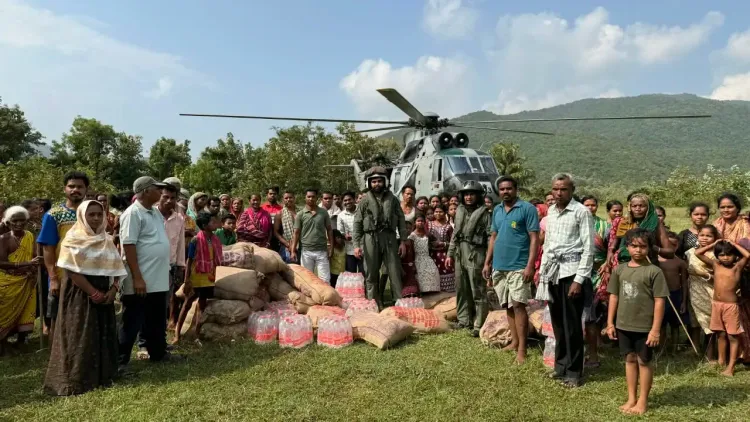
Navy helicopters delivered 1,800 kg of supplies — including 1,400 kg of food and 400 litres of drinking water — to the village of Sara Bhimpur .
The Indian Coast Guard rescued 6 people , including two children and an elderly person, from a submerged primary health centre in Ganjam on 29 October .
The Odisha state government says Ganjam ( 42,564 affected), Gajapati ( 30,000 ) and Kandhamal ( 12,000 ) are the worst-hit districts.
A total of more than 84,000 people are affected across 5 districts ; relief camps have been opened for displaced residents.
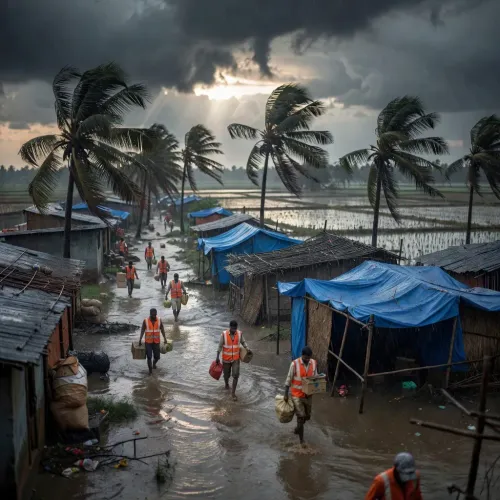
The Indian Navy has launched sustained aerial relief operations across flood-hit Odisha in the aftermath of Cyclone Arnab, delivering critical supplies to villages cut off by waterlogging and damaged road infrastructure. The operations mark the second consecutive day of aerial missions by the Eastern Naval Command as of 1 November 2026.
Aerial Missions and Relief Delivered
Navy Sea King and Advanced Light Helicopter (ALH) aircraft conducted multiple sorties over Ganjam district, airlifting approximately 1,800 kg of relief supplies to the flood-stricken village of Sara Bhimpur. The consignment comprised around 1,400 kg of food items and 400 litres of drinking water.
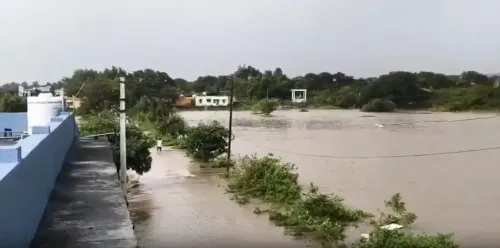
With extensive waterlogging and broken road links rendering the village inaccessible, helicopter-borne delivery was the only viable means of reaching stranded residents. Eastern Naval Command confirmed the operations in a post on X, stating it was 'sustaining HADR operations in the aftermath of #CycloneArnab' for the second consecutive day in Ganjam district.
Coast Guard Rescues Six from Submerged Health Centre
The Indian Coast Guard has also been deployed in active rescue missions. On 29 October, an ALH Mk-III helicopter was scrambled from the Coast Guard Air Enclave in Bhubaneswar after authorities alerted the service about an emergency at a flood-hit health centre in Ganjam.
The helicopter crew — operating in adverse weather and difficult conditions — successfully located the inundated primary health centre and evacuated six people, including two women, two children, and one elderly person, airlifting them to safety.
Districts Hit and Scale of Impact
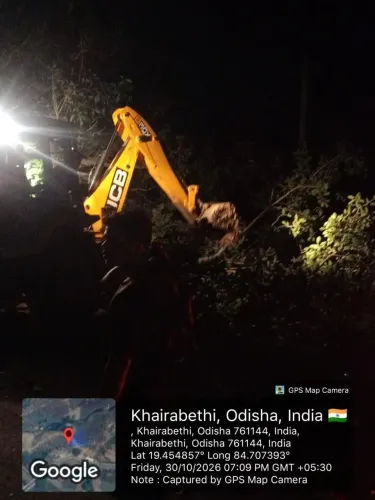
According to the Odisha state government, Ganjam, Gajapati, Kandhamal, Koraput, and Rayagada districts have been significantly affected by Cyclone Arnab. Ganjam has borne the worst of the damage, with 42,564 people affected. Gajapati follows with 30,000 affected, and Kandhamal with 12,000.
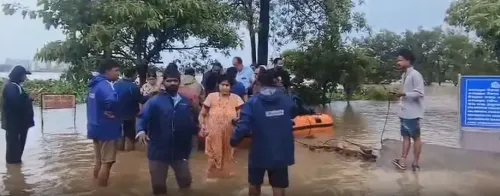
Residents from low-lying and vulnerable zones have been evacuated to safer locations, and relief camps have been opened to accommodate displaced persons. This is among the most significant cyclone-related displacements in Odisha in recent years, a state that has historically borne the brunt of Bay of Bengal cyclones.
Coordination with Local Administration
The Navy has been working in close coordination with district authorities to ensure that food and safe drinking water reach isolated communities as swiftly as possible. The operation underscores the force's Humanitarian Assistance and Disaster Relief (HADR) capabilities — a doctrine that has been sharpened significantly since Cyclone Fani in 2019, when coordination gaps drew criticism.
What Comes Next
Relief operations are expected to continue as long as road connectivity to affected villages remains disrupted. State authorities are assessing the extent of infrastructure damage across the five affected districts, and further aerial sorties are likely as water levels remain high. The focus will increasingly shift from immediate rescue to sustained relief and eventual rehabilitation for the more than 84,000 people affected across Odisha.
Point of View
But the numbers tell a harder story — over 84,000 people affected across five districts, with Ganjam alone accounting for more than half. The aerial delivery of 1,800 kg to a single village is a measure of need, not sufficiency. Odisha has become India's most cyclone-tested state, and its disaster-response machinery is better than it was a decade ago, but the recurring pattern of the same coastal and inland districts being devastated points to a gap in long-term infrastructure resilience that relief operations alone cannot close.
NationPress
1 Nov 2026
Frequently Asked Questions
What is Cyclone Arnab and which parts of Odisha did it affect?
Cyclone Arnab is a recent cyclone that triggered severe flooding across several districts of Odisha. According to the state government, Ganjam, Gajapati, Kandhamal, Koraput, and Rayagada are the most significantly affected districts, with Ganjam being the worst hit.
What relief has the Indian Navy provided in Odisha?
The Indian Navy's Eastern Naval Command conducted aerial relief missions for two consecutive days using Sea King and ALH helicopters. On the second day alone, the Navy delivered approximately 1,800 kg of supplies — including 1,400 kg of food and 400 litres of drinking water — to the village of Sara Bhimpur in Ganjam district.
What did the Indian Coast Guard do during the Cyclone Arnab relief operations?
The Indian Coast Guard rescued six people — including two women, two children, and an elderly person — from a flooded primary health centre in Ganjam district on 29 October. An ALH Mk-III helicopter was deployed from the Coast Guard Air Enclave in Bhubaneswar to carry out the evacuation.
How many people have been affected by Cyclone Arnab in Odisha?
Over 84,000 people have been affected across five districts, according to the state government. Ganjam has the highest number of affected residents at 42,564, followed by Gajapati at 30,000 and Kandhamal at 12,000. Displaced persons have been moved to relief camps.
Why are aerial operations necessary for relief in the affected areas?
Extensive waterlogging and damaged road links have cut off several villages from ground access, making helicopter-borne delivery the only viable way to transport food and drinking water. Navy helicopters have been carrying out multiple sorties to overcome these logistical challenges.