NHRC takes suo motu cognisance of Bharuch chemical factory blast
Synopsis
The NHRC has stepped in after a chemical factory explosion in Gujarat's Bharuch district injured at least 16 workers, issuing notices to top state officials. The intervention puts a spotlight on persistent industrial safety failures in one of India's densest chemical manufacturing corridors — and on whether workers receive any compensation at all.
Key Takeaways
The NHRC took suo motu cognisance of a chemical factory explosion at Jhagadia GIDC, Bharuch that injured at least 16 workers on 23 April 2025 .
Notices issued to the Chief Secretary of Gujarat and Superintendent of Police, Bharuch , with a response deadline of two weeks .
The report must cover injured workers' health status, investigation progress, and compensation details .
Preliminary inquiries reportedly point to technical or chemical factors as the likely cause of the blast.
The NHRC, established under the Protection of Human Rights Act, 1993 , can act suo motu without a formal complaint.
The National Human Rights Commission (NHRC) has taken suo motu cognisance of an explosion and fire at a chemical factory in Gujarat's Bharuch district that left at least 16 workers injured, issuing notices to the state's top officials and seeking a detailed report within two weeks. The apex human rights body acted on a media report, observing that the contents, if true, raise serious issues of human rights violations of the victims.
What the NHRC Has Directed
The Commission has issued notices to the Chief Secretary of Gujarat and the Superintendent of Police, Bharuch, demanding a comprehensive report covering the current health status of the injured workers, the progress of the ongoing investigation, and details of any compensation provided to the victims. The NHRC stated the report must be submitted within two weeks of receipt of the notice.
What Happened at the Jhagadia Factory
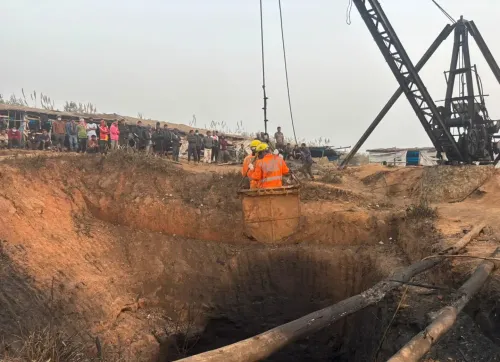
According to media reports, the incident occurred on 23 April at a chemical factory located in the Jhagadia GIDC industrial estate in Bharuch district. Preliminary inquiries reportedly suggested that technical or chemical factors may have triggered the explosion and the subsequent fire. The injured workers were rushed to nearby hospitals for treatment immediately following the blast.
Industrial Safety Concerns in Focus
The incident has reignited concerns about industrial safety standards in Gujarat's chemical belt, a region that hosts a dense concentration of chemical and pharmaceutical manufacturing units. Notably, this is not the first time the Jhagadia GIDC industrial corridor has faced scrutiny over workplace safety. Critics argue that strict adherence to safety protocols and regular third-party audits remain inconsistently enforced across such estates. The blast underscores the vulnerability of contract and daily-wage workers who are often the most exposed to industrial hazards with the least access to compensation mechanisms.
NHRC's Role and Powers
Established under the Protection of Human Rights Act, 1993, the NHRC is an autonomous statutory body mandated to protect and promote rights relating to life, liberty, equality, and the dignity of individuals — as guaranteed by the Constitution and enforceable by courts in India. Crucially, the Commission holds the power to take suo motu action based on media reports or public knowledge, without requiring a formal complaint. This intervention signals the body's intent to hold state authorities accountable for both the immediate welfare of the victims and the broader question of industrial safety compliance.
What Happens Next
Gujarat authorities are now expected to file a detailed response within the stipulated two-week window. The NHRC will examine the report before deciding on further action, which could include recommendations for compensation or directions to strengthen safety oversight. All eyes will be on whether the state government's response addresses not just the immediate incident but the systemic gaps in industrial safety enforcement that such blasts repeatedly expose.
Point of View
But the real accountability test lies ahead. Gujarat's chemical industrial estates have faced recurring safety incidents, yet enforcement gaps persist. The Commission's two-week deadline is a procedural step — what matters is whether the state's response goes beyond a status report to address structural failures in safety audits and worker compensation. For daily-wage workers in India's chemical belt, rights on paper mean little without a mechanism that actually delivers relief.
NationPress
19 Sept 2026
Frequently Asked Questions
Why did the NHRC take suo motu cognisance of the Bharuch factory blast?
The NHRC acted on a media report about the explosion at a chemical factory in Bharuch's Jhagadia GIDC industrial estate on 23 April, which injured at least 16 workers. The Commission observed that the contents, if true, raise serious human rights concerns for the victims.
Who has the NHRC issued notices to?
The NHRC has issued notices to the Chief Secretary of Gujarat and the Superintendent of Police, Bharuch, asking for a detailed report within two weeks covering the injured workers' health, investigation progress, and compensation details.
What caused the Jhagadia GIDC chemical factory explosion?
Preliminary inquiries reportedly suggest that technical or chemical factors may have led to the explosion and fire. A formal investigation is ongoing, and the NHRC has asked for a progress report from authorities.
What is the NHRC and what powers does it have?
The National Human Rights Commission is an autonomous statutory body established under the Protection of Human Rights Act, 1993. It can take suo motu action based on media reports without a formal complaint, and can recommend compensation and direct authorities to address human rights violations.
What happens after the NHRC receives the report from Gujarat authorities?
Once the state submits its report within two weeks, the NHRC will examine it and may issue further directions, including recommendations for compensation to the injured workers or measures to improve industrial safety compliance in the region.