NHRC's Kanoongo alleges fraudulent teacher appointments in UP madrasas
Synopsis
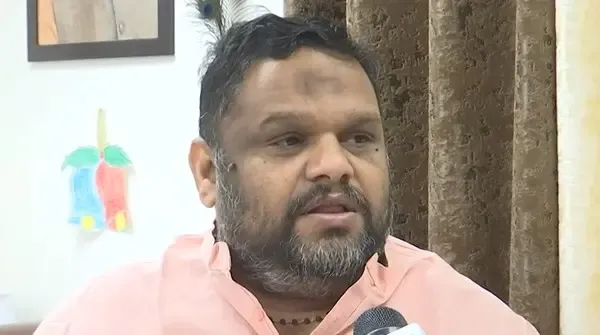
NHRC member Priyank Kanoongo has alleged that 308 unqualified teachers were appointed in UP madrasas during the Covid lockdown, and that one person managed 11 madrasas while teaching in a 12th. The claims come as the Allahabad High Court questions whether the NHRC overstepped its jurisdiction — setting up a landmark battle over children's rights and institutional accountability.
Key Takeaways
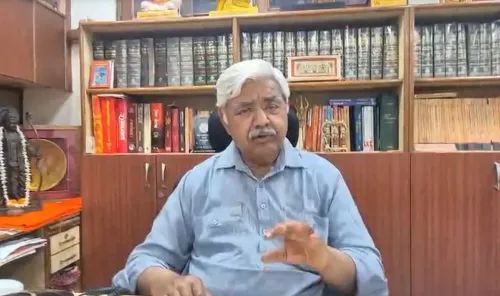
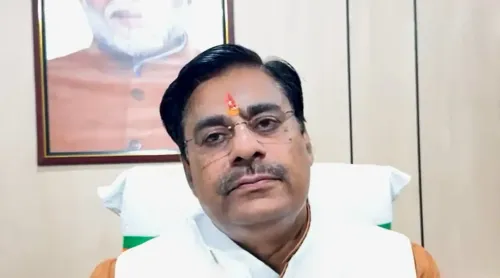
NHRC member Priyank Kanoongo alleged fraudulent teacher appointments in several Uttar Pradesh madrasas on 30 April .
The NHRC received complaints about 500 madrasas from the Uttar Pradesh Madarsa Board .
Kanoongo alleged 308 unqualified teachers were appointed in madrasas during the Covid-19 lockdown .
He claimed one individual is listed as manager of 11 madrasas and teacher in a 12th .
Justice Sreedharan of the Allahabad High Court reportedly questioned whether the NHRC exceeded its jurisdiction by involving the Economic Offences Wing .
Kanoongo maintained that rights are equal for all communities and framed the issue as a children's education rights matter.
National Human Rights Commission (NHRC) member Priyank Kanoongo on 30 April alleged that several madrasas in Uttar Pradesh have made fraudulent teacher appointments, with the NHRC having received complaints about 500 madrasas from the Uttar Pradesh Madarsa Board. Kanoongo also claimed that state-aided madrasas in the state have been enrolling Hindu students, raising questions about the functioning and oversight of these institutions.
Key Allegations Against UP Madrasas
Speaking to news agency IANS, Kanoongo stated that 308 teachers were allegedly appointed in madrasas during the Covid-19 lockdown — individuals he described as unqualified for the role. "We have received complaint that when the entire country was under lockdown during Covid, 308 teachers were appointed in the madrasas, who were not even teachers. This is a clear violation of the rights of those students because fraudulent appointments are being made," he said.
He further alleged that five to six members of the same family are serving as teachers in individual madrasas. In a particularly striking claim, Kanoongo said he possessed data showing that a person listed as the manager of 11 madrasas is simultaneously appointed as a teacher in a 12th madrasa. "This is fraud," he added.
Hindu Students in State-Aided Madrasas
Kanoongo also flagged what he described as an "ironical" situation — the reported enrolment of Hindu students in state-aided madrasas in Uttar Pradesh, stating the NHRC had been receiving such inputs for several days. However, he was careful to frame the issue in rights-based rather than communal terms. "Rights are equal for both the Hindus and Muslims in the country. We will keep fighting for the rights of people," he said.
Allahabad High Court Proceedings
Kanoongo's remarks came against the backdrop of a significant legal development at the Allahabad High Court, where two judges expressed differing opinions while hearing a writ petition challenging an earlier NHRC order. The NHRC had directed an inquiry into alleged financial mismanagement and infrastructure deficiencies across hundreds of madrasas in Uttar Pradesh.
During the hearing, Justice Sreedharan reportedly expressed a prima facie opinion that the NHRC may have exceeded its jurisdiction by involving the Economic Offences Wing in matters that, in his view, did not directly concern human rights violations. The judge reportedly also commented on what he described as the commission's inaction regarding incidents of lynching and vigilante violence against the Muslim community — a charge that adds a contentious dimension to the ongoing legal dispute.
NHRC's Stated Position
Kanoongo explained that the NHRC's standard approach is to seek reports from concerned government agencies on the basis of complaints received. He maintained that the complaints about madrasas are directly related to children's right to education — a fundamental right under the Indian Constitution. This comes amid a broader national debate over the regulation, funding, and transparency of madrasa education, particularly in states where these institutions receive government aid.
The divergence of judicial opinion at the Allahabad High Court means the matter may be referred to a larger bench, with the outcome potentially setting a precedent for how the NHRC can exercise its powers in education-related human rights cases.
Point of View
If verified, represent a textbook violation of children's right to quality education. The enrolment of Hindu students in state-aided madrasas, meanwhile, is a governance anomaly that deserves scrutiny on administrative grounds, not communal ones. The Allahabad High Court's split opinion signals this dispute is far from settled.
NationPress
26 Sept 2026
Frequently Asked Questions
What did NHRC member Priyank Kanoongo allege about UP madrasas?
Kanoongo alleged that several madrasas in Uttar Pradesh made fraudulent teacher appointments, including 308 unqualified hires during the Covid-19 lockdown. He also claimed that one individual is listed as manager of 11 madrasas while serving as a teacher in a 12th, and that Hindu students have been enrolled in state-aided madrasas.
How many madrasas are under NHRC scrutiny in Uttar Pradesh?
The NHRC received complaints about 500 madrasas from the Uttar Pradesh Madarsa Board. The commission had earlier directed an inquiry into alleged financial mismanagement and infrastructure deficiencies across hundreds of these institutions.
Why did the Allahabad High Court question the NHRC's actions?
Justice Sreedharan reportedly expressed a prima facie opinion that the NHRC exceeded its jurisdiction by involving the Economic Offences Wing in the madrasa inquiry, suggesting those matters did not directly involve human rights. Two judges on the bench differed in their opinions, indicating the case may be referred to a larger bench.
What is the NHRC's justification for its madrasa inquiry?
NHRC member Kanoongo stated that the complaints are directly linked to children's right to education, a fundamental right under the Indian Constitution. He said the commission's standard approach is to seek reports from concerned government agencies based on complaints received.
Did Kanoongo frame the madrasa issue in religious terms?
No. Kanoongo explicitly urged that the fight for rights should not be viewed through a religious lens, stating that rights are equal for both Hindus and Muslims. He framed the issue as one of children's educational rights rather than a communal matter.