Odisha CM announces free textbooks for Class 9-10, scraps OCS attempt cap
Synopsis
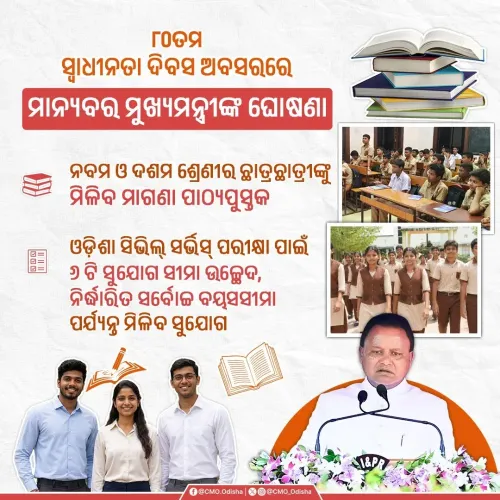
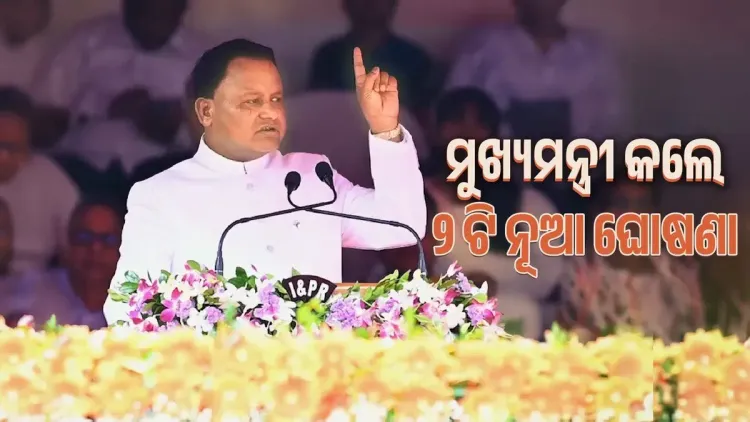
On Independence Day 2026, Odisha CM Mohan Charan Majhi announced free textbooks for Class 9 and 10 students and scrapped the six-attempt ceiling on the Odisha Civil Services Examination, widening access to education and public employment for youth across the state.
Key Takeaways
Independence Day, August 15, 2026 : Odisha CM Mohan Charan Majhi made two major education and recruitment announcements.
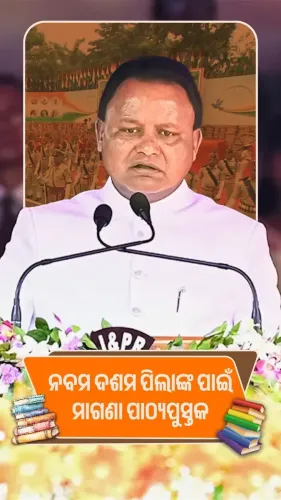
Free government textbooks will now be provided to students in Class 9 and Class 10 , extending an existing subsidy beyond primary grades.
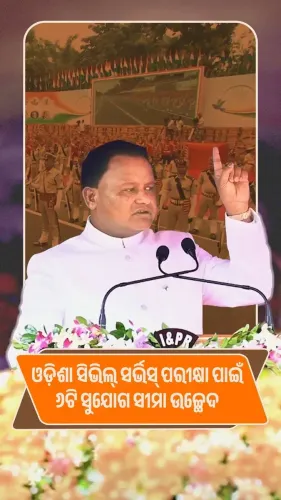
The cap of six attempts in the Odisha Civil Services (OCS) Examination has been abolished; candidates may now attempt the exam until they reach the upper age limit.
Both measures are aimed at reducing financial and structural barriers for students and civil services aspirants from lower-income backgrounds.
Formal government orders detailing implementation of both schemes are yet to be notified.
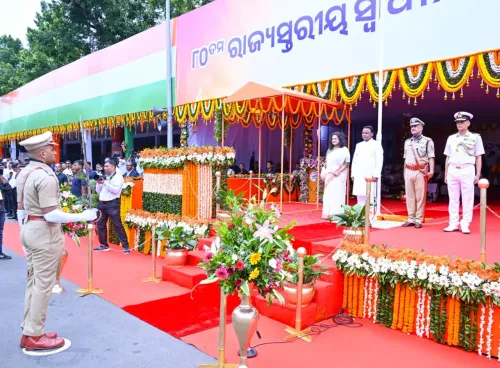
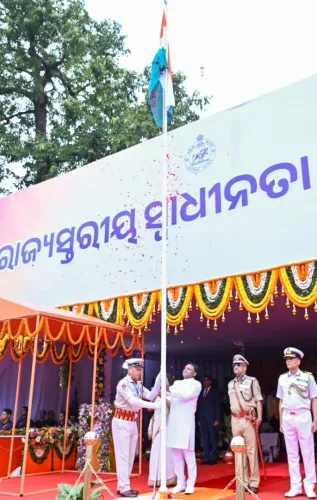
On Independence Day, August 15, 2026, Odisha Chief Minister Mohan Charan Majhi turned the national holiday into a policy moment — announcing two student-facing reforms that directly expand access to education and public employment for millions of young Odias.
The Chief Minister's Office of Odisha shared the announcement on X, stating in Odia: 'ସ୍ୱାଧୀନତା ଦିବସ କେବଳ ଅତୀତର ଗୌରବକୁ ସ୍ମରଣ କରିବାର ଦିନ ନୁହେଁ' — 'Independence Day is not merely a day to remember the glory of the past; it is a symbol of the unwavering resolve to build the India of the future and a developed Odisha.' Two concrete steps followed that resolve.
Free textbooks reach Class 9 and 10 for the first time
Until now, free government textbooks in Odisha were available to students only up to the primary and upper-primary levels. CM Majhi's Independence Day declaration extends that cover to Class 9 and Class 10 — the two years that lead directly to the high-stakes board examinations. For families in low-income households, the cost of secondary textbooks is a recurring pressure point; removing it signals a deliberate push to reduce dropout risk at a critical academic juncture.
Indian states have periodically widened textbook subsidy programmes, but the extension to secondary grades is significant because Class 9 and 10 carry the weight of board certification — the credential that opens doors to higher education and formal employment. The Government of Odisha frames the move as equal opportunity in education, a commitment the CMO described as 'another milestone in the people's government's firm dedication to the progress of every family.'
The six-attempt ceiling on OCS — gone
The second announcement carries equal weight for a different constituency: civil services aspirants. The Odisha Civil Services (OCS) Examination previously capped the number of attempts a candidate could make at six. That ceiling has now been abolished. Under the revised rule, any eligible candidate may appear in the exam as many times as they wish, right up to the prescribed upper age limit.
The change is significant in practice. Many serious aspirants — particularly those from rural areas or weaker economic backgrounds who lack access to coaching infrastructure — need multiple attempts to clear a competitive state civil services exam. A hard attempt cap effectively penalised late starters and those who could not afford intensive preparation early. Removing it levels the field without changing the merit standard of the exam itself.
Across India, states have periodically revisited attempt limits in state public service commission exams, often in response to sustained pressure from aspirant communities. Odisha's move places it among states that have chosen breadth of access over administrative convenience.
What Odisha's youth will be watching next
Both announcements were made from the Independence Day platform — a deliberate choice that gives them political weight and public visibility. The next concrete steps will be the issuance of formal government orders detailing the textbook distribution mechanism for Classes 9 and 10 and the amended OCS rules specifying the revised attempt framework. Until those orders are notified, implementation timelines remain to be formalised.
For CM Majhi, who has led the state BJP government since 2024, the twin announcements on a national holiday are a signal: that Odisha's development agenda will be measured not just in infrastructure or GDP, but in whether a student from a village can keep her textbooks and whether a civil services aspirant from a small town gets one more shot at the exam. That is the bet being placed today.
Point of View
A demographic that has swung state elections before. Extending free textbooks to secondary grades is incrementally significant but fits a longer national pattern of states competing on education-access metrics. Together, the announcements let the Majhi government claim a 'developed Odisha' narrative with concrete, verifiable deliverables — provided the government orders follow swiftly and implementation holds.
NationPress
16 Aug 2026
Frequently Asked Questions
Which classes will get free textbooks in Odisha after the new announcement?
Class 9 and Class 10 students in Odisha will now receive free textbooks, following CM Mohan Charan Majhi's Independence Day 2026 announcement that extends the existing subsidy beyond primary and upper-primary grades.
What was the attempt limit for the Odisha Civil Services Examination before it was removed?
The Odisha Civil Services Examination previously had a cap of six attempts. CM Majhi announced on August 15, 2026 that this ceiling has been abolished, allowing eligible candidates to appear until they reach the upper age limit.
When did Odisha announce free textbooks for Class 9 and 10?
The announcement was made on Independence Day, August 15, 2026 , by Chief Minister Mohan Charan Majhi as part of his address marking the national holiday.
Who is the Chief Minister of Odisha in 2026?
Mohan Charan Majhi is the Chief Minister of Odisha, leading the state BJP government since 2024.
How does removing the OCS attempt cap benefit aspirants?
Removing the six-attempt ceiling means candidates can sit the Odisha Civil Services Examination as many times as needed until they hit the upper age limit, giving those from rural or economically weaker backgrounds — who may need more preparation time — a fairer shot at clearing the exam.