Operation Sindoor row disrupts Himachal Assembly, BJP demands expunction of Negi's remarks
Synopsis
The Himachal Pradesh Assembly descended into chaos on Thursday after BJP alleged that Revenue Minister Jagat Singh Negi made objectionable remarks about Operation Sindoor and Rafale jets. With sloganeering from both sides forcing a 10-minute adjournment, the episode shows how a national security flashpoint is now routinely disrupting state legislative business — even as the government scrambled to introduce 13 bills before the Winter session ran out of time.
Key Takeaways
The Himachal Pradesh Assembly in Dharamsala was adjourned for 10 minutes on 19 November 2026 after a clash over Operation Sindoor remarks.
Leader of Opposition Jai Ram Thakur demanded expunction of Revenue Minister Jagat Singh Negi's remarks on Rafale jets and Operation Sindoor .
BJP and Congress members traded slogans on the floor, prompting the Deputy Speaker to adjourn proceedings.
Chief Minister Sukhvinder Singh Sukhu warned the session may have to be extended by two days if 13 bills were not introduced.
After the Opposition relented, all 13 bills were introduced, including the Himachal Pradesh Investment Promotion and Facilitation Bill, 2026 .
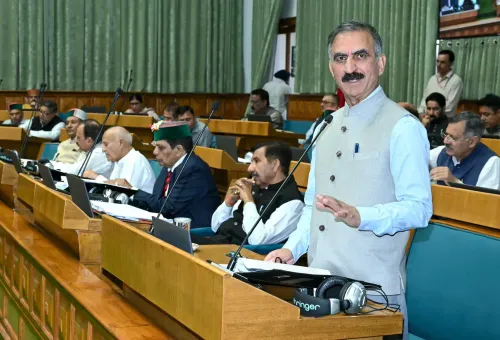
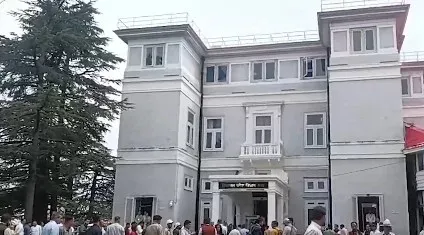
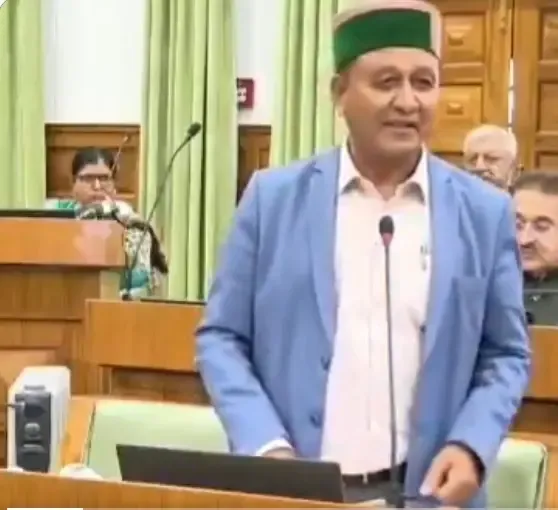
The Himachal Pradesh Assembly in Dharamsala was thrown into turmoil on Thursday, 19 November 2026, after Bharatiya Janata Party (BJP) members alleged that Revenue Minister Jagat Singh Negi had made controversial remarks about Operation Sindoor and Rafale fighter jets during Wednesday's proceedings. The uproar forced Sanjay Rattan, who was chairing the House in the absence of Speaker Kuldeep Pathania, to adjourn proceedings for 10 minutes.
How the confrontation unfolded
Leader of Opposition (LoP) and former Chief Minister Jai Ram Thakur triggered the standoff by demanding that Negi's remarks be expunged from the Assembly record. Thakur argued that comments that could be construed as critical of the armed forces had no place in the House and questioned the Indian National Congress (Congress) government's judgement on the matter.
Responding to those allegations, Negi asserted that his party had framed the Constitution and was well-versed in its provisions. He accused the Opposition of stifling debate and preventing legislators from speaking. Negi also invoked past parliamentary questions on the Rafale deal and raised the Galwan Valley standoff, widening the scope of the confrontation.
Sloganeering and adjournment
As BJP members rose from their seats and began raising slogans, Congress legislators responded with counter-sloganeering, sharply escalating tensions on the floor. Despite repeated appeals from Rattan to both sides to maintain order, the din continued unchecked. With the situation remaining unresolvable, the Deputy Speaker eventually adjourned the proceedings for 10 minutes to allow tempers to cool.
Sukhu's legislative agenda under pressure
Before the disorder broke out, Chief Minister Sukhvinder Singh Sukhu had urged the House to prioritise legislative business, noting that 13 important bills were scheduled for introduction and passage during the session. Sukhu warned that failure to complete the agenda could necessitate extending the session by two more days. He suggested introducing the bills first, after which the discussion under Rule 67 — the adjournment motion debate — could resume.
LoP Thakur initially pushed back, insisting that established parliamentary procedure should be followed and that no fresh business should be taken up while the Rule 67 discussion was already underway. He also noted that Thursday was Private Members' Day, on which other legislative business is conventionally not transacted. Thakur added that some members, reportedly including those from the ruling Congress, had expressed concern that the session had been convened earlier than usual.
Following a fresh appeal by the Chief Minister, the Opposition ultimately relented and allowed the state government to introduce its bills. State Parliamentary Affairs Minister Harshvardhan Chauhan also appealed for the same, stressing the importance of legislative business. All 13 bills were subsequently introduced, paving the way for substantive proceedings during the Winter session.
Investment promotion bill introduced
Among the bills tabled was the Himachal Pradesh Investment Promotion and Facilitation Bill, 2026, introduced by Industries Minister Harshwardhan Chauhan. The proposed legislation seeks to create an investor-friendly ecosystem through time-bound clearances, a land bank, digital approvals, and reduced compliance requirements, with the broader aim of attracting investment, accelerating industrial development, and generating employment for the state's youth. The bill also emphasises balanced, sustainable, and green industrialisation.
Sukhu separately highlighted the significance of other proposed legislation, including a bill related to state assets and another concerning the rights of widows, underscoring the breadth of the government's Winter session agenda.
Political context
The clash over Operation Sindoor fits a broader national pattern in which the defence operation has become a flashpoint between the BJP and Congress in multiple state legislatures and in Parliament itself. This is at least the second state assembly this month to witness disruption over the issue. The row in Dharamsala illustrates how national security debates continue to spill into state-level legislative business, often at the cost of routine governance — in this case, delaying the introduction of bills that the state government itself described as urgent.
Point of View
Forcing Congress legislators — who may hold legitimate constitutional questions — onto the defensive over perceptions of disloyalty to the armed forces. What is striking here is not the row itself but its cost: a legislative session carrying 13 bills, including measures on widows' rights and state investment, was nearly derailed by a procedural standoff over remarks from the previous day's sitting. If state assemblies continue to be consumed by nationally charged political theatre, urgent state-level governance suffers the most — and voters rarely get the accounting they deserve for it.
NationPress
19 Nov 2026
Frequently Asked Questions
What triggered the uproar in the Himachal Pradesh Assembly on 19 November 2026?
The uproar was triggered after Leader of Opposition Jai Ram Thakur alleged that Revenue Minister Jagat Singh Negi had made remarks about Rafale fighter jets and Operation Sindoor during Wednesday's Assembly proceedings. Thakur demanded that Negi's remarks be expunged from the record, sparking a sloganeering match between BJP and Congress members.
What did BJP demand regarding Jagat Singh Negi's remarks?
BJP demanded that Negi's remarks concerning Operation Sindoor and Rafale jets be expunged from the Assembly record. Leader of Opposition Jai Ram Thakur argued that comments critical of the armed forces should not be made in the House and questioned the Congress government's judgement on the matter.
How did the Congress government respond to the disruption?
Revenue Minister Jagat Singh Negi defended himself by saying Congress had framed the Constitution and was well-versed in its provisions. Chief Minister Sukhvinder Singh Sukhu focused on restoring order and urged the House to allow 13 bills to be introduced, warning that the session might need to be extended by two days otherwise.
Were the 13 bills eventually introduced despite the disruption?
Yes. After Chief Minister Sukhu appealed to the Opposition and they agreed, all 13 bills were introduced in the House during the Winter session. These included the Himachal Pradesh Investment Promotion and Facilitation Bill, 2026, as well as legislation on state assets and widows' rights.
What is the Himachal Pradesh Investment Promotion and Facilitation Bill, 2026?
It is a bill introduced by Industries Minister Harshwardhan Chauhan that proposes a comprehensive framework to attract investment, accelerate industrial development, and simplify regulatory approvals. It features time-bound clearances, a land bank, digital approvals, and reduced compliance requirements, with a focus on green and sustainable industrialisation.