Bihar PhD scholars' march to Lok Bhawan blocked by Patna police on Day 18
Synopsis
PhD holders and research scholars in Patna were stopped by police on Day 18 of their indefinite protest as they marched toward Lok Bhawan, Bihar's seat of power. With convener Kumud Patel on hunger strike and demands spanning UGC norm implementation, age-limit revision, and guest faculty regularisation, the agitation is shaping up as a defining test of the Bihar government's commitment to higher education reform.
Key Takeaways
Patna police blocked PhD holders and research scholars from marching to Lok Bhawan on 22 August , erecting barricades near the R-Block area .
The indefinite protest at Gardanibagh entered its 18th day , led by the All PhD Holders and Research Scholars Association of Bihar .
Association Convener Kumud Patel has been on an indefinite hunger strike , demanding systemic higher education reforms — not just limited recruitments.
Key demands include implementation of UGC Regulations, 2018 , raising the Assistant Professor age limit from 43 to 55 years , and regularisation of long-serving guest faculty .
Protesters say the agitation will continue until the Bihar government takes concrete action on their demands.
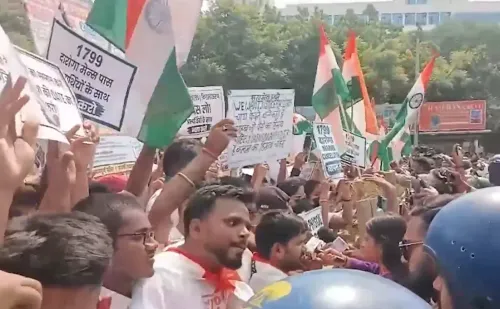
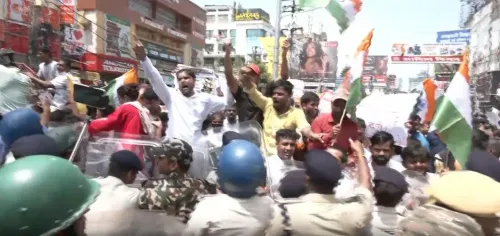
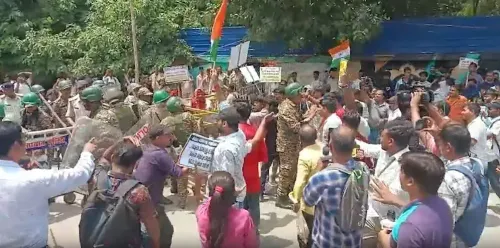
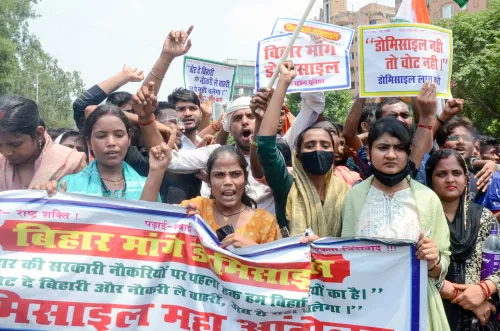
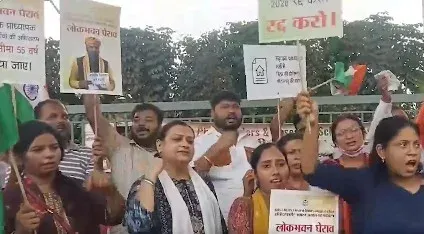
Police in Patna on Saturday, 22 August stopped hundreds of PhD holders and research scholars from marching towards the Lok Bhawan — the seat of Bihar's state government — as their 18-day-old indefinite protest at Gardanibagh escalated into a direct confrontation with authorities. Barricades were erected near the R-Block area to prevent the demonstrators from proceeding further.
What Happened on the Ground
The protesters, carrying the Tricolour, attempted to march from their protest site but were intercepted by police personnel who had been deployed in advance. When demonstrators tried to cross the barricades, officers intervened and halted the procession before it could reach Lok Bhawan. No injuries were immediately reported.
Who Is Protesting and Why
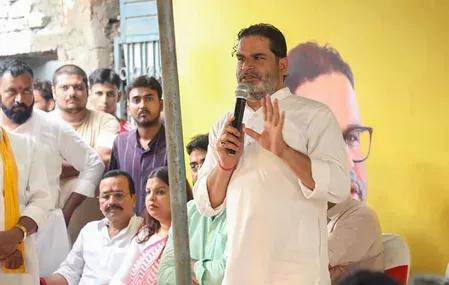
The agitation is being led by the All PhD Holders and Research Scholars Association of Bihar, which has been staging an indefinite dharna at Gardanibagh for over two and a half weeks. Association Convener Kumud Patel, who has been on an indefinite hunger strike, said the movement goes well beyond recruitment to a limited number of posts. According to Patel, the protesters are seeking broader reforms across Bihar's higher education system, including employment opportunities and the rights and dignity of research scholars. 'The struggle is about determining the future direction of higher education in Bihar and ensuring better opportunities for the coming generations,' Patel said.
Key Demands of the Association
The association has outlined a detailed set of demands directed at the state government. These include the implementation of UGC Regulations, 2018, along with Table 3A, in the recruitment process for Assistant Professors. The protesters are also calling for an increase in the upper age limit for Assistant Professor recruitment from 43 to 55 years, and a fair policy for the service integration and regularisation of long-serving guest faculty.
Additional demands include a clear and legally sustainable domicile policy for Assistant Professor recruitment in Bihar, regular and time-bound recruitment to permanent posts across state universities, and the protection of academic autonomy in universities and colleges. The association maintains that these measures are essential to improve the recruitment system and strengthen Bihar's higher education sector as a whole.
Broader Stakes for Bihar's Higher Education
The protest reflects a wider crisis in Bihar's academic employment landscape, where thousands of qualified researchers and PhD graduates face prolonged uncertainty over permanent positions. This is not the first time that higher education reform has triggered large-scale agitation in the state; similar protests over guest faculty regularisation and UGC norm implementation have surfaced periodically over the past decade. Notably, the demand to raise the age limit to 55 years signals that many scholars have spent years — even decades — in the pipeline without securing permanent academic roles.
What Happens Next
The association has made clear that the agitation will continue until the state government takes concrete steps to address their demands. Patel appealed to all those who support education, employment, and justice to join the movement. With the protest now entering its third week and a convener on hunger strike, pressure on the Bihar government is likely to intensify in the days ahead.
Point of View
But with a convener on hunger strike and the Tricolour on the streets, that calculation is becoming harder to sustain. The real question is whether this protest forces a policy shift or gets managed through procedural delays, as similar agitations have been in the past.
NationPress
6 Oct 2026
Frequently Asked Questions
Why are PhD holders protesting in Patna?
PhD holders and research scholars affiliated with the All PhD Holders and Research Scholars Association of Bihar have been staging an indefinite protest at Gardanibagh in Patna for 18 days, demanding broader reforms in Bihar's higher education system — including UGC Regulations 2018 implementation, age-limit revision for Assistant Professor recruitment, guest faculty regularisation, and a clear domicile policy.
What happened when protesters marched to Lok Bhawan on 22 August?
Police deployed personnel in advance and erected barricades near the R-Block area in Patna, stopping the protesters from reaching Lok Bhawan. When demonstrators attempted to cross the barricades, officers intervened and halted the march.
Who is leading the protest and what is the hunger strike about?
Association Convener Kumud Patel is leading the agitation and has been on an indefinite hunger strike. Patel has stated that the movement is about determining the future direction of higher education in Bihar and securing better opportunities for coming generations — not just filling a limited number of posts.
What are the specific demands of the PhD holders' association?
The association's demands include implementation of UGC Regulations 2018 with Table 3A, raising the Assistant Professor recruitment age limit from 43 to 55 years, regularisation of long-serving guest faculty, a legally sustainable domicile policy, time-bound permanent recruitment in state universities, and protection of academic autonomy.
Will the protest continue?
Yes. The association has stated clearly that the agitation will not end until the Bihar government takes concrete steps to address their demands. With the protest in its 18th day and the convener on hunger strike, demonstrators have appealed to the public to join the movement.