Petroleum Minister Puri pays tribute to 26/11 Mumbai victims
Synopsis
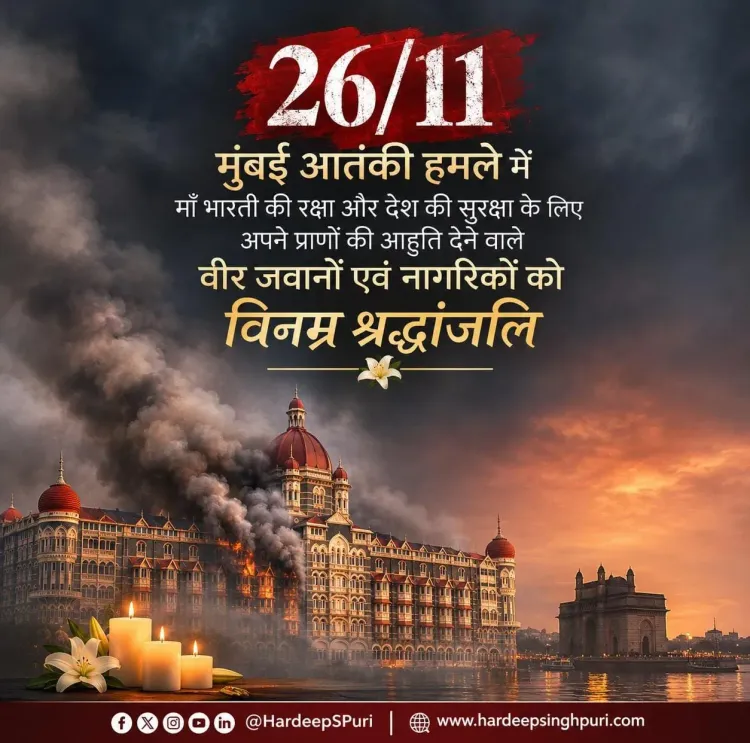
Union Petroleum Minister Hardeep Singh Puri remembered 26/11 Mumbai victims and the NSG, police and Armed Forces personnel who died stopping the 2008 siege. He called terrorism an attack on humanity and the Right to Life, and said perpetrators and those who shelter them must face the strongest action.
Key Takeaways
Union Petroleum Minister Hardeep Singh Puri on 26 November 2026 remembered the victims of the 26/11 Mumbai terror attacks.
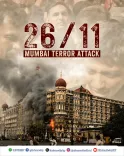
The Lashkar-e-Taiba assault from 26 to 29 November 2008 killed 166 people, including civilians and security personnel.
He paid respects to the Armed Forces, police and NSG commandos who confronted the attackers.
The National Security Guard, raised in 1984, led the final assault on the Taj Mahal Palace and Oberoi Trident hotels.
He said those who perpetrate terror and those who shelter terrorist organisations must face the strongest possible action.
The attacks led to the creation of the National Investigation Agency in 2009 and reforms in coastal security.
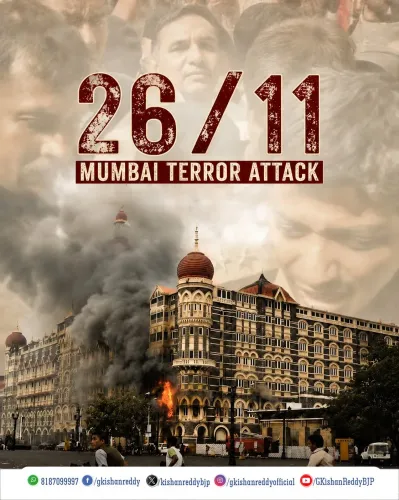
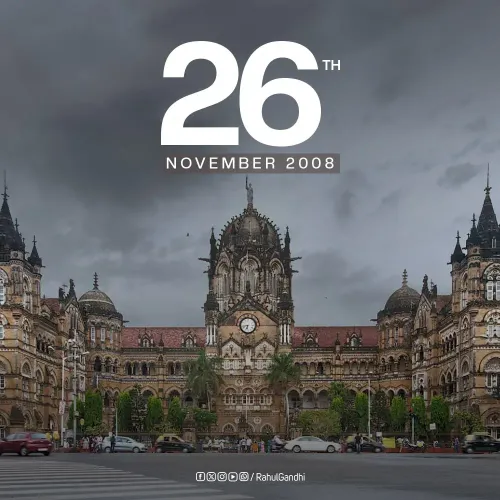
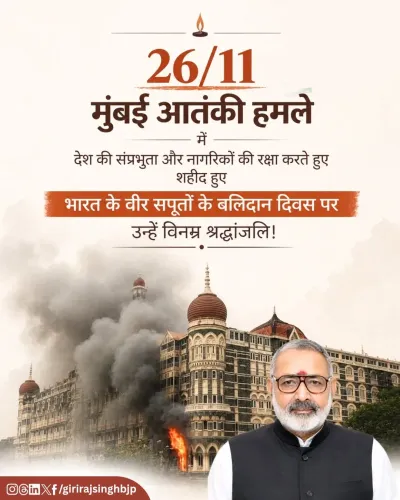
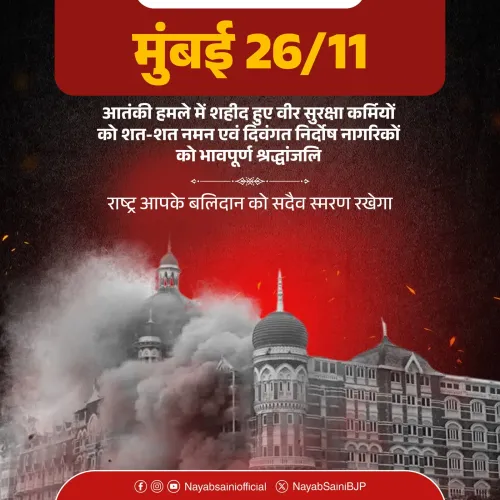
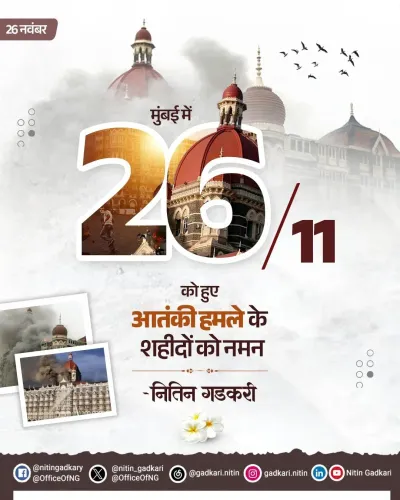
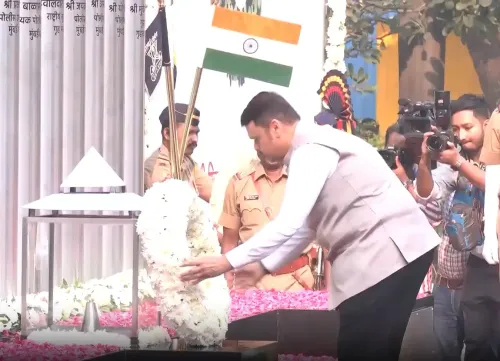
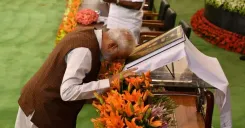
Eighteen years after militants struck multiple sites across Mumbai, the date still stops the country. On 26 November 2026, Union Petroleum Minister Hardeep Singh Puri joined that national pause, remembering the innocent victims of the 26/11 terror attacks and the Armed Forces, police and NSG commandos who laid down their lives confronting them.
166 killed in the 2008 Mumbai siege
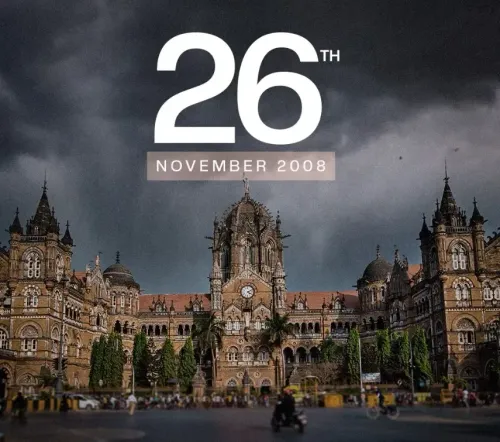
The assault, carried out by Lashkar-e-Taiba militants, ran from 26 to 29 November 2008 and killed 166 people, among them civilians and security personnel. Mr Puri said he joined the nation in remembering those innocent victims.
He paid respects to ‘the brave men and women of our Armed Forces, Police and the NSG commandos who confronted terror with unmatched courage and laid down their lives to protect our people and our nation.’
NSG commandos at the Taj and Oberoi
The National Security Guard, India's federal counter-terrorism force raised in 1984, led the final assault on the Taj Mahal Palace and Oberoi Trident hotels. Police and Armed Forces units fought the gunmen at other locations across the city.
Each year on 26 November, Indian ministers and leaders recall those operations and restate a policy of zero tolerance toward terrorism and toward groups and states that harbour it.
Strongest action against those who shelter terror
Terrorism in any form, anywhere in the world, is an attack on humanity itself, Mr Puri wrote. He said he has always maintained that those who perpetrate acts of terror and those who support and shelter terrorist organisations must face the strongest possible action.
‘At its very core, terrorism robs innocent people of their most fundamental and precious human right, the Right to Life,’ he said. The 2008 attacks also recast India's internal security map: they led to the creation of the National Investigation Agency in 2009 and to major reforms in coastal security and intelligence coordination.
The country, he added, owes it to the victims, their families and the martyrs never to forget their sacrifice and to remain unwavering in the collective resolve to fight terrorism. Remembrance on this date is not a ritual of the calendar. It is a standing order: do not forget, and do not look away from those who arm and shelter the killers.
Point of View
Not only of gunmen. Linking the attacks to the Right to Life frames counter-terrorism as a human-rights claim rather than only a security slogan. Watch whether the same language reappears at multilateral forums in the weeks around the anniversary.
NationPress
26 Nov 2026
Frequently Asked Questions
What did Hardeep Singh Puri say on the 26/11 anniversary?
He remembered the innocent victims of the 26/11 Mumbai terror attacks and paid respects to Armed Forces, police and NSG commandos who laid down their lives. He called terrorism an attack on humanity and on the Right to Life, and said perpetrators and those who shelter them must face the strongest possible action.
When did the 26/11 Mumbai terror attacks take place?
The coordinated attacks ran from 26 to 29 November 2008. Lashkar-e-Taiba militants struck multiple sites in Mumbai.
How many people were killed in the 26/11 attacks?
The attacks killed 166 people, including civilians and security personnel. The siege lasted three days across multiple locations in the city.
What is the NSG and what did it do during 26/11?
The National Security Guard is India's federal counter-terrorism force, raised in 1984. It led the final assault on the Taj Mahal Palace and Oberoi Trident hotels.
What security changes followed the 26/11 attacks?
India created the National Investigation Agency in 2009 and carried out major reforms in coastal security and intelligence coordination. Annual political statements on 26 November typically restate a zero-tolerance line toward terrorism and its sponsors.