PIB fact-check debunks fake ₹12.50/litre petrol, diesel hike claim
Synopsis
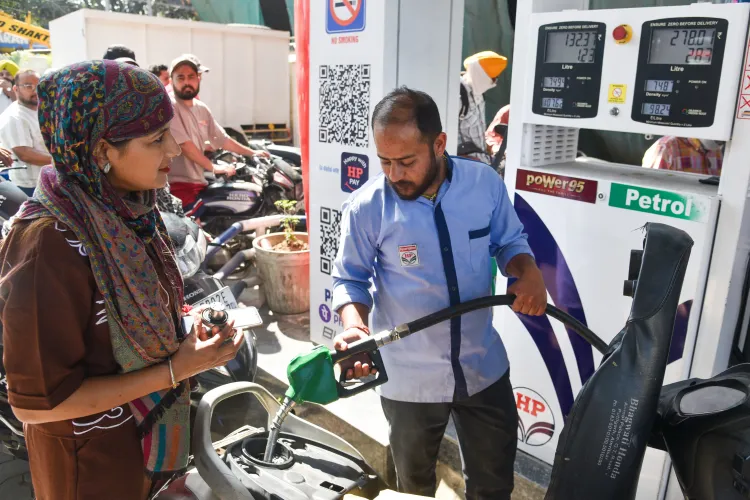
A fake government notification claiming a ₹12.50/litre fuel price hike went viral — and the PIB moved fast to kill it. With West Asia tensions rattling global oil markets, the misinformation found a ready audience. But the government says prices are unchanged, supplies are adequate, and there is no proposal on the table to raise rates.
Key Takeaways
PIB Fact Check on 29 April declared fake a viral message claiming petrol and diesel prices were hiked by up to ₹12.50 per litre .
The Ministry of Petroleum and Natural Gas (MoPNG) confirmed no such order has been issued by the Government of India.
Sujata Sharma , Joint Secretary, MoPNG, stated on 28 April that fuel prices will remain unchanged for now.
The government has ensured 100 per cent supply for domestic LPG , PNG , and CNG consumers.
The fake message spread amid heightened volatility in global oil markets due to West Asia geopolitical tensions.
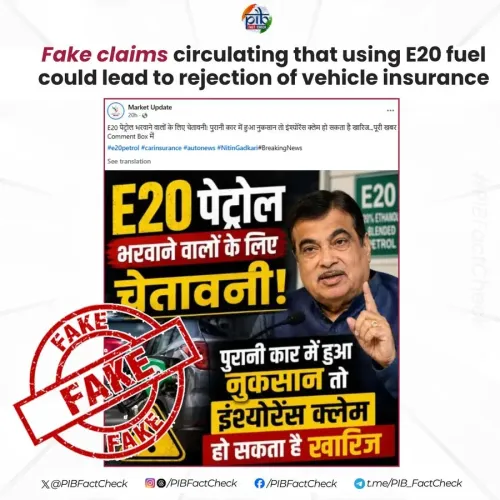
The Press Information Bureau (PIB) Fact Check unit on Wednesday, 29 April dismissed as fake a viral social media message claiming that petrol and diesel prices had been hiked by up to ₹12.50 per litre. The Ministry of Petroleum and Natural Gas (MoPNG) has issued no such order, the PIB confirmed, urging citizens to rely only on official sources.
What the Fake Message Claimed
A purported government notification circulating widely on social media platforms suggested a sharp increase in retail fuel prices. The message appeared designed to mimic an official government order, prompting widespread concern among consumers. The PIB Fact Check unit moved swiftly to counter the misinformation.
"An order circulating on social media claiming fuel price hikes is fake. The Government of India has not issued any such order," the PIB Fact Check stated in a post on X (formerly Twitter). The unit also urged citizens to verify such claims only through official government channels and refrain from sharing unverified information.
Government's Official Position on Fuel Prices
The clarification follows a formal reassurance issued a day earlier. On Tuesday, 28 April, Sujata Sharma, Joint Secretary in the Ministry of Petroleum and Natural Gas, addressed an inter-ministerial briefing in New Delhi, stating that petrol and diesel prices would remain unchanged for now.
"LPG, petroleum and diesel are available in sufficient amounts, and the prices have not increased, so please do not panic," Sharma said. She also confirmed that the government has ensured 100 per cent supply for domestic LPG and PNG consumers, as well as for CNG used in transportation. A senior government official separately confirmed there is no proposal at present to increase retail fuel prices.
Why the Fake Message Spread Now
The timing of the misinformation is significant. Global oil markets have remained volatile in recent weeks due to escalating geopolitical tensions in West Asia, a key oil-producing region. Uncertainty over supply disruptions has already rattled international energy benchmarks, creating fertile ground for fuel-price panic to spread domestically.
This is not the first time fabricated government notifications have circulated during periods of global energy stress. Notably, similar fake orders were flagged by the PIB during earlier episodes of crude oil volatility. The pattern underscores a recurring vulnerability: when global headlines turn alarming, domestic misinformation tends to follow.
What Citizens Should Do
The PIB has advised the public to cross-check any claims about government policy — particularly on sensitive subjects like fuel prices — against official government websites, the MoPNG portal, and verified social media handles. Sharing unverified notifications, even inadvertently, can amplify economic anxiety and erode public trust in legitimate government communications.
With global energy markets still unsettled, authorities are expected to continue monitoring the situation closely and issue further updates if the outlook changes.
Point of View
Transport costs, and household budgets simultaneously, making them a prime target for misinformation during global energy shocks. The PIB Fact Check unit's response was timely, but the deeper question is structural: official communication channels remain reactive rather than pre-emptive. When West Asia tensions escalate, a proactive government advisory — before the fakes go viral — would be far more effective than debunking after millions have already shared the post.
NationPress
19 Sept 2026
Frequently Asked Questions
Is there a petrol and diesel price hike in India in April 2025?
No. The PIB Fact Check unit confirmed on 29 April that no order hiking petrol or diesel prices has been issued by the Government of India. A senior MoPNG official also stated there is no current proposal to raise retail fuel prices.
What did the viral message about fuel prices claim?
The viral social media message, designed to resemble an official government notification, claimed that petrol and diesel prices had been increased by up to ₹12.50 per litre. The PIB has confirmed this message is entirely fake.
What did the Ministry of Petroleum and Natural Gas say about fuel availability?
Joint Secretary Sujata Sharma confirmed at an inter-ministerial briefing on 28 April that LPG, petrol, and diesel are available in sufficient quantities and that the government has ensured 100 per cent supply for domestic LPG, PNG, and CNG consumers.
Why did the fake fuel price hike message spread so widely?
The message circulated amid rising geopolitical tensions in West Asia, which have kept global oil markets volatile. Uncertainty over potential supply disruptions created an environment where consumers were more susceptible to misinformation about domestic fuel prices.
How can citizens verify government announcements on fuel prices?
The PIB has urged citizens to verify such claims only through official government websites, the MoPNG portal, and verified government social media handles, and to avoid sharing unverified notifications.