Pilot Demands FIR After Kharge's Stage 'Purified' in Haldwani
Synopsis
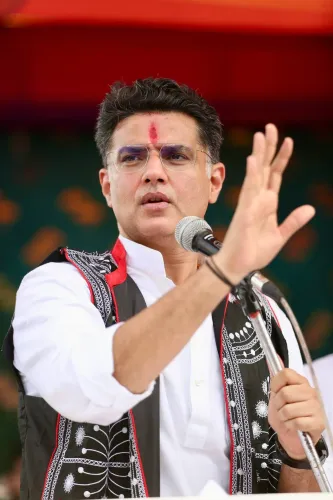
Congress leader Sachin Pilot has condemned the ritual 'purification' of a Haldwani stage after Congress president Mallikarjun Kharge spoke there, calling it a constitutional violation and demanding FIR registration under anti-untouchability laws against those responsible.
Key Takeaways
Individuals allegedly performed a ritual shuddhikaran of a Haldwani stage after Congress president Mallikarjun Kharge addressed a rally there.
Congress leader Sachin Pilot condemned the act on August 13, 2026 , calling it a direct attack on constitutional equality and social justice.
Pilot demanded that a case be registered under applicable legal provisions and strict action taken against the guilty.
Article 17 of the Indian Constitution abolishes untouchability, backed by the Protection of Civil Rights Act, 1955 .
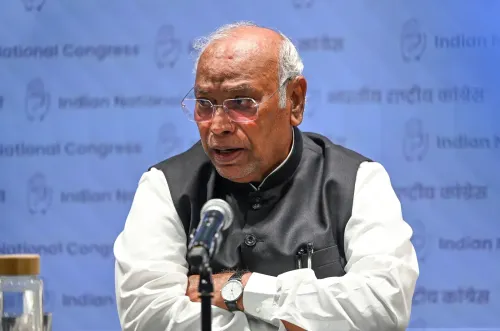
Kharge serves as Leader of the Opposition in the Rajya Sabha and is one of India's most senior Dalit political figures.
The incident adds to a pattern of symbolic caste-based exclusion at public events that periodically surfaces in Indian politics.
A political rally in Haldwani, Uttarakhand, has ignited a national conversation about caste and constitutional rights after individuals reportedly performed a ritual 'purification' of the stage used by Congress president Mallikarjun Kharge — one of India's most senior Dalit leaders. On Thursday, August 13, 2026, Congress leader and Chhattisgarh in-charge Sachin Pilot responded with a sharp public call for criminal action against those responsible.
What Happened at the Haldwani Rally
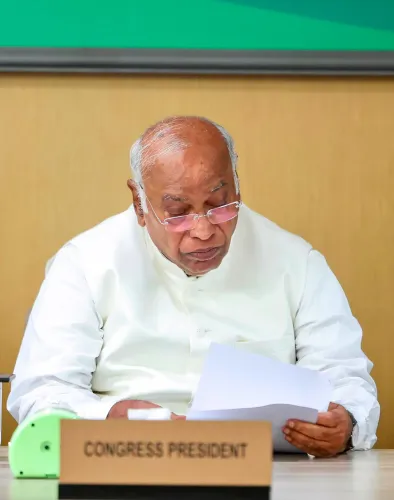
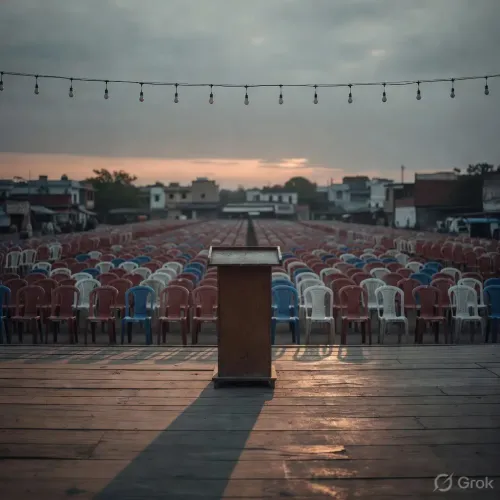
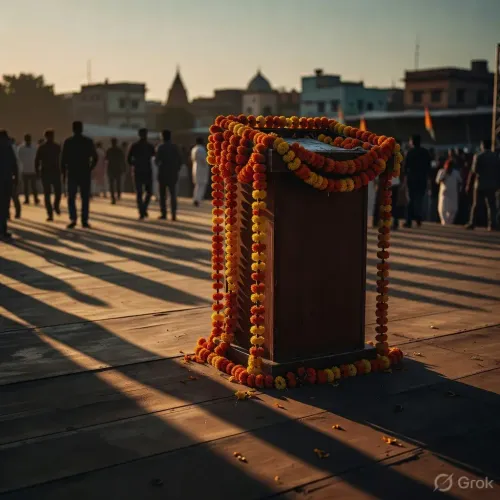
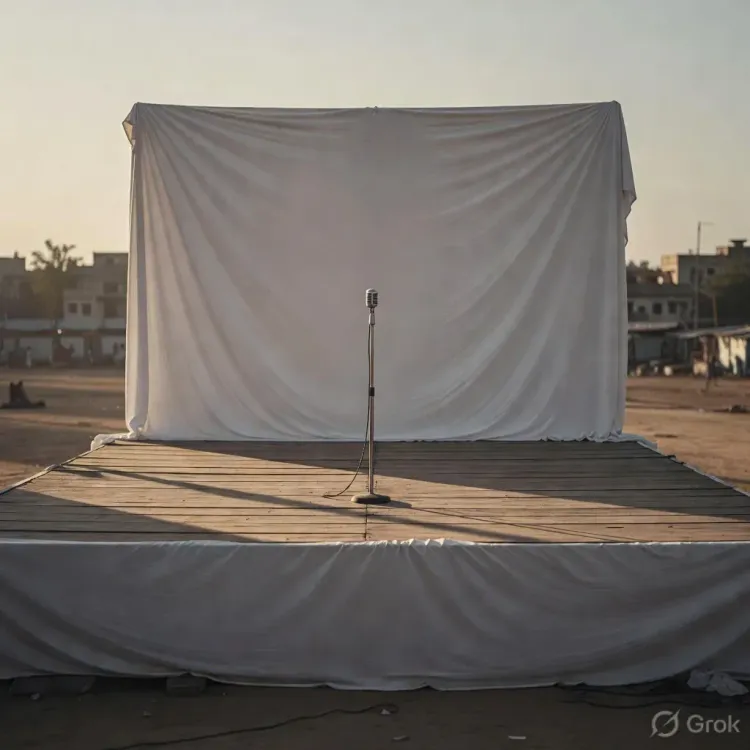
After Kharge addressed a Congress gathering in Haldwani, certain individuals are alleged to have conducted a shuddhikaran — a ritual cleansing — of the very stage from which he had spoken. The act, widely read as a caste-based gesture of exclusion, drew immediate condemnation. Pilot, writing in Hindi, called it not merely an insult to Kharge personally but 'a direct attack on the fundamental spirit of the Constitution and social equality.'
He underscored Kharge's stature — his decades-long political career, his role as Leader of the Opposition in the Rajya Sabha, and his lifelong commitment to constitutional values — making the symbolism of the act all the sharper. 'His long struggle, political life, and dedication to the Constitution are an inspiration for all,' Pilot wrote.
The Constitutional and Legal Stakes
Article 17 of the Indian Constitution, adopted in 1950, abolishes untouchability in any form. The Protection of Civil Rights Act, 1955, backs that guarantee with penal provisions for anyone who enforces disabilities rooted in untouchability. Pilot invoked precisely these frameworks, demanding that a case be registered under applicable legal provisions and that the guilty face 'strict legal action.' His closing line was unambiguous: 'There is no place in this country for caste discrimination and untouchability.'
The incident fits a recurring pattern in Indian public life — symbolic acts of caste-based exclusion targeting leaders from Scheduled Caste backgrounds, each episode exposing the gap between the law on paper and social behaviour on the ground. Haldwani now joins that uncomfortable list.
Kharge's Standing and Why the Symbolism Cuts Deep
Mallikarjun Kharge is not only the Congress president but one of the most prominent Dalit faces in national politics, carrying the weight of a community's aspirations alongside the responsibilities of leading India's principal opposition party. An act of ritual exclusion directed at him — at a public political event, in full view — carries a charge that goes well beyond one individual's dignity. It tests whether constitutional equality means anything in practice.
Eyes now turn to Uttarakhand police and whether an FIR will be registered under anti-untouchability statutes — a move that would signal the state's willingness to enforce a law that has existed for over seven decades.
Point of View
An act of ritual exclusion targeting its own president hands the party a potent rallying point. Pilot's demand for an FIR is as much a legal argument as it is a political one — it forces the Uttarakhand administration to either act under seven-decade-old law or face accusations of complicity. The broader arc here is the persistent tension between India's constitutional framework on caste equality and ground-level social practice, a gap that formal law has never fully closed. How Uttarakhand police respond will be watched as a litmus test for the enforcement of anti-untouchability statutes beyond symbolic condemnation.
NationPress
27 Sept 2026
Frequently Asked Questions
What happened at the Haldwani Congress rally involving Mallikarjun Kharge?
After Congress president Mallikarjun Kharge delivered a speech at a rally in Haldwani, Uttarakhand, certain individuals allegedly performed a ritual 'purification' — or shuddhikaran — of the stage he had used, an act widely condemned as a caste-based gesture of exclusion.
What has Sachin Pilot demanded over the Haldwani incident?
Sachin Pilot has demanded that a formal case be registered against those who performed the stage 'purification' under applicable legal provisions, including anti-untouchability laws, and that strict legal action be taken against the guilty.
Is ritual purification of a stage after a Dalit leader speaks illegal in India?
Yes. Article 17 of the Indian Constitution abolishes untouchability in any form, and the Protection of Civil Rights Act, 1955, makes acts enforcing untouchability-based disabilities a punishable offence.
Who is Mallikarjun Kharge and why is his identity significant in this case?
Mallikarjun Kharge is the president of the Indian National Congress and Leader of the Opposition in the Rajya Sabha. He is one of India's most prominent Dalit political leaders, making an act of ritual exclusion directed at him symbolically and constitutionally significant.
What could happen next after Sachin Pilot's demand for FIR in Haldwani?
Uttarakhand police may register an FIR under the Protection of Civil Rights Act, 1955, and potentially other provisions of law. The case is likely to draw further political attention, including possible debate during the next parliamentary session.