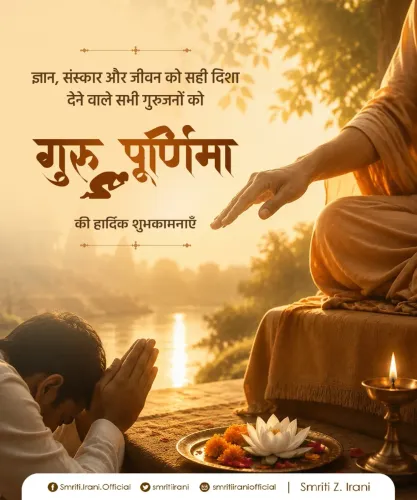
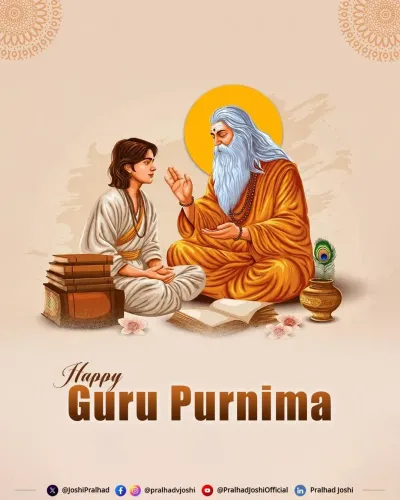
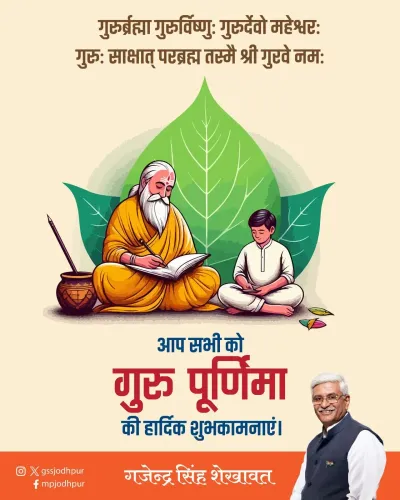
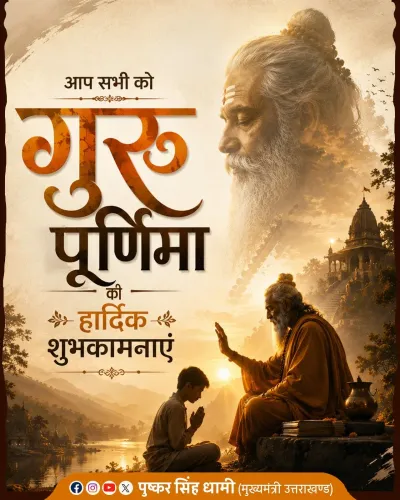
Piyush Goyal greets nation on Guru Purnima 2026
Synopsis
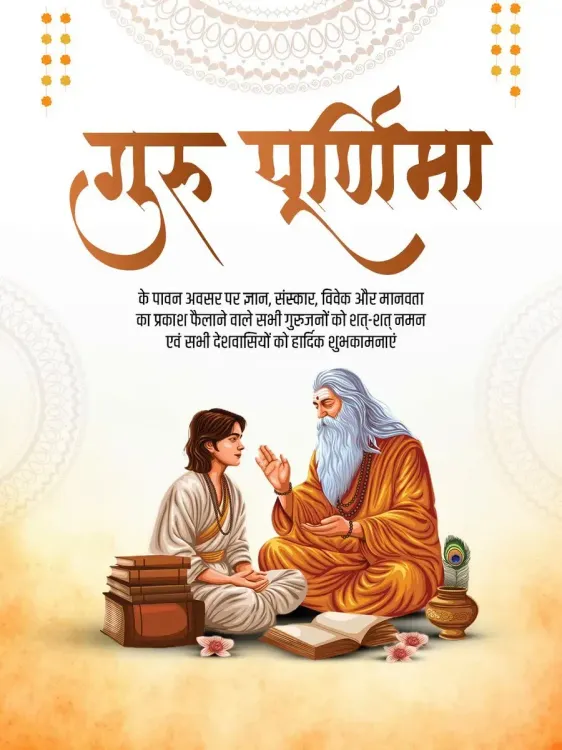
Union Commerce Minister Piyush Goyal marked Guru Purnima 2026 by invoking the classical Sanskrit shloka honouring gurus and extended greetings to teachers and citizens, saying guidance from gurus shapes individuals, strengthens society, and propels the nation forward.
Key Takeaways
Union Commerce and Industry Minister Piyush Goyal posted Guru Purnima greetings on 29 July 2026 .
He opened with the Sanskrit shloka 'Gururbrahmaa Gururvishnuh...' , one of Hinduism's most revered verses on the guru tradition.
Goyal paid tribute to all teachers who inspire 'knowledge, values, wisdom, and humanity.' His message linked the guru's role to three tiers: individual personality, social strength, and national progress.
Guru Purnima is observed on the full moon of the Hindu month of Ashadha and is a pan-India festival of gratitude toward teachers.
On the auspicious occasion of Guru Purnima, Union Commerce and Industry Minister Piyush Goyal invoked one of Hinduism's most revered Sanskrit shlokas to honour teachers, guides, and mentors across India.
Goyal opened his message with the timeless verse: 'Gururbrahmaa Gururvishnuh Gururdevo Maheshvarah, Guruh Saakshaat Parabrahma Tasmai Shrigurave Namah' — which translates as: 'The Guru is Brahma, the Guru is Vishnu, the Guru is the great Lord Shiva; the Guru is verily the Supreme Being — salutations to that Guru.' He extended heartfelt greetings to all teachers who inspire knowledge, values, wisdom, and humanity, and wished fellow citizens well on the occasion.
The verse, the festival, and what they carry
Guru Purnima falls on the full moon day of the Hindu month of Ashadha and is observed across India as a day of gratitude toward teachers — spiritual, academic, and familial. The festival draws on a tradition that predates modern institutions, rooting the idea of learning in devotion and reverence rather than mere instruction.
Goyal's post captured that spirit directly: 'It is through the guidance of teachers that an individual's personality blossoms, society grows stronger, and the nation advances on the path of progress.' The line neatly links the personal (individual character), the social (a stronger community), and the national (India's forward march) — a framing that resonates with the festival's broader cultural meaning.
Union ministers routinely mark major Hindu festivals with greetings on social media, and Guru Purnima — with its universal resonance across communities — draws messages from leaders across the political spectrum. Goyal's post stands as part of that tradition of cultural engagement.
Point of View
Festival observance, and the guru-shishya tradition. By connecting the guru's role to national progress, the message subtly reinforces a civilisational framing of India's development story that the ruling party has consistently championed. As Leader of the House in the Rajya Sabha, Goyal's cultural messaging carries institutional weight beyond a routine social media gesture. The post signals that even on ceremonial occasions, senior ministers use cultural moments to articulate a vision of India where tradition and national advancement are inseparable.
NationPress
29 Jul 2026
Frequently Asked Questions
What is Guru Purnima and when is it celebrated?
Guru Purnima is an annual Hindu festival dedicated to honouring gurus and teachers, observed on the full moon day of the Hindu month of Ashadha, which typically falls in June or July.
What Sanskrit shloka did Piyush Goyal quote for Guru Purnima 2026?
Goyal quoted the verse 'Gururbrahmaa Gururvishnuh Gururdevo Maheshvarah, Guruh Saakshaat Parabrahma Tasmai Shrigurave Namah,' which salutes the Guru as the embodiment of the Hindu trinity and the Supreme Being.
What did Piyush Goyal say about the role of teachers?
He said that through the guidance of gurus, an individual's personality blossoms, society grows stronger, and the nation advances on the path of progress.
Why do Indian ministers post Guru Purnima greetings?
Guru Purnima is a major cultural and religious occasion in India, and senior leaders across parties routinely mark it with public greetings as part of cultural engagement with citizens.