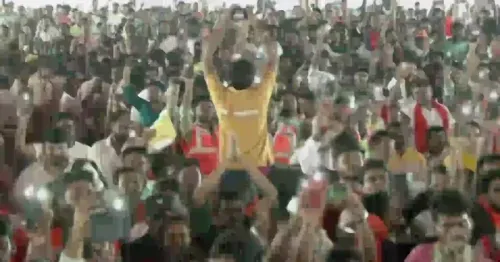
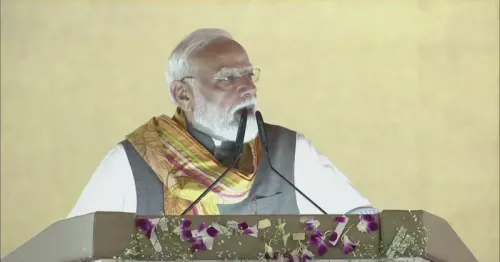
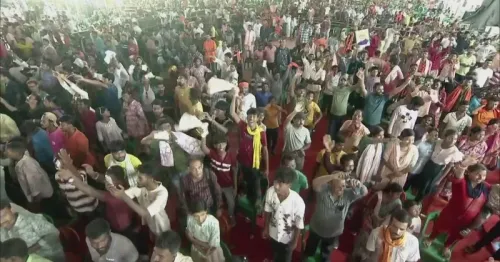
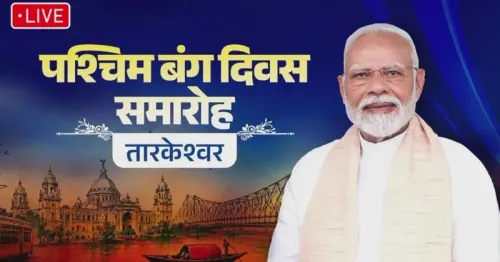
PM Modi addresses Paschimbanga Divas programme in Tarakeswar
Synopsis
Prime Minister Narendra Modi visited Tarakeswar in West Bengal on 20 June 2026 to address a Paschimbanga Divas programme, continuing a pattern of central government cultural outreach in the Trinamool Congress-governed state ahead of assembly elections.
Key Takeaways
PM Narendra Modi visited Tarakeswar, Hooghly district on 20 June 2026 to address a Paschimbanga Divas programme.
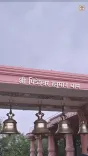
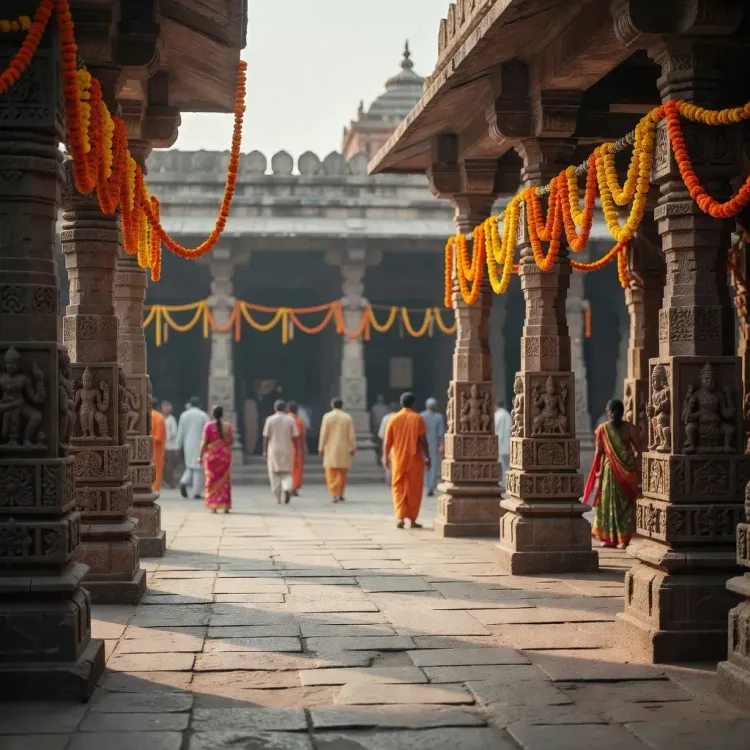
Tarakeswar is a major Hindu pilgrimage centre in West Bengal , home to the historic Tarakeswar Shiva Temple .
The visit aligns with the Ek Bharat Shreshtha Bharat initiative, which promotes state-specific cultural celebrations.
West Bengal is governed by the Trinamool Congress and is due for assembly elections in 2026 .
The engagement continues a pattern of BJP central leadership using cultural events to build presence in non-NDA states.
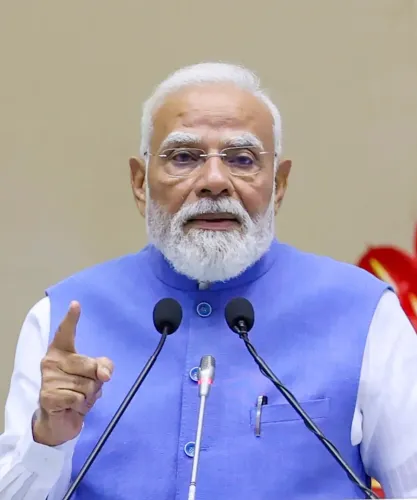
Prime Minister Narendra Modi visited Tarakeswar in Hooghly district, West Bengal, on Saturday, 20 June 2026, to address a public programme marking Paschimbanga Divas, sharing the event live with followers on social media.
Modi posted on X: 'Delighted to be in Tarakeswar. Addressing a programme on Paschimbanga Divas. Do watch.' The message, accompanied by a live-stream link, was his first public communication from the visit.
Context
Tarakeswar is one of West Bengal's most prominent Hindu pilgrimage towns, home to the centuries-old Tarakeswar Shiva Temple, which draws lakhs of devotees annually. The town's religious significance lends symbolic weight to any high-profile political or cultural visit. Paschimbanga Divas is a state-level cultural observance that highlights West Bengal's heritage, history, and regional identity.
Policy Backdrop
The visit fits within the framework of the Ek Bharat Shreshtha Bharat initiative, launched in 2015, which encourages state-specific cultural celebrations and inter-state exchanges to promote national integration. Central government participation in state-day events has been a recurring feature of this programme. Modi has made multiple high-profile visits to West Bengal — a state governed by the Trinamool Congress since 2011 — using cultural and religious occasions to engage local communities directly.
Stakeholders and Impact
The programme's primary audience is West Bengal's residents, for whom events celebrating regional identity carry deep cultural resonance. BJP workers and organisers in eastern India also stand to benefit from the visibility a Prime Ministerial appearance generates at the grassroots level. The visit occurs against a backdrop of ongoing centre-state tensions over scheme implementation and fund releases between New Delhi and the Mamata Banerjee-led state government.
Central leaders have consistently used cultural programmes in non-NDA-governed states to build organisational presence and engage regional identities outside the electoral campaign cycle. Such appearances allow the ruling party at the centre to maintain a public footprint in states where it is in opposition.
What's Next
West Bengal is due to hold assembly elections in 2026, making every significant central government engagement with the state politically consequential. Observers will watch for any follow-up announcements on centrally sponsored schemes, infrastructure projects, or cultural initiatives for the state emerging from or linked to this visit. The frequency and nature of Prime Ministerial engagements in West Bengal in the months ahead will be a key indicator of the BJP's electoral strategy in the east.
Point of View
Such visits serve a dual purpose: reinforcing the central government's cultural nationalism narrative while keeping the party's organisational machinery active in hostile territory. The choice of Tarakeswar, a site of deep Hindu devotion, also signals an attempt to connect with a voter base that the party views as persuadable. Centre-state friction over fund releases and scheme implementation remains a live fault line, and this visit does little to resolve those tensions — but it was never designed to.
NationPress
20 Jun 2026
Frequently Asked Questions
Why did PM Modi visit Tarakeswar on 20 June 2026?
PM Modi visited Tarakeswar in West Bengal on 20 June 2026 to address a programme marking Paschimbanga Divas , a cultural event celebrating the state's heritage and identity.
What is Paschimbanga Divas?
Paschimbanga Divas is a state-level cultural observance that celebrates West Bengal's history, heritage, and regional identity, and has been observed as part of broader cultural outreach efforts.
What is the significance of Tarakeswar?
Tarakeswar is a town in Hooghly district, West Bengal , renowned for the historic Tarakeswar Shiva Temple , which is one of the most important Hindu pilgrimage sites in eastern India.
What is Ek Bharat Shreshtha Bharat?
Ek Bharat Shreshtha Bharat is a central government initiative launched in 2015 to promote national integration through state-specific cultural celebrations and inter-state exchanges.
When are the next West Bengal assembly elections?
West Bengal assembly elections are due in 2026 , making central government engagements with the state particularly significant in the current political climate.