PM Modi Lands in Jakarta, to Hold Talks With President Prabowo
Synopsis
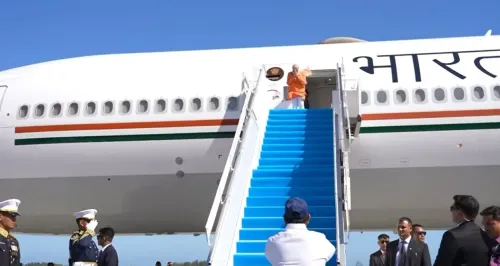
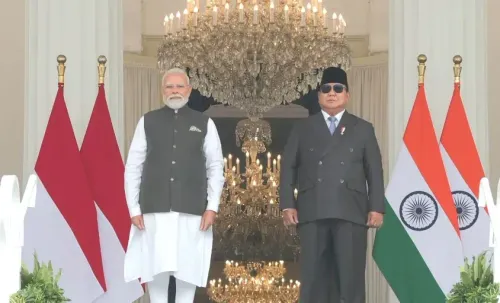
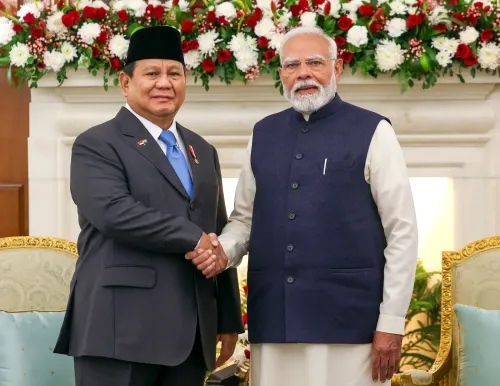
Prime Minister Narendra Modi landed in Jakarta on 6 July 2026 and was received at the airport by President Prabowo Subianto. The visit aims to deepen the 2018 Comprehensive Strategic Partnership through bilateral talks and a symbolic joint visit to the Prambanan Temple complex in Yogyakarta.
Key Takeaways
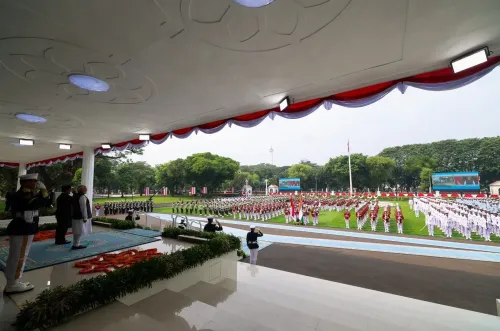
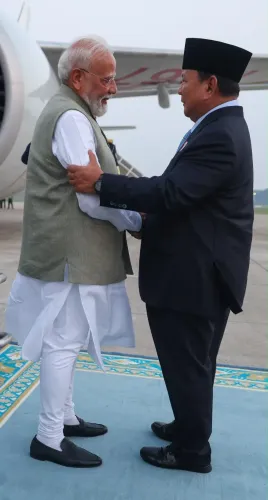
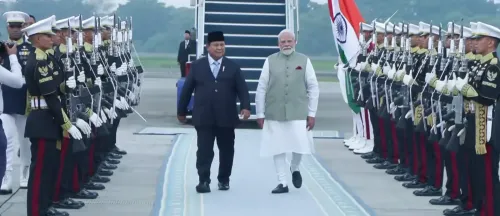
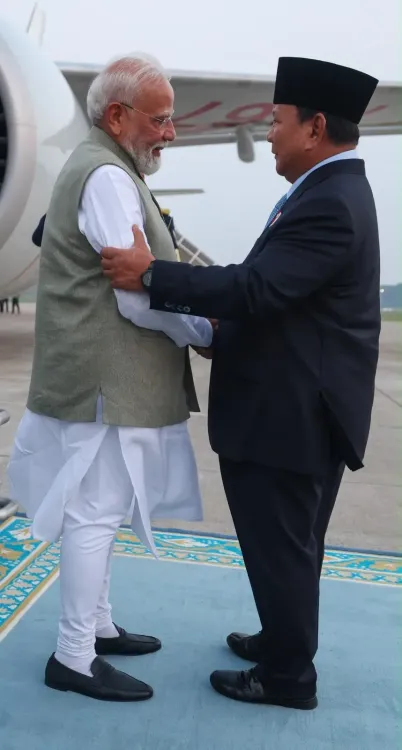
Prime Minister Modi arrived in Jakarta on 6 July 2026 and was personally received at the airport by President Prabowo Subianto .
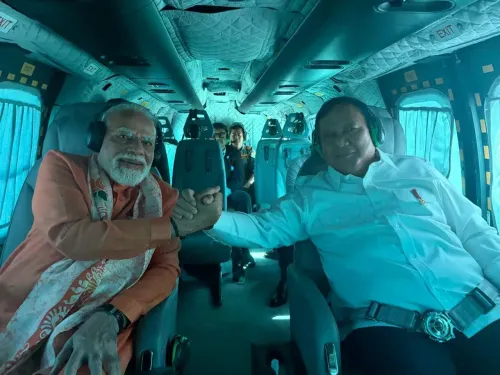
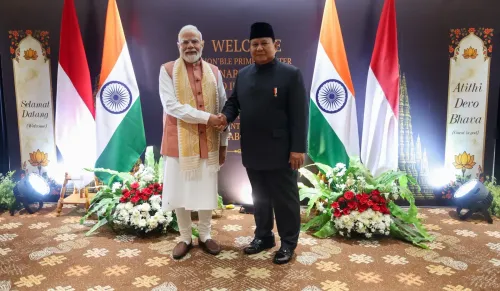
The two leaders are scheduled to hold bilateral discussions to deepen the Comprehensive Strategic Partnership first established in 2018 .
Modi and Prabowo will jointly visit the Prambanan Temple complex in Yogyakarta , a UNESCO World Heritage Site , to strengthen cultural ties.
Indonesia is a key partner under India's Act East Policy and a pivotal ASEAN member in the Indo-Pacific.
President Prabowo Subianto has been in office since October 2024 and previously served as Indonesia's defence minister.
PM Modi also plans to interact with the Indian community in Indonesia during the visit.
Prime Minister Narendra Modi arrived in Jakarta, Indonesia, on Monday, 6 July 2026, and was received at the airport by President Prabowo Subianto — a gesture Modi described as touching. The visit is aimed at deepening the Comprehensive Strategic Partnership established between the two countries in 2018.
Context
Posting on X after landing, Prime Minister Modi wrote: 'I'm touched by President Prabowo Subianto's gesture of welcoming me at the airport.' He noted that the two leaders would 'hold discussions aimed at adding even more momentum to this partnership across diverse sectors.' The personal airport reception by a head of state is a diplomatic signal of the warmth Indonesia wishes to project toward India.
Modi also confirmed that the two leaders would visit the Prambanan Temple complex in Yogyakarta, describing it as a step toward 'closer cultural linkages between our nations.' He added that he looks forward to interacting with the Indian community in Indonesia during the visit.
Policy Backdrop
During Prime Minister Modi's earlier visit to Jakarta in May 2018, India and Indonesia elevated their bilateral ties to a Comprehensive Strategic Partnership, broadening cooperation across defence, trade, maritime security, and connectivity. That upgrade marked a significant step in India's Act East Policy, which has prioritised deeper engagement with ASEAN capitals.
Indonesia is the world's largest Muslim-majority democracy and a pivotal ASEAN member. Its strategic location across key Indo-Pacific sea lanes makes it a critical partner for India as both nations navigate a shifting regional order. President Prabowo Subianto, who assumed office in October 2024 and previously served as defence minister under Joko Widodo, brings a strong security and strategic background to the bilateral dialogue.
Stakeholders and Impact
The visit carries direct relevance for the Indian diaspora in Indonesia, defence and trade industry stakeholders, and maritime sector actors in both countries. High-level visits of this nature routinely combine strategic negotiations with cultural diplomacy, reinforcing people-to-people ties alongside government-to-government agreements.
The joint visit to Prambanan Temple — a 9th-century Hindu temple complex in Yogyakarta recognised as a UNESCO World Heritage Site — carries particular symbolic weight. It underscores the shared civilisational heritage between India and Indonesia, a thread that has historically run beneath the formal diplomatic relationship.
What's Next
Observers will watch closely for any joint statement or new Memoranda of Understanding emerging from the Modi-Prabowo discussions, particularly on defence industry collaboration and digital connectivity — two areas where both governments have expressed interest in expanding ties. The cultural visit to Yogyakarta is also expected to generate significant public and diplomatic attention.
As India deepens its Indo-Pacific partnerships, the outcome of this visit could set the tone for the next phase of the Comprehensive Strategic Partnership — one that may include new frameworks on maritime domain awareness, economic corridors, and technology cooperation.
Point of View
The visit positions India as an engaged, culturally resonant partner in Southeast Asia rather than a distant power seeking transactional gains.
NationPress
5 Oct 2026
Frequently Asked Questions
Why did PM Modi visit Indonesia in July 2026?
Prime Minister Modi visited Indonesia in July 2026 to hold bilateral discussions with President Prabowo Subianto aimed at deepening the Comprehensive Strategic Partnership and expanding cooperation across defence, trade, maritime security, and cultural ties.
What is the India-Indonesia Comprehensive Strategic Partnership?
The Comprehensive Strategic Partnership is a bilateral framework elevated during PM Modi's May 2018 visit to Jakarta. It broadened India-Indonesia cooperation across defence, trade, maritime security, and connectivity under India's Act East Policy.
Which temple did PM Modi visit in Indonesia?
PM Modi and President Prabowo Subianto visited the Prambanan Temple complex in Yogyakarta, a 9th-century Hindu temple complex recognised as a UNESCO World Heritage Site, to strengthen cultural linkages between India and Indonesia.
Who is President Prabowo Subianto?
Prabowo Subianto is the President of Indonesia, having assumed office in October 2024. He previously served as Indonesia's defence minister under President Joko Widodo and has a background in the military.
What is India's Act East Policy?
India's Act East Policy is a strategic initiative that deepens India's engagement with ASEAN nations and the broader Indo-Pacific region, focusing on economic corridors, maritime security, and people-to-people ties. Indonesia is a key partner under this policy.