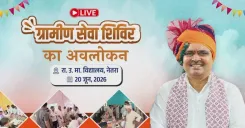
PM Modi in Mayurbhanj with President Murmu for development programme
Synopsis
Prime Minister Narendra Modi joined President Droupadi Murmu in Mayurbhanj, Odisha, on 20 June 2026 to address a regional development programme, marking a rare joint appearance by India's top two constitutional offices in a tribal-majority district.
Key Takeaways
PM Modi and President Droupadi Murmu jointly appeared in Mayurbhanj, Odisha , on 20 June 2026 for a development-focused programme.
Mayurbhanj is a tribal-majority district in northern Odisha and a focus area under the central government's Aspirational Districts Programme launched in 2018 .
President Murmu is India's first President from a tribal community and originally from Odisha , adding symbolic significance to her attendance.
The visit continues a pattern of high-profile Prime Ministerial engagements in Odisha aimed at accelerating welfare and infrastructure delivery in tribal belts.
Follow-up project sanctions and district-level implementation reviews are expected in the coming months.
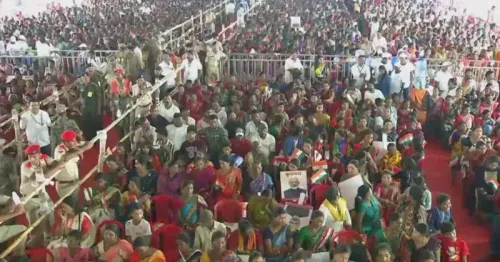
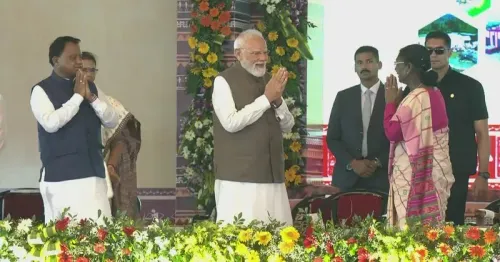
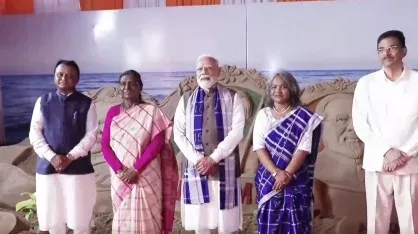
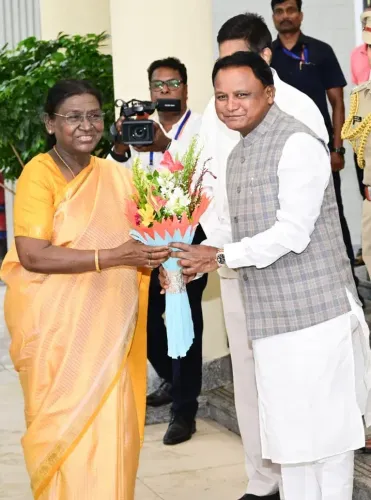
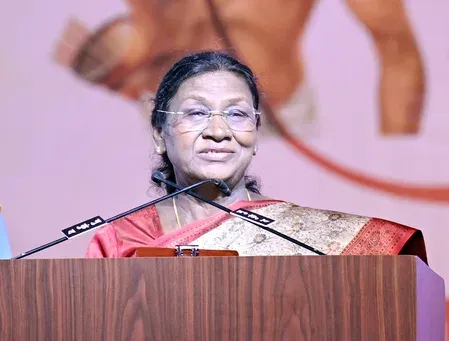
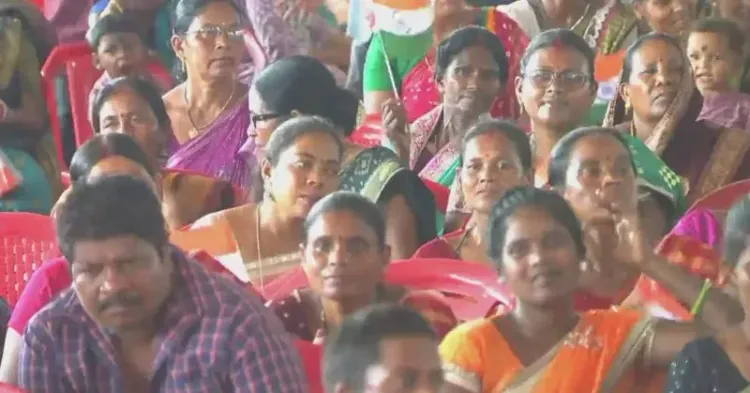
Prime Minister Narendra Modi visited Mayurbhanj, Odisha, on Saturday, 20 June 2026, alongside President Droupadi Murmu, to address a programme centred on the development and growth of the region.
Context
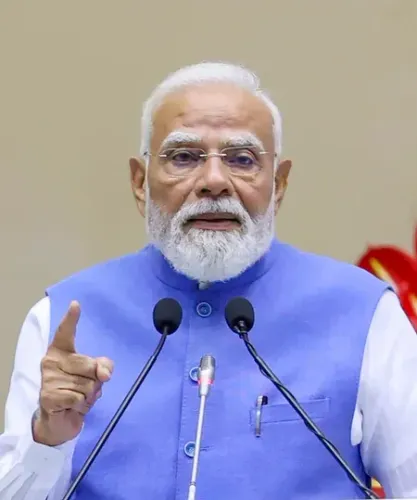
In his post on X, PM Modi described himself as 'honoured' to be in Mayurbhanj alongside Rashtrapati Ji — the honorific commonly used for India's President — and noted that the programme was 'focused on the development and growth of the region.' The joint appearance of the Prime Minister and the President in a single district is a relatively rare and high-profile event that draws national attention to a region.
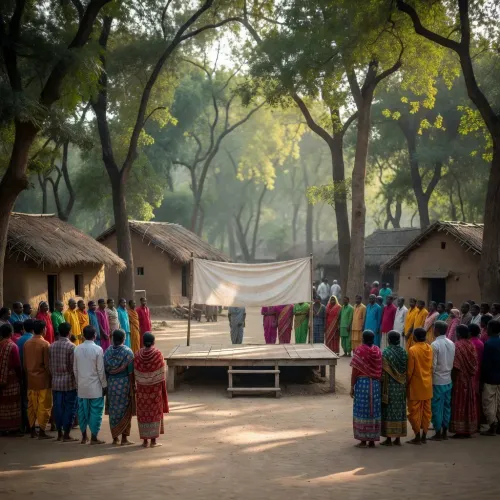
Mayurbhanj is a district in northern Odisha with a predominantly tribal population. President Murmu, who took office in 2022 as India's first President from a tribal community, hails from Odisha, lending particular symbolic weight to her presence at a development event in the state.
Policy Backdrop
The visit fits within a sustained pattern of central government outreach to Odisha's tribal belts. The Aspirational Districts Programme, launched in 2018, identified several backward districts — including those in Odisha — for targeted improvements in health, education, nutrition, financial inclusion, and infrastructure. Mayurbhanj has historically been among the districts prioritised under such convergence frameworks.
Between 2017 and 2022, multiple Prime Ministerial visits to Odisha were accompanied by announcements of special central assistance packages for tribal welfare and connectivity. Saturday's programme continues that lineage of high-visibility engagements designed to demonstrate federal investment in the state's underdeveloped regions.
Stakeholders and Impact
The primary beneficiaries of such programmes are Mayurbhanj's tribal communities and the broader population of northern Odisha, who have long sought improved road connectivity, healthcare facilities, and educational infrastructure. The presence of both the constitutional head of state and the head of government signals that the central government views the region's development as a priority at the highest level.
For Odisha as a whole, joint engagements of this nature typically accelerate the on-ground convergence of central schemes, as district administrations receive direct visibility from top leadership. Civil society groups and local elected representatives in Mayurbhanj are likely to use the occasion to press for faster implementation of pending projects.
What's Next
Observers will watch for follow-up district-level implementation reports and any fresh project sanctions that may be linked to this visit, particularly in the run-up to the next Union Budget cycle or an Odisha-specific review meeting. The joint presence of PM Modi and President Murmu in a tribal-majority district is also expected to shape the political narrative around central government outreach to eastern India in the months ahead.
Point of View
The optics of standing alongside President Murmu — herself a symbol of tribal representation at the highest constitutional office — reinforce the BJP's sustained effort to consolidate its foothold in Odisha following its strong performance in the state. The visit also fits the government's broader strategy of using high-visibility convergence events to demonstrate on-ground delivery of central schemes in aspirational districts. Whether the programme translates into measurable improvements for Mayurbhanj's communities will depend on the follow-through at the district administration level.
NationPress
20 Jun 2026
Frequently Asked Questions
Why did PM Modi visit Mayurbhanj in Odisha?
PM Modi visited Mayurbhanj on 20 June 2026 to address a programme focused on the development and growth of the region, alongside President Droupadi Murmu .
What is the significance of President Droupadi Murmu attending the Mayurbhanj programme?
President Murmu is India's first President from a tribal community and originally from Odisha , making her presence at a development event in a tribal-majority district of her home state particularly significant.
What is the Aspirational Districts Programme and how does it relate to Mayurbhanj?
The Aspirational Districts Programme , launched in 2018 , targets socio-economic improvements in backward districts across India, with several districts in Odisha , including Mayurbhanj , identified for priority intervention in health, education, and connectivity.
Is Mayurbhanj a tribal district in Odisha?
Yes, Mayurbhanj is a district in northern Odisha with a predominantly tribal population and has been a focus area for central government welfare and infrastructure programmes.
What happens after PM Modi's visit to Mayurbhanj?
Observers expect follow-up district-level implementation reports and possible fresh project sanctions linked to the visit, which may be taken up in the next Union Budget cycle or an Odisha -specific government review.