PM Modi Inaugurates RBI Data Centre and Cybersecurity Institute in Bhubaneswar

Synopsis
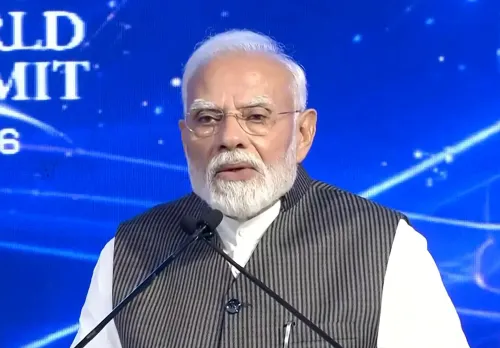
Prime Minister Narendra Modi on October 25, 2026 inaugurated the RBI's Data Centre and Cybersecurity Training Institute in Bhubaneswar, decentralising critical financial infrastructure and building India's digital banking defence capacity.
Key Takeaways
Prime Minister Narendra Modi inaugurated the RBI's Data Centre and Cybersecurity Training Institute in Bhubaneswar on October 25, 2026 .
The facility represents a decentralisation push by the RBI , shifting critical infrastructure away from traditional metros to Odisha's capital.
The Cybersecurity Training Institute aims to build a domestic pipeline of financial cybersecurity professionals amid rapid digitisation of India's banking system.
The initiative aligns with the central government's emphasis on indigenous data security capability and aligns with the RBI's cybersecurity framework established in 2018 .
Kishan Reddy broadcast the inauguration live on X, highlighting the event's national significance.
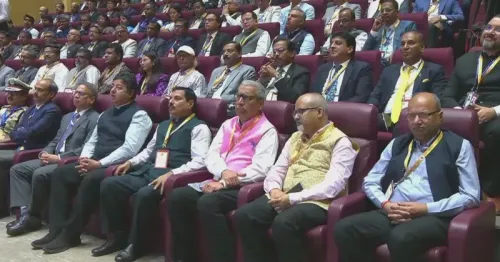
India's financial infrastructure got a significant upgrade on Sunday, October 25, 2026, as Prime Minister Narendra Modi inaugurated the Reserve Bank of India's newly established Data Centre and Cybersecurity Training Institute in Bhubaneswar — a facility designed to fortify the country's banking backbone against a fast-evolving digital threat landscape. Union Coal and Mines Minister and BJP Telangana state president G. Kishan Reddy shared a live broadcast of the event on X, flagging the inauguration for his national following.
Why Bhubaneswar, and Why Now
The choice of Bhubaneswar — Odisha's state capital — is deliberate and telling. It continues a pattern of the RBI and the central government pushing institutional muscle beyond Mumbai and Delhi, seeding tier-2 cities with high-value infrastructure. For Odisha, long regarded as a developing economy on India's eastern flank, hosting a national financial regulator's data nerve centre marks a visible shift in how strategic assets are being distributed across the country.
The urgency behind the facility is equally clear. India now processes hundreds of millions of digital transactions daily. The RBI had already laid the regulatory groundwork with its cybersecurity framework for electronic banking transactions back in 2018, but training capacity and dedicated infrastructure lagged behind the pace of digitisation. This institute is meant to close that gap — creating a pipeline of trained personnel equipped to defend banks, payment systems, and customers from an increasingly sophisticated threat environment.
A Training Institute at the Heart of the Build-Out
The Cybersecurity Training Institute is the component that carries the longest operational shadow. Data centres can be replicated; specialised human capital takes years to cultivate. By embedding a dedicated training arm alongside the data infrastructure, the RBI signals that the project is not just about hardware redundancy — it is about building an indigenous bench of financial cybersecurity professionals. That aligns squarely with the central government's broader push for domestic capability in data security and information technology.
What to watch next: the rollout timeline for training programmes, the centre's full operational status, and whether Sunday's inauguration triggers follow-up announcements on additional RBI facilities or updated cybersecurity policy guidelines from Mint Street.
India's financial system is only as secure as its least-defended node. With this inauguration, the government has added one more layer of armour — and placed it in a city that was not on the map for this kind of institution until now.
Point of View
A region the BJP has worked to consolidate after winning Odisha in recent elections. For the RBI, embedding a training institute within the data centre structure suggests the regulator is moving from issuing cybersecurity guidelines to actively enforcing capability-building across the banking sector. The broader arc points toward India positioning itself as a self-sufficient financial technology power rather than relying on external expertise for critical infrastructure defence.
NationPress
25 Oct 2026
Frequently Asked Questions
What did PM Modi inaugurate in Bhubaneswar on October 25 2026?
PM Modi inaugurated the Reserve Bank of India's newly established Data Centre and Cybersecurity Training Institute in Bhubaneswar, Odisha, on October 25, 2026.
Why was Bhubaneswar chosen for the RBI Data Centre?
Bhubaneswar was selected as part of a broader effort to decentralise RBI operations and high-value financial infrastructure to tier-2 cities beyond traditional metros like Mumbai and Delhi.
What is the purpose of the RBI Cybersecurity Training Institute?
The institute is designed to train specialised financial cybersecurity professionals, building India's domestic capacity to defend its banking and digital payments systems against cyber threats.
How does this fit India's broader digital security policy?
It aligns with the central government's push for indigenous data security capability and builds on the RBI's cybersecurity guidelines for electronic banking transactions first issued in 2018.
Who shared the live broadcast of the inauguration on X?
Union Coal and Mines Minister and BJP Telangana state president G. Kishan Reddy shared the live broadcast of the inauguration on X.