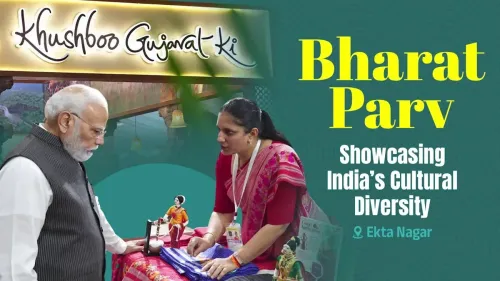
PM Modi Celebrates Bharat Parv Launch in Kevadia
Synopsis
Prime Minister Narendra Modi on October 31 spotlighted the launch of Bharat Parv in Kevadia, Gujarat — the Ministry of Tourism's annual showcase of India's regional cultures, held at the Statue of Unity site to celebrate the country's unity in diversity.
Key Takeaways
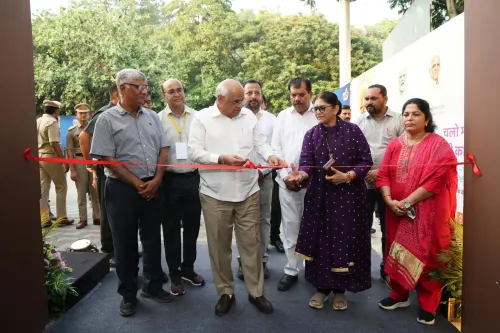
PM Modi posted on October 31, 2026 highlighting the inauguration of Bharat Parv in Kevadia, Gujarat .
Bharat Parv is an annual cultural festival organised by India's Ministry of Tourism to showcase diverse state traditions, cuisines, and performances.
Kevadia in Narmada district, Gujarat was developed as a major tourism hub following the inauguration of the Statue of Unity in October 2018 .
The festival is aligned with the government's Swadesh Darshan scheme, which funds thematic tourism circuits across India.
Bharat Parv serves both economic goals — supporting artisans and performers — and a broader message of national cultural unity.
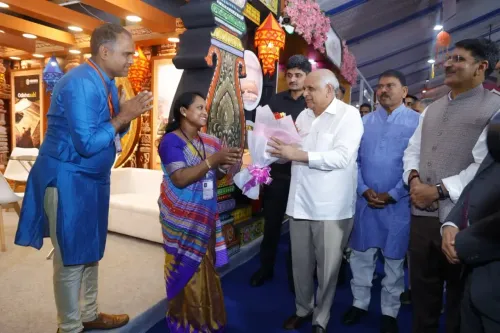
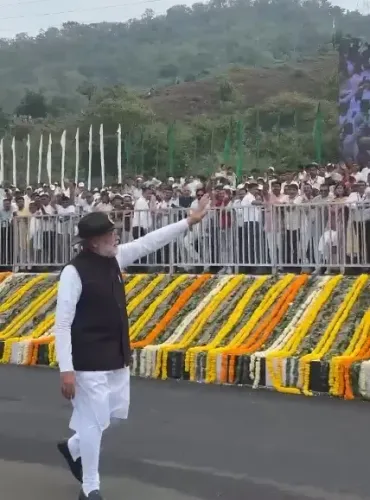
India's kaleidoscope of traditions found a stage in Kevadia, Gujarat, as Prime Minister Narendra Modi on Saturday, October 31, 2026, highlighted the inauguration of Bharat Parv — the annual cultural festival that turns the town beside the Statue of Unity into a living showcase of the country's unity in diversity.
Posting on X, the Prime Minister wrote: 'Different traditions and cultures of incredible India! Bharat Parv in Kevadia, which was inaugurated yesterday, celebrates our unity and vibrancy.' The message was brief. The ambition behind the event is anything but.
What Bharat Parv Brings to Kevadia
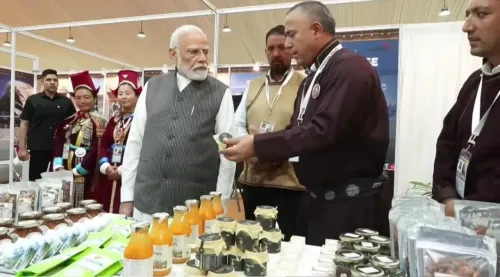
Bharat Parv is an initiative of India's Ministry of Tourism designed to assemble folk artists, artisans, cuisine stalls, and cultural performers from states across the country under one roof. From Ladakhi folk dances to Chhattisgarhi crafts to coastal Kerala cuisine, the festival is engineered to let domestic tourists sample India's staggering regional variety in a single destination. Kevadia — already home to the world's tallest statue — gives the event a backdrop with enormous symbolic weight.
Kevadia's Rise as a Cultural Tourism Anchor
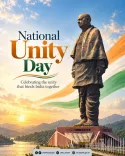
Kevadia, in Narmada district, Gujarat, was transformed after the Statue of Unity — a 182-metre tribute to Sardar Vallabhbhai Patel — was inaugurated in October 2018. Since then, the government has systematically layered tourism infrastructure onto the site: tent cities, a jungle safari, a nutrition park, and improved rail and road links. Hosting Bharat Parv here is a deliberate doubling-down — pairing Patel's symbol of national integration with a festival that enacts that integration through living culture.
The broader framework is the Swadesh Darshan scheme, which has channelled central funding into thematic tourism circuits across India, with sites like Kevadia positioned as flagship destinations capable of drawing visitors year-round rather than during a single seasonal spike.
Tourism's Soft-Power Play
Events like Bharat Parv serve a dual purpose: they generate footfall and livelihoods for performers, artisans, and hospitality workers, while projecting a message of cultural cohesion at a time when regional identity politics can cut the other way. For the government, a festival that places a Manipuri dancer and a Rajasthani puppeteer on the same stage in Gujarat is both economic activity and political statement — unity made tangible, photographable, and shareable.
Frequently Asked Questions
What is Bharat Parv and where is it held?
Bharat Parv is an annual cultural festival organised by India's Ministry of Tourism that showcases traditions, folk performances, cuisines, and crafts from states across the country. The 2026 edition is being held in Kevadia, Gujarat, near the Statue of Unity.
Why is Kevadia chosen for Bharat Parv?
Kevadia was developed as a major tourism hub after the Statue of Unity — the world's tallest statue at 182 metres — was inaugurated there in October 2018. Its established infrastructure and symbolic association with national unity make it a fitting venue for a festival celebrating India's diversity.
What is the Swadesh Darshan scheme?
Swadesh Darshan is a central government scheme that funds the development of thematic tourism circuits across India, aiming to create world-class visitor experiences at culturally and historically significant sites, with Kevadia being one of its flagship destinations.
When did PM Modi post about Bharat Parv 2026?
Prime Minister Narendra Modi posted about Bharat Parv on X on Saturday, October 31, 2026, noting that the festival had been inaugurated the previous day in Kevadia.
Who benefits from Bharat Parv events?
Domestic tourists, folk artists, artisans, cuisine vendors, and local hospitality workers are the primary beneficiaries. The festival also serves as a platform for cultural performers from smaller states to gain national visibility.