PM Modi condoles death of Buddhist scholar Robert Thurman
Synopsis
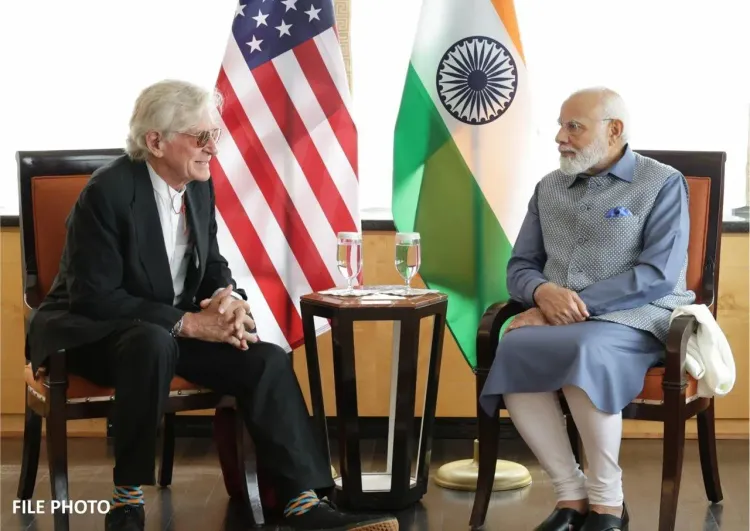
Prime Minister Narendra Modi paid tribute to Robert A. F. Thurman, the first American ordained as a Tibetan Buddhist monk and a Columbia University professor, calling him 'a lifelong friend of India' who built lasting cultural bridges between India and the West.
Key Takeaways
Prime Minister Narendra Modi expressed condolences over the death of Robert A.
Thurman on June 18, 2026 .
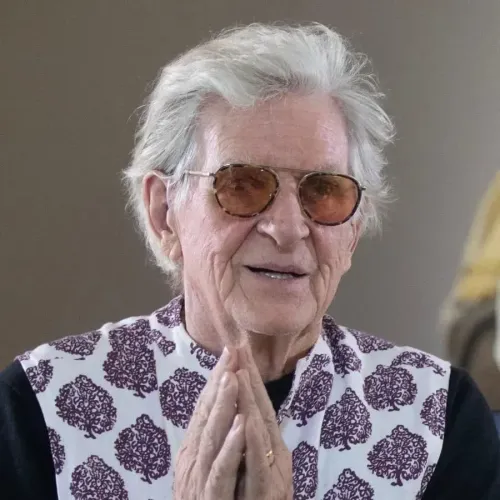
Thurman held the Je Tsongkhapa Chair in Indo-Tibetan Buddhist Studies at Columbia University and was the first American ordained as a Tibetan Buddhist monk .
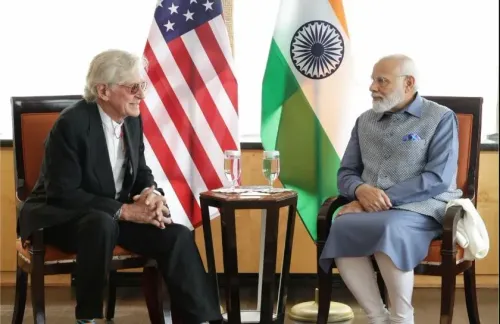
Modi described Thurman as 'an eminent scholar of Buddhism, a distinguished teacher and a lifelong friend of India.' Thurman co-founded Tibet House US and maintained a decades-long association with the Dalai Lama .
The tribute reflects India's broader cultural diplomacy strategy of recognising foreign scholars who advance the global profile of Indian philosophical traditions.
India revived Nalanda University in 2010 as part of its effort to position itself as a global centre for Buddhist scholarship.
Prime Minister Narendra Modi on Wednesday, June 18, 2026, expressed grief over the passing of Robert A. F. Thurman, a pioneering American scholar of Buddhism and a lifelong champion of India's philosophical traditions, describing him as 'an eminent scholar of Buddhism, a distinguished teacher and a lifelong friend of India.'
Context
Robert A. F. Thurman was widely regarded as one of the foremost Western interpreters of Tibetan Buddhism. He held the Je Tsongkhapa Chair in Indo-Tibetan Buddhist Studies at Columbia University, making him one of the most institutionally prominent Buddhist scholars in the United States. He was also the first American to be ordained as a Tibetan Buddhist monk, a distinction that marked his lifelong commitment to the tradition.
Thurman maintained a close and enduring association with the Dalai Lama, the spiritual leader of Tibetan Buddhism, spanning several decades. Through books, lectures, and institutional work, he brought Buddhist thought to mainstream Western audiences and cultivated a deep appreciation for India's spiritual heritage abroad.
Policy Backdrop
Prime Minister Modi's tribute fits within a consistent pattern of India's cultural diplomacy anchored in its Buddhist legacy. New Delhi has long leveraged its status as the birthplace of Buddhism to build soft-power connections with nations across Asia, Europe, and North America. Successive Indian governments have invested in Buddhist heritage sites, international scholarly forums, and academic exchanges to advance this agenda.
A landmark expression of this policy was the revival of Nalanda University in 2010, an effort to restore one of the ancient world's greatest centres of learning and position India as a hub for global Buddhist scholarship. Thurman's institutional work at Columbia University and through Tibet House US — a cultural centre he co-founded — complemented these Indian efforts by sustaining Western academic and public interest in the tradition.
Stakeholders and Impact
Thurman's passing is felt acutely by Buddhist scholars, Indo-US cultural organisations, and the broader community of practitioners and academics who engaged with his translations of key Buddhist texts. His work built what Modi called 'enduring bridges of understanding between cultures,' a phrase that underscores the diplomatic as well as intellectual weight attached to his legacy.
For India, the loss of a figure who voluntarily and passionately advocated for its philosophical traditions on the world stage represents a significant moment. Modi's public condolence signals the importance New Delhi places on such informal ambassadors of Indian civilisational thought.
What's Next
Attention will now turn to whether India participates in any commemorative events at Columbia University or Tibet House US in Thurman's honour. International Buddhist conferences in the months ahead may also serve as occasions for Indian representatives to formally acknowledge his contribution to the global understanding of the tradition.
Thurman's institutional legacy at Columbia and the organisations he built will likely shape the next chapter of Indo-US engagement on Buddhist scholarship and cultural exchange.
Point of View
The Prime Minister reinforces a soft-power strategy that treats scholarly recognition as diplomatic currency. The tribute also arrives at a moment when India is actively competing to lead global Buddhist heritage discourse, making the acknowledgment of Thurman's bridge-building work strategically coherent. The gesture is consistent with a pattern of Modi personally reaching out across cultural lines to underscore India's role as the spiritual homeland of Buddhism.
NationPress
19 Sept 2026
Frequently Asked Questions
Who was Robert A. F. Thurman?
Robert A. F. Thurman was a prominent American scholar of Indo-Tibetan Buddhism, the first American to be ordained as a Tibetan Buddhist monk, and a long-serving professor at Columbia University where he held the Je Tsongkhapa Chair in Indo-Tibetan Buddhist Studies.
Why did PM Modi pay tribute to Robert Thurman?
PM Modi paid tribute to Thurman because of his decades of work popularising Buddhist thought globally and building cultural ties between India and the West, describing him as 'a lifelong friend of India.'
What is Tibet House US and what was Thurman's role?
Tibet House US is a cultural centre in New York dedicated to preserving and promoting Tibetan civilisation. Robert Thurman was among its co-founders and remained closely associated with its mission throughout his life.
How does India use Buddhism as part of its foreign policy?
India promotes its status as the birthplace of Buddhism through heritage site development, the revival of Nalanda University in 2010, and support for international Buddhist forums, using cultural diplomacy to build soft-power links with nations across Asia, Europe, and North America.
What was Robert Thurman's connection to the Dalai Lama?
Robert Thurman maintained a close professional and personal association with the Dalai Lama, the spiritual leader of Tibetan Buddhism, spanning several decades, collaborating on efforts to preserve and disseminate Tibetan Buddhist knowledge globally.