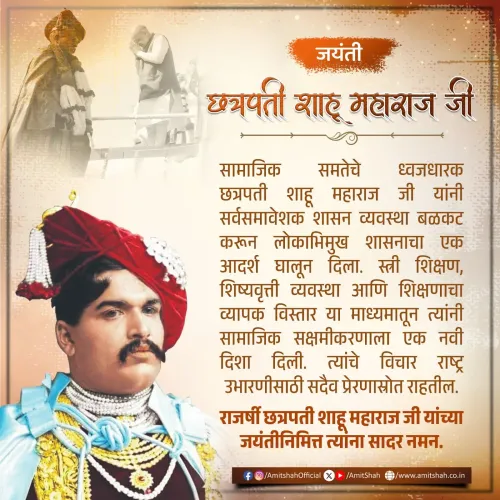
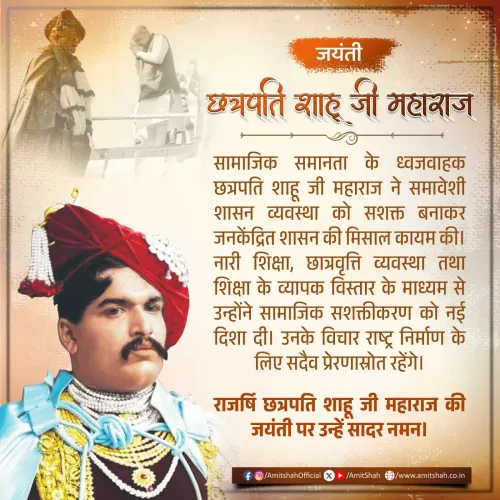
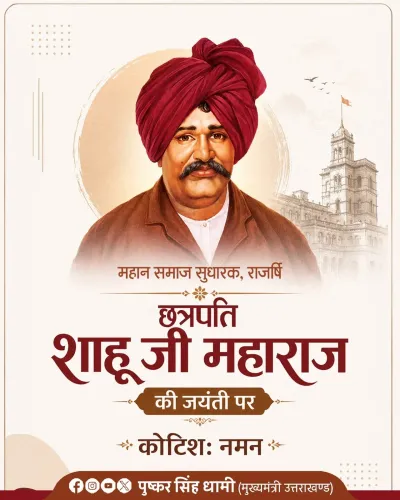
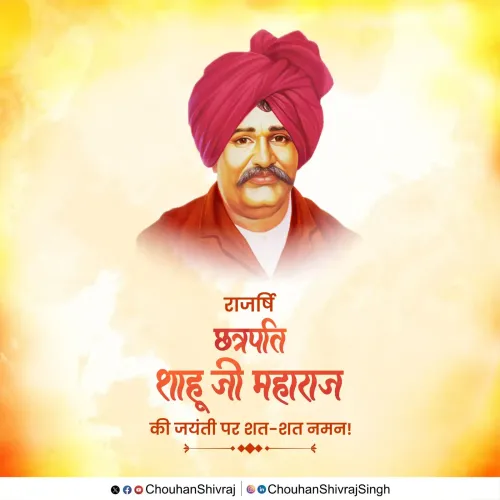
PM Modi pays tribute to Shahu Maharaj on birth anniversary
Synopsis
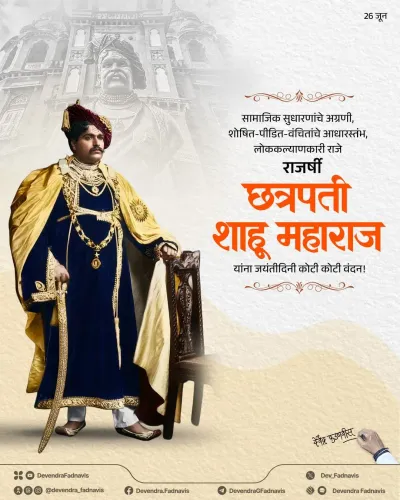
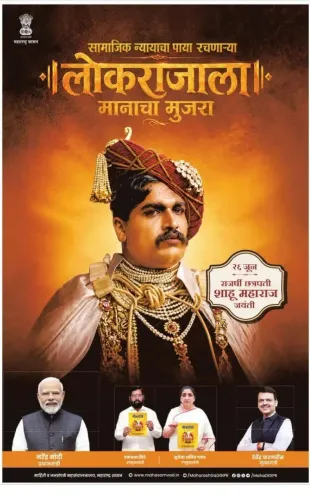
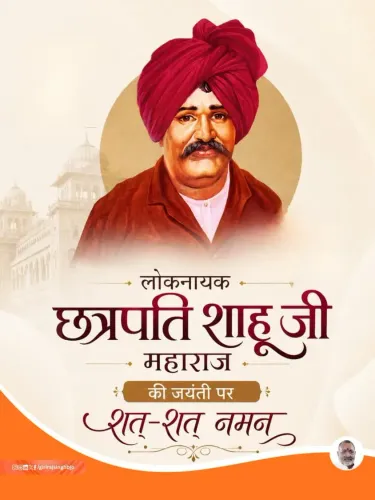
Prime Minister Narendra Modi on 26 June 2026 paid tribute to Rajarshi Chhatrapati Shahu Maharaj on his birth anniversary, honouring the Kolhapur ruler's pioneering work on reservation and social justice for backward and marginalised communities.
Key Takeaways
Prime Minister Narendra Modi paid tribute to Rajarshi Chhatrapati Shahu Maharaj on his birth anniversary on 26 June 2026 .
Shahu Maharaj served as Maharaja of Kolhapur State from 1894 to 1922 and is regarded as a foundational figure in Indian social reform.
In 1902 , he reserved 50 per cent of state administrative and educational posts for backward communities — one of India's earliest formal affirmative action policies.
Modi described Shahu Maharaj as a dedicated advocate for the 'deprived, exploited, and backward communities' whose ideals will 'inspire the nation for ages.' The tribute reflects a consistent pattern of acknowledging pre-independence social reformers with strong resonance among OBC and backward-class communities in Maharashtra .
Prime Minister Narendra Modi on Friday, 26 June 2026 paid tribute to Rajarshi Chhatrapati Shahu Maharaj on his birth anniversary, honouring the reformist ruler of Kolhapur as a steadfast champion of social justice and equality.
In his post, the Prime Minister wrote: 'Rajarshi Chhatrapati Shahu Maharaj yanchya jayantinimitta tyanna vinamra abhivadan!' — offering humble salutations on the occasion of the birth anniversary — and described the Maharaja as a dedicated advocate for the upliftment of the deprived, exploited, and backward communities. Modi added that Shahu Maharaj's great work and ideals 'will continue to inspire and guide the nation for ages to come.'
Context
Rajarshi Chhatrapati Shahu Maharaj served as the Maharaja of Kolhapur State from 1894 to 1922. He is remembered as one of the earliest rulers in the Indian subcontinent to institutionalise affirmative action for marginalised communities. His reign was marked by a consistent effort to dismantle caste-based discrimination and extend access to education and public employment to those historically excluded from both.
Policy Backdrop
In 1902, Shahu Maharaj introduced a landmark policy reserving 50 per cent of posts in his state's administration and educational institutions for backward communities — establishing what historians regard as one of India's earliest formal models of reservation. This predated the constitutional provisions for affirmative action by nearly five decades and provided an empirical foundation for later policy frameworks at the national level.
The Maharaja's interventions went beyond administrative orders. He funded schools for lower-caste children, patronised non-Brahmin movements, and worked to ensure that access to public resources was not contingent on caste identity. His legacy is frequently cited in contemporary debates around Other Backward Classes (OBC) representation, reservation policy reviews, and Maharashtra's social welfare architecture.
Stakeholders and Impact
Shahu Maharaj's birth anniversary holds particular resonance for backward classes, Dalit communities, and OBC groups across Maharashtra and the wider western Indian region. Political leaders across the spectrum routinely mark the occasion, reflecting the Maharaja's enduring cross-partisan stature as a symbol of social equity.
Prime Minister Modi's tribute is consistent with a broader pattern of acknowledging pre-independence reformers and rulers whose work on caste upliftment intersects with current discussions on representation and welfare. Such acknowledgements carry political salience in states like Maharashtra, where OBC and backward-class constituencies form a significant electoral and social force.
What's Next
Observers will watch for any policy announcements tied to the occasion — particularly around OBC welfare schemes, reservation-related reviews, or Maharashtra-specific social justice programmes in upcoming state assembly sessions or central government announcements. Shahu Maharaj's legacy continues to serve as a reference point in legislative and public debates on equitable representation in India.
Point of View
Modi connects the party to a legacy that resonates deeply with OBC and backward-class voters — a constituency of considerable electoral weight in Maharashtra and across Hindi-speaking states. The timing and language of such tributes signal continued political attention to social justice discourse, even in the absence of specific new policy announcements. Analysts will note that this pattern of symbolic acknowledgement often precedes or accompanies substantive welfare announcements targeting marginalised communities.
NationPress
26 Jun 2026
Frequently Asked Questions
Who was Rajarshi Chhatrapati Shahu Maharaj?
Rajarshi Chhatrapati Shahu Maharaj was the Maharaja of Kolhapur State from 1894 to 1922. He is celebrated as one of India's earliest champions of social justice, best known for introducing a reservation policy in 1902 that set aside 50 per cent of state administrative and educational posts for backward communities.
Why did PM Modi pay tribute to Shahu Maharaj?
PM Modi paid tribute to Shahu Maharaj on his birth anniversary on 26 June 2026, honouring the ruler's lifelong work in advancing the rights and welfare of deprived, exploited, and backward communities in India.
What was Shahu Maharaj's reservation policy?
In 1902, Shahu Maharaj reserved 50 per cent of posts in the Kolhapur State administration and educational institutions for backward communities, making it one of the earliest formal affirmative action policies in the Indian subcontinent.
What is the significance of Shahu Maharaj's birth anniversary in Maharashtra?
Shahu Maharaj's birth anniversary is a significant occasion in Maharashtra, particularly for OBC, Dalit, and backward-class communities who regard him as a foundational figure in the struggle for social equity and representation.
How does Modi's tribute to social reformers connect to current policy?
PM Modi regularly marks the birth anniversaries of pre-independence social reformers as part of a broader effort to connect contemporary welfare and reservation frameworks to historical precedent, with particular resonance in states like Maharashtra where backward-class communities form a large constituency.