CRPF Raising Day 2026: PM Modi salutes 88 years of courage and duty
Synopsis
On CRPF's 88th Raising Day, PM Modi singled out the force's anti-Maoist record for special praise — a pointed signal about the government's internal security priorities. With 2,270 personnel killed in the line of duty since 1939, the CRPF's Raising Day is less ceremony and more a reckoning with the cost of keeping India's most volatile regions from the edge.
Key Takeaways
PM Narendra Modi greeted CRPF personnel on Raising Day, 27 July 2026 , via a post on X .
The CRPF marks 88 years since its founding on 27 July 1939 as the Crown Representative's Police.
Modi specifically highlighted the force's role in eliminating the menace of Maoism .
Since inception, 2,270 CRPF personnel have laid down their lives in the line of duty.
The force operates specialised units including the Rapid Action Force (RAF) and CoBRA for counter-insurgency.
The CRPF functions under the Ministry of Home Affairs and plays a key role in election security across India.
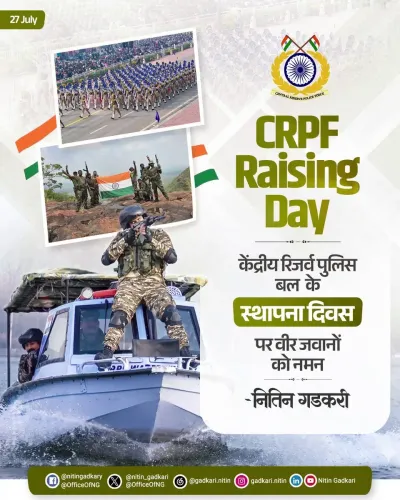
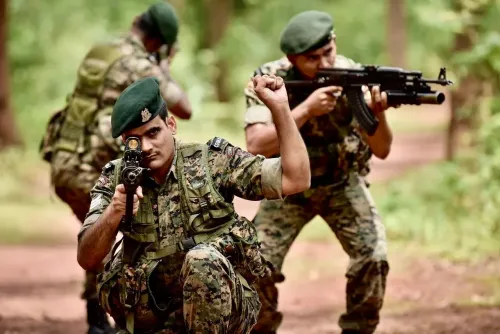
Prime Minister Narendra Modi on Monday, 27 July extended greetings to all personnel of the Central Reserve Police Force (CRPF) on the force's Raising Day, commending its record of unwavering courage, commitment to duty, and its pivotal role in eliminating Left Wing Extremism. The tribute came as India's largest Central Armed Police Force marked 88 years since its founding on 27 July 1939.
What PM Modi Said
In a post on X, Modi wrote: 'Greetings to all CRPF personnel on their Raising Day. The CRPF has distinguished itself through its unwavering courage and commitment to duty. From safeguarding internal security to serving citizens during challenging situations, CRPF personnel have always placed the nation first. Their efforts in eliminating the menace of Maoism are particularly notable and have contributed to peace and progress in the lives of several people.'
88 Years of Service and Sacrifice
Originally constituted as the Crown Representative's Police during the British era, the force was renamed the Central Reserve Police Force through the CRPF Act of 28 December 1949 following Independence. Guided by its motto 'Service and Loyalty', the CRPF has grown into a cornerstone of India's internal security architecture over eight decades.
The human cost of that service has been significant. Since inception, 2,270 CRPF personnel have made the ultimate sacrifice in the line of duty — a figure that underscores the force's operational exposure across some of the country's most volatile theatres.
Operational Reach and Specialised Units
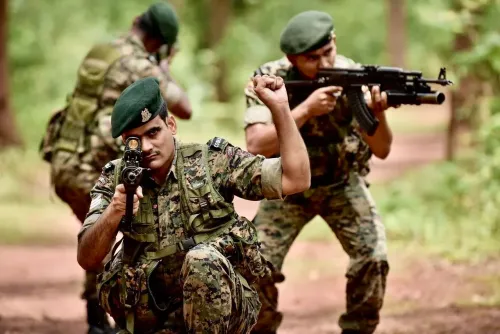
Operating under the Ministry of Home Affairs (MHA), the CRPF's mandate spans riot control, crowd management, anti-insurgency missions, anti-militancy operations, and combating Left Wing Extremism (LWE) in affected regions. The force also includes two notable specialised units: the Rapid Action Force (RAF), trained for riot control and communal disturbance management, and the Commando Battalion for Resolute Action (CoBRA), which focuses on counter-insurgency and anti-Maoist operations.
The CRPF is additionally a key pillar of India's electoral security framework, regularly deployed in sensitive and conflict-prone constituencies to uphold democratic processes and maintain public confidence during polling.
Role in Counter-Maoist Operations
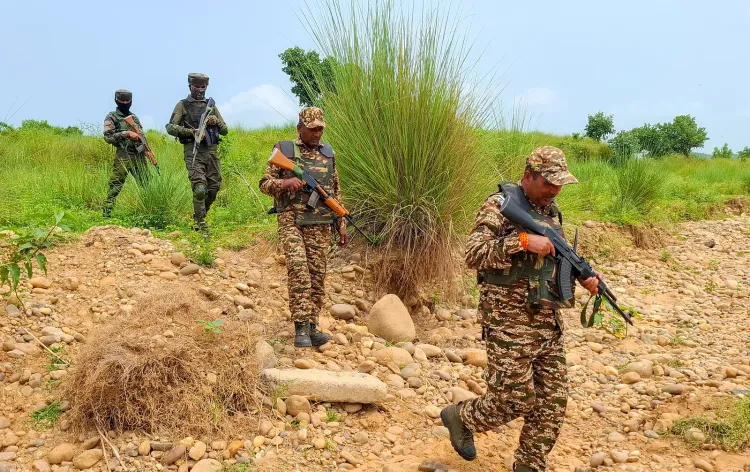
Modi's specific mention of anti-Maoist efforts reflects the CRPF's sustained operational role in LWE-affected states, where CoBRA units have been at the forefront of security operations. Notably, successive government data has pointed to a marked decline in Maoist-related violence over the past decade — a trend officials attribute in part to CRPF's ground-level presence and intelligence-led operations.
Looking Ahead
As the CRPF enters its 89th year, the force faces evolving security challenges — from hybrid insurgencies to election-related deployments in an increasingly complex political landscape. The government's continued emphasis on modernisation and specialised training will be closely watched by security analysts and state administrations that depend on CRPF support.
Point of View
Reinforcing the government's narrative of a security turnaround in LWE-affected states ahead of assembly cycles in those regions. The CRPF's 2,270 fatalities since 1939 deserve more than ceremonial acknowledgement; they demand a public accounting of welfare, compensation, and mental health support for personnel in high-stress deployments that rarely make headlines. The force's dual role — election security and counter-insurgency — also raises a structural question mainstream coverage rarely asks: how sustainable is it to stretch one organisation across such divergent mandates without diluting operational effectiveness?
NationPress
26 Oct 2026
Frequently Asked Questions
When is CRPF Raising Day and why is it observed?
CRPF Raising Day is observed every year on 27 July to mark the establishment of the Central Reserve Police Force on 27 July 1939. It honours the dedication, courage, and sacrifices of CRPF personnel who safeguard India's internal security.
What did PM Modi say about the CRPF on Raising Day 2026?
PM Modi posted on X that the CRPF 'has distinguished itself through its unwavering courage and commitment to duty', specifically praising the force's efforts in eliminating the menace of Maoism and contributing to peace and progress.
How many CRPF personnel have died in the line of duty?
Since its inception in 1939, 2,270 CRPF personnel have laid down their lives in the line of duty, reflecting the force's operational exposure in some of India's most challenging security environments.
What are CoBRA and RAF units within the CRPF?
The Commando Battalion for Resolute Action (CoBRA) is a specialised CRPF unit focused on counter-insurgency and anti-Maoist operations, while the Rapid Action Force (RAF) is trained for riot control and handling communal disturbances.
What is the history of the CRPF?
The CRPF was originally established as the Crown Representative's Police in 1939 during British rule. After Independence, it was officially renamed the Central Reserve Police Force under the CRPF Act of 28 December 1949, making it one of India's oldest and largest paramilitary forces.