CM Bhagwant Mann: Punjab to enforce SC stray dog order

Synopsis
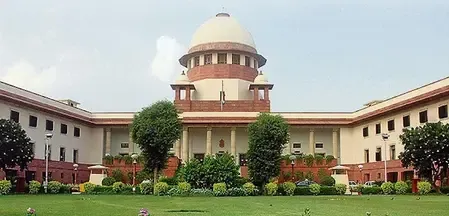
Punjab Chief Minister Bhagwant Mann has pledged full compliance with a Supreme Court order dated 19 May 2026, committing to remove stray dogs from public spaces, build adequate shelters, and permit euthanasia for rabid or dangerously aggressive animals under existing animal-welfare law.
Key Takeaways
Punjab CM Bhagwant Mann announced on 22 May 2026 that the state will follow the Supreme Court order of 19 May 2026 on stray dog management 'in letter and spirit'.
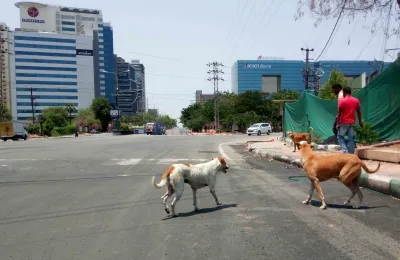
Stray dogs will be removed from all high-footfall public spaces to protect children, senior citizens and families.
The state will create and maintain adequate dog shelters for the humane care of removed animals.
Euthanasia is permitted for dogs that are rabid, incurably ill, or demonstrably dangerous , strictly under the Prevention of Cruelty to Animals Act and ABC Rules .
Municipal bodies across Punjab will be responsible for operationalising shelters and enforcement on the ground.
Compliance affidavits before the Supreme Court are expected to serve as the next formal accountability milestone.
Punjab Chief Minister Bhagwant Mann announced on Friday, 22 May 2026 that the state government will implement in 'letter and spirit' the Supreme Court order dated 19 May 2026 on stray dog management, committing to remove dogs from high-footfall public spaces and take legally permissible action — including euthanasia — against rabid or dangerously aggressive animals.
Context
In his post on X, Bhagwant Mann outlined a two-pronged response to the Supreme Court's directive. First, stray dogs will be removed from all high-footfall public spaces — including areas frequented by children, senior citizens and families — and housed in adequately maintained shelters. Second, 'legally permissible measures, including euthanasia' will be applied strictly in cases involving rabid, incurably ill, or demonstrably dangerous dogs, in accordance with the Prevention of Cruelty to Animals Act and the Animal Birth Control (ABC) Rules.
The announcement directly follows the apex court's order of 19 May 2026, which the Punjab government says it received and reviewed before committing to compliance. The state's public statement signals an intent to move swiftly on implementation rather than await further judicial prodding.
Policy Backdrop
India's framework for stray dog management rests on the Animal Birth Control (Dogs) Rules, 2001, which mandate sterilisation, vaccination and humane handling of street dogs across all municipalities. The rules prohibit mass culling but carve out space for euthanasia of animals that are rabid, terminally ill or pose a verified threat to human life.
The Supreme Court of India has, over successive decades, directed state governments to implement these rules while balancing citizen safety with statutory animal-welfare obligations. Punjab, like other states, has faced persistent public complaints about stray dog attacks in urban and semi-urban areas, making the court's latest order a pressure point for the Aam Aadmi Party government to demonstrate administrative responsiveness.
Stakeholders and Impact
Urban residents — particularly parents of young children and elderly citizens — stand to benefit most directly from the removal of stray dogs from busy public spaces such as markets, parks and transport hubs. Animal welfare organisations, however, are likely to scrutinise the euthanasia provision closely, demanding that the 'demonstrably dangerous' threshold be applied with documented evidence and due process rather than as a blanket measure.
Municipal bodies across Punjab will bear the operational burden: sourcing land, funding, and trained personnel to build and run the dog shelters the Chief Minister has promised. The capacity and timeline for these shelters will determine whether the order translates into durable relief or remains a policy statement.
What's Next
Attention will now turn to rollout timelines — specifically when new dog shelters become operational and how the state defines 'high footfall' zones for enforcement purposes. The government may be required to file a compliance affidavit before the Supreme Court detailing steps taken, which will serve as the next formal accountability checkpoint. How Punjab reconciles the humane-management mandate of the ABC Rules with the euthanasia provision will be watched closely by both animal-rights advocates and civic groups pressing for safer streets.
Point of View
The government attempts to pre-empt both citizen frustration and animal-welfare litigation simultaneously. The real test, however, lies in municipal execution: shelter capacity, trained personnel and documented enforcement protocols will determine whether this announcement holds up to judicial scrutiny. Punjab's approach will likely be watched by other states facing similar court pressure on urban stray-animal management.
NationPress
7 Oct 2026
Frequently Asked Questions
What did the Supreme Court order on 19 May 2026 say about stray dogs?
The precise text of the Supreme Court order dated 19 May 2026 has not been made public in full, but Punjab CM Bhagwant Mann stated it directs states to remove stray dogs from high-footfall public spaces and take legally permissible action, including euthanasia, against rabid or dangerous animals.
Will stray dogs in Punjab be killed under the new order?
Euthanasia is permitted only in specific, legally defined cases — dogs that are rabid, incurably ill, or demonstrably dangerous and aggressive — and must follow the Prevention of Cruelty to Animals Act and the Animal Birth Control Rules. It is not a blanket culling order.
What are the Animal Birth Control (ABC) Rules in India?
The Animal Birth Control (Dogs) Rules, notified in 2001, require municipalities to sterilise, vaccinate and humanely manage stray dogs. They prohibit indiscriminate killing but allow euthanasia for animals that are terminally ill or pose a verified threat to human life.
Where will stray dogs removed from public spaces in Punjab be kept?
CM Bhagwant Mann has committed to creating and maintaining an adequate number of dog shelters across Punjab where removed stray dogs will be cared for properly, though specific locations and timelines have not yet been announced.
How will Punjab's compliance with the Supreme Court stray dog order be monitored?
State governments are typically required to file compliance affidavits before the Supreme Court detailing steps taken. The rollout of dog shelters and enforcement in designated public spaces will be the key metrics the court is expected to review.