Raghav Chadha Hails Pilot Smit Machchhar Who Saved Flight After Co-pilot Attack
Synopsis
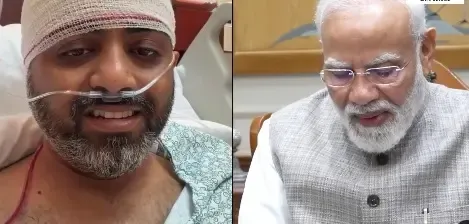
Captain Smit Machchhar was stabbed by his co-pilot mid-flight but opened the cockpit door while bleeding, saving everyone on board. AAP MP Raghav Chadha shared his account after witnessing an emotional meeting between the captain and PM Modi on 2 October 2026.
Key Takeaways
Captain Smit Machchhar was stabbed by his co-pilot during a flight and sustained serious injuries.
Despite being badly wounded, he opened the cockpit door, allowing passengers and crew to intervene and saving everyone on board.
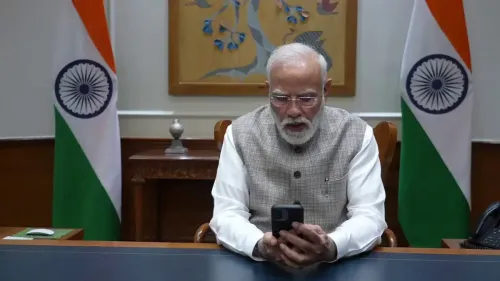
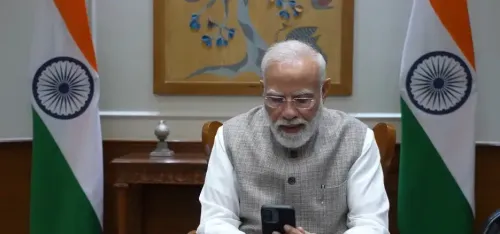
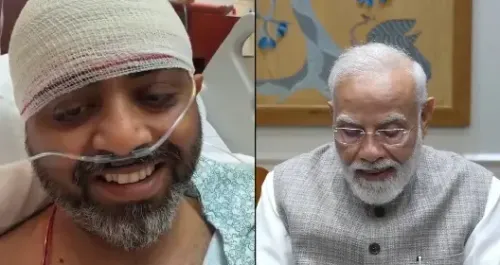
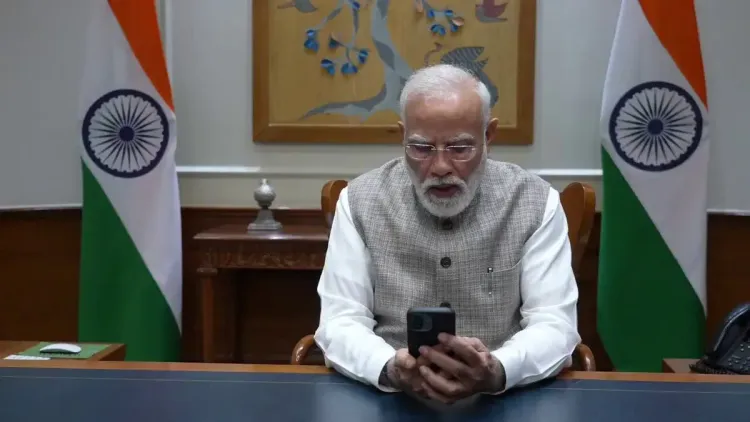
AAP Rajya Sabha MP Raghav Chadha shared the account on 2 October 2026 , calling it an act that 'saved everyone on board.' Captain Machchhar was seen speaking with Prime Minister Narendra Modi , visibly emotional throughout the interaction.
The incident highlights both an extreme security failure and an extraordinary display of individual heroism in Indian aviation.
Stabbed by his own co-pilot mid-flight, Captain Smit Machchhar still fought his way to the cockpit door — bleeding, gravely hurt — and opened it so passengers and crew could intervene. That single act of extraordinary courage saved every life on board.
AAP Rajya Sabha MP Raghav Chadha shared the account on Friday, 2 October 2026, after watching Captain Machchhar speak directly with Prime Minister Narendra Modi. 'He was holding back tears the whole time,' Chadha wrote — a quiet detail that landed harder than any dramatic headline could.
What Captain Machchhar Did Inside That Cockpit
The sequence, as Chadha recounted it, is stark: the co-pilot turned on his captain with a knife. Machchhar absorbed the attack — wounded, weakened — and still managed to unlock and open the cockpit door. That door is normally a last line of defence; in this moment, opening it was the only way to save the aircraft. Passengers and crew streamed in and the situation was brought under control.
It is a reminder that aviation safety, for all its checklists and redundancies, still rests, at its extremity, on one person choosing to act when it is hardest to act.
PM Modi's Call and a Pilot Holding Back Tears
Chadha's post carries something beyond the drama of the incident — it captures the emotional aftermath. A decorated pilot, the kind of man trained to project calm at 30,000 feet, struggled to keep his composure in front of the Prime Minister. The meeting between Machchhar and PM Modi signals that the government has taken formal note of his bravery; such direct calls from the Prime Minister to an individual citizen are rare and carry the weight of national recognition.
No further details about the flight, the airline, or the current condition of the co-pilot are available from the post or verified research at this stage.
A Nation's Salute to a Wounded Hero
India has seen its share of wartime and peacetime heroes recognised at the highest levels, but the image Chadha paints is unusually intimate — not a formal ceremony, not a medal on a stage, but a man quietly overcome while speaking to his Prime Minister. It is, perhaps, the most human measure of just how close the catastrophe came, and how much it cost the person who stopped it.
Captain Smit Machchhar did not just fly a plane. He took a blade, stayed on his feet, and kept a door open for everyone else. The least a country can do is remember his name.
Point of View
Where the two-crew model assumes absolute mutual trust. Captain Machchhar's decision to open the cockpit door — normally the most secured boundary in civil aviation — inverted every standard procedure in the most extraordinary circumstances. That PM Modi took the time for a direct personal call underscores the government's awareness that this story has deep public resonance. Expect renewed scrutiny of crew psychological screening and incident-reporting frameworks at aviation regulators in the coming weeks.
NationPress
2 Oct 2026
Frequently Asked Questions
Who is Captain Smit Machchhar?
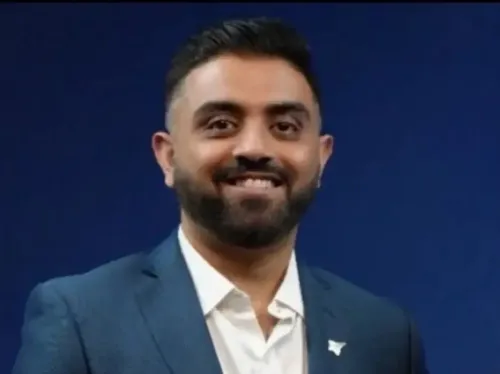
Captain Smit Machchhar is an Indian commercial pilot who was stabbed by his co-pilot mid-flight. Despite his injuries, he opened the cockpit door to allow passengers and crew to intervene, saving everyone on board.
What happened on Captain Smit Machchhar's flight?
According to AAP MP Raghav Chadha's account, the co-pilot attacked Captain Machchhar with a knife inside the cockpit. Badly wounded, Machchhar still managed to open the cockpit door so crew and passengers could step in and take control of the situation.
Did PM Modi meet Captain Smit Machchhar?
Yes. AAP Rajya Sabha MP Raghav Chadha posted on 2 October 2026 that he watched Captain Machchhar speak with Prime Minister Narendra Modi, describing the pilot as visibly emotional and 'holding back tears the whole time.'
Why did Raghav Chadha post about Captain Smit Machchhar?
Raghav Chadha, an AAP Rajya Sabha MP and party spokesperson, shared the account after apparently being present or witnessing the exchange between Captain Machchhar and PM Modi, calling the captain's act of opening the cockpit door the decisive move that saved all lives on board.
What does the cockpit attack mean for Indian aviation security?
The incident raises serious questions about crew psychological screening and in-flight security protocols. It is among the most extreme cockpit security failures in recent Indian aviation history, likely to prompt regulatory review of crew vetting processes.