Rahul Gandhi Launches 'Satyagraha' to Map India's Untold Struggles

Synopsis
Rahul Gandhi launched 'Satyagraha' on 3 October 2026 — a digital platform where Indians facing injustice can submit two-minute stories that appear on a national map, with Gandhi pledging parliamentary and street-level action as Leader of the Opposition.
Key Takeaways
Satyagraha platform launched by Rahul Gandhi on 3 October 2026 at rahulgandhi.in/satyagraha .
Citizens — including Gen Z, students, farmers, Adivasis, Dalits, and women — are invited to submit their injustice stories in roughly two minutes .
All stories appear as pins on a nationwide map , making dispersed struggles visible to one another.
Gandhi pledged to act in Parliament, on the street, and through direct written advocacy on submitted stories.
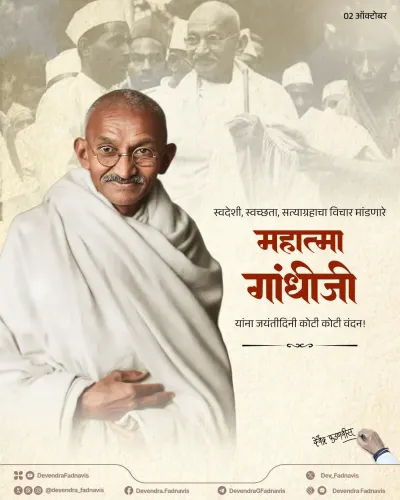
The initiative is named after Mahatma Gandhi's Satyagraha doctrine, reframing it as collective digital solidarity.
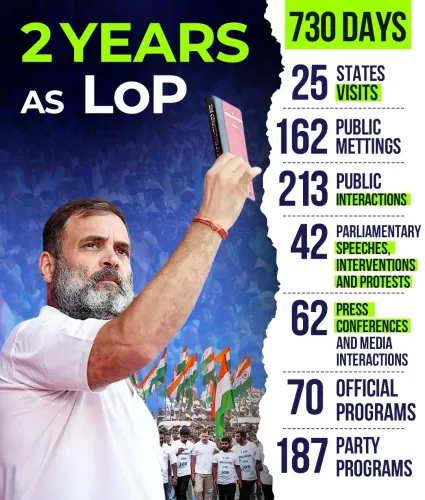
Gandhi described acting on these stories as his formal responsibility as Leader of the Opposition .
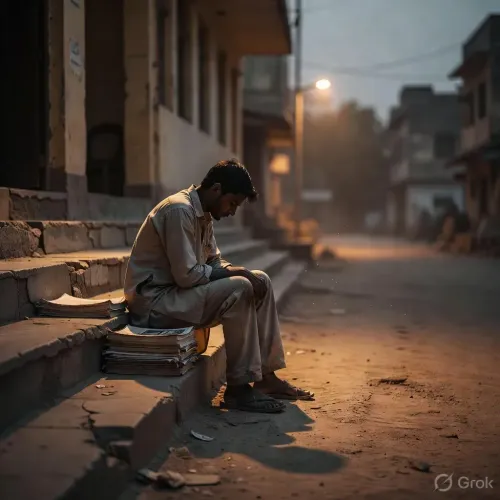
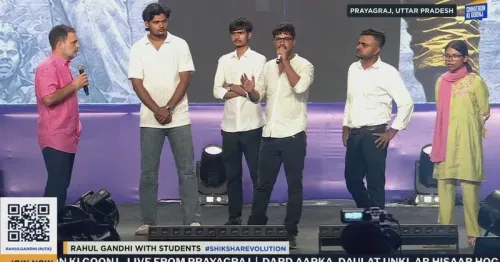
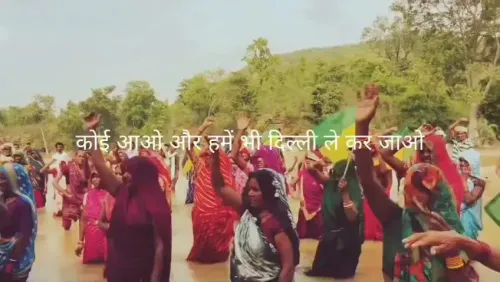
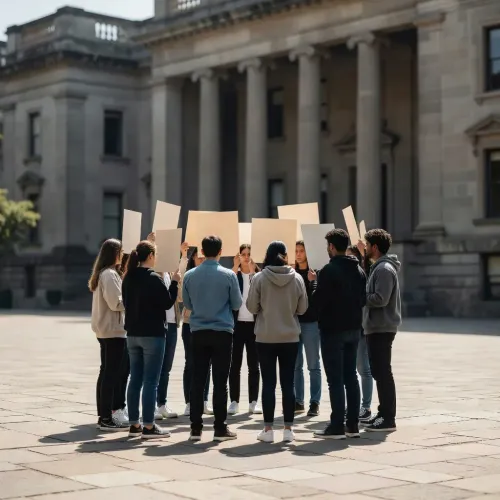
Across India, people are fighting alone — Gen Z students, farmers, Adivasis, Dalits, women — each carrying a battle the country rarely hears about. On Saturday, 3 October 2026, Congress leader and Leader of the Opposition Rahul Gandhi announced 'Satyagraha,' a citizen-driven initiative designed to bring every isolated voice onto a single, shared map.
Posting in Hindi, Gandhi framed the initiative around a central insight: 'jo awaaz akeli uthti hai, wo aksar dab jaati hai' — 'a voice that rises alone is often silenced.' The Satyagraha platform, accessible at rahulgandhi.in/satyagraha, invites anyone facing injustice to submit their story in roughly two minutes. Those stories then appear as pins on a nationwide map, making visible — to one another — how many people share similar struggles.
Gandhi's Gandhian Framing: Truth as Weapon, Unity as Amplifier
The initiative deliberately borrows its name and its moral grammar from Mahatma Gandhi. 'Bapu taught us this — truth is the greatest weapon,' Rahul Gandhi wrote. 'But even greater than truth is standing together in truth.' The phrase is a deliberate restatement of the original Satyagraha doctrine — not passive resistance, but collective moral force — repackaged for a digital, fragmented era where grievances trend separately and die quickly.
The map metaphor is the sharpest design choice: it turns invisibility into visibility, and atomised pain into a pattern. When a farmer in Vidarbha and a Dalit student in Rajasthan see their pins land near dozens of others, the isolation breaks — and so, potentially, does the silence.
What Gandhi Pledges to Do With the Stories
Gandhi drew a direct line between the platform and his constitutional role, committing to act 'in Parliament, on the street, through letters, wherever I am needed — standing with you — this is my responsibility as Leader of the Opposition.' The pledge spans three distinct registers: legislative (raising issues in the Lok Sabha), agitational (street-level solidarity), and personal (direct written advocacy). It is a rare public commitment by an opposition leader to treat citizen-submitted grievances as a structured part of his parliamentary workload.
A Digital Front for India's Dispersed Dissent
The platform arrives at a moment when India's protest landscape is notably scattered. Farmers' agitations, students pushing back against exam systems, Adivasi communities resisting land displacement, and Dalit assertion movements each occupy separate news cycles and rarely intersect in public consciousness. By aggregating their stories under one name — and one that carries constitutional legitimacy through the Leader of the Opposition — Satyagraha makes a structural argument: these are not separate problems but facets of a single accountability deficit.
Whether the platform generates lasting political traction will depend on how many stories actually flow in — and whether the parliamentary interventions Gandhi promises follow. The map is live. The clock, for those promises, starts now.
Point of View
Gandhi is attempting to institutionalise dissent rather than merely react to it. The Gandhian branding is calculated: it lends moral authority and cross-caste, cross-class appeal to what is functionally a data-collection and political mobilisation tool. The real test is follow-through — if Parliament records show a surge in zero-hour notices and starred questions tied to Satyagraha submissions, the platform becomes a genuine accountability mechanism; if they do not, it risks being remembered as a 2026 campaign app.
NationPress
3 Oct 2026
Frequently Asked Questions
What is Rahul Gandhi's Satyagraha platform?
Satyagraha is a digital initiative launched by Rahul Gandhi on 3 October 2026 where Indian citizens facing injustice can submit their stories in about two minutes at rahulgandhi.in/satyagraha . The stories are displayed as pins on a national map so that people with similar struggles can see each other.
How can I submit my story to Rahul Gandhi's Satyagraha?
You can submit your story by visiting rahulgandhi.in/satyagraha . Gandhi says the process takes roughly two minutes , and once submitted, your story will appear on a nationwide map alongside others fighting similar battles.
What will Rahul Gandhi do with Satyagraha stories?
Gandhi has pledged to raise the issues in Parliament , join street-level protests, write letters, and offer personal presence 'wherever needed.' He described this as his formal responsibility as Leader of the Opposition in the Lok Sabha.
Why is the initiative called Satyagraha?
The name references Mahatma Gandhi's philosophy of Satyagraha — truth-force or moral resistance. Rahul Gandhi invoked Bapu directly, arguing that while truth is the greatest weapon, standing together in truth is even more powerful.
Who is the Satyagraha platform meant for?
Gandhi specifically mentioned Gen Z, students, farmers, Adivasis, Dalits, and women as target groups — communities he says are often fighting injustice in isolation. The platform is open to any Indian citizen facing what they consider an injustice.