Ram Mandir donation theft: Photo places accused inside Ayodhya cash counting room
Synopsis
A photograph placing two accused directly inside the Ram Mandir's cash counting room has become the first visual evidence in the Ayodhya donation theft case. With eight arrests, a compromised CCTV setup, a rushed recruitment process, and an alleged cover-up by a supervisor who told a whistleblower 'God is watching', the probe is now closing in on the Trust's own administrative chain.
Key Takeaways
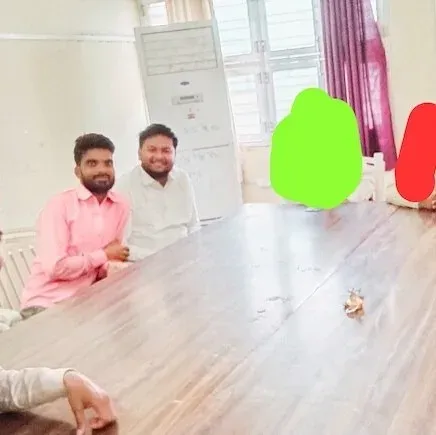
A photograph reportedly shows accused Avinash Shukla and Anukalp Mishra inside the Ram Mandir cash counting facility in Ayodhya .
Eight people have been arrested, including retired bank employee Subhash Srivastava , who oversaw the counting process.
The Ram Mandir Trust recruited 10 new employees in March 2025 ; all were reportedly interviewed by trustee Anil Mishra , himself an accused.
CCTV monitoring was allegedly left unmanned, allowing the accused to act openly after realising no one was watching.
The theft reportedly first surfaced in February when a team member raised the alarm — and was allegedly brushed off by supervisor Subhash Srivastava .
Jewellery donations were reportedly never systematically recorded, making them easier to misappropriate.
A photograph reportedly placing two of the accused — Avinash Shukla and Anukalp Mishra — inside the cash counting facility of the Ram Mandir in Ayodhya has emerged as a key piece of evidence in the ongoing donation theft investigation. The image, obtained by investigators, is believed to be the first visual proof directly linking the two men to the room where devotees' offerings were processed.
Who Has Been Arrested
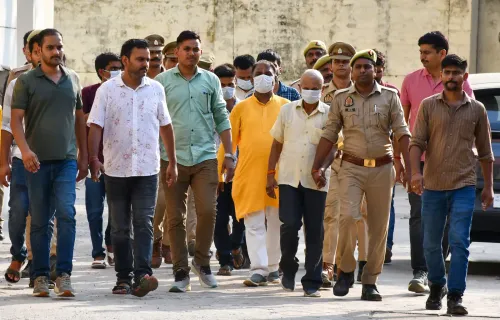
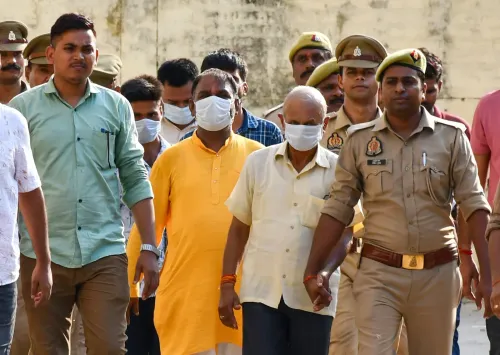
A total of eight people have been arrested so far in connection with the case. Besides Avinash Shukla and Anukalp Mishra, those in custody include Tinnu Yadav, Lav Kush Mishra, Manish Kumar Yadav, Karunesh Pandey, Ramashankar Mishra, and Subhash Srivastava. The accused were reportedly posted at two separate counting centres operating within the temple complex.
How the Theft Allegedly Occurred
According to police sources, the accused allegedly exploited critical gaps in the temple's surveillance setup. The CCTV control room was reportedly left unmonitored during the initial period, enabling those involved to remove cash without immediate detection. Footage is said to show some accused taking money from the counting area — initially attempting to avoid cameras, then acting openly once they realised no one was actively watching the feeds.
The main counting facility was located in the basement of the Pilgrim Facilitation Centre (PFC) building, which also housed the CCTV monitoring room, a staff dining area, and a State Bank of India (SBI) counter where counted cash was deposited. A second counting centre operated from a police post inside the temple premises, where the newly recruited employees — including several of the accused — were primarily assigned.
Recruitment Process Under Scrutiny
Investigators have turned their attention to how the accused came to be employed at the temple. According to the probe, then Ram Mandir Trust General Secretary Champat Rai — who has since resigned — had reportedly delegated full authority over the recruitment of cash-counting staff to trustee Anil Mishra, who is also named as an accused. The Trust recruited 10 new employees in March 2025 following a surge in devotees after the Kumbh pilgrimage. All applicants were reportedly interviewed by Anil Mishra after being referred by Champat Rai; candidates met Mishra on 4 March and received appointment letters just two days later.
Notably, the newly appointed employees were initially not issued official identity cards and were instead allowed entry using only duty sheets issued by the Trust. Each was reportedly paid a monthly salary of ₹18,000 and worked shifts from 9 am to 5 pm.
Security Lapses and Oversight Failures
Despite security arrangements that included personnel from SIS Security and, on certain occasions, CRPF personnel, investigators allege that surveillance remained inadequate. Although two or three staff members were assigned to monitor CCTV feeds, they were reportedly often absent from the monitoring room. The CCTV display screen was situated in the same room where cash was counted, yet effective oversight was reportedly lacking.
Retired bank employee Subhash Srivastava, one of the accused, was responsible for overseeing the counting process — receiving money from donation boxes, supervising counting, and ensuring funds were handed to SBI. According to sources, the theft first came to light in February when a member of the counting team alerted Srivastava that money was being stolen. Srivastava allegedly responded: 'God is watching, it's not as if it's going from your or my house.' Investigators also noted that jewellery donations were never systematically recorded, reportedly making them easier to misappropriate.
What Happens Next
With photographic evidence now in hand and the recruitment chain traced back to senior Trust figures, investigators are expected to widen the scope of the probe. The case has raised pointed questions about institutional oversight at one of India's most prominent religious sites, and pressure is mounting on the Ram Mandir Trust to demonstrate accountability in its administrative processes.
Point of View
But as a window into systemic failure at one of India's highest-profile religious institutions. The recruitment chain — referrals from a General Secretary to a trustee who is now himself accused — raises questions that go beyond individual wrongdoing. What is missing from most coverage is the whistleblower moment: a team member flagged the theft to a supervisor in February, was allegedly dismissed with a theological shrug, and the stealing continued. That is not a surveillance failure; it is a governance failure. The Ram Mandir Trust's credibility now rests on whether accountability travels up the chain or stops with the eight already arrested.
NationPress
2 Oct 2026
Frequently Asked Questions
What is the Ram Mandir donation theft case?
The Ram Mandir donation theft case involves the alleged stealing of cash from the donation counting facility at the Ram Mandir in Ayodhya. Eight people have been arrested so far, and investigators have obtained a photograph placing two of the accused inside the cash counting room.
Who are the accused in the Ram Mandir theft case?
The eight arrested accused are Avinash Shukla, Anukalp Mishra, Tinnu Yadav, Lav Kush Mishra, Manish Kumar Yadav, Karunesh Pandey, Ramashankar Mishra, and Subhash Srivastava. Trustee Anil Mishra, who reportedly conducted recruitment interviews, is also named in the probe.
How did the accused allegedly steal donations without being caught?
According to police sources, the CCTV monitoring room was left unattended, allowing the accused to remove cash undetected. They initially tried to avoid cameras but later acted openly after realising the surveillance feeds were not being actively watched.
What role did the recruitment process play in the alleged theft?
Investigators say the Ram Mandir Trust recruited 10 new employees in March 2025, with all candidates reportedly referred by then General Secretary Champat Rai and interviewed solely by trustee Anil Mishra. Several of those recruits are now among the accused, and the lack of proper identity cards on joining is seen as a security lapse.
When did the theft first come to light?
The theft was reportedly first flagged internally in February, when a member of the counting team informed supervisor Subhash Srivastava that money was being stolen. Srivastava allegedly dismissed the concern, and the matter only came to official attention later.