Sabarimala road gets ₹15 crore upgrade; 4.5-km stretch done in 30 days

Synopsis
A nine-month road project finished in 30 days: Kerala's PWD widened and upgraded the critical 4.5-km Chalakayam-Pamba stretch for ₹15 crore, beating the festival season deadline by completing a task that should have taken nine months — and the government is now holding it up as a blueprint for fast-tracking public infrastructure.
Key Takeaways
The Chalakayam-Pamba stretch of the Sabarimala pilgrimage road received a ₹15 crore renovation ahead of the 14 November 2024 festival season.
The 4.5-km road was widened to 12 metres and fitted with crash barriers, signboards, and interlocking blocks.
Work began on 13 October and was completed on 13 November — a nine-month project delivered in 30 days .
The road was transferred from the Travancore Devaswom Board to the Kerala PWD on 14 August 2024 .
Public Works Minister P.K.
Basheer called the project a model for fast-tracking public infrastructure.
The Chalakayam-Pamba stretch of the main Sabarimala pilgrimage road in Pathanamthitta has undergone a ₹15 crore renovation, with the Kerala Public Works Department (PWD) completing the 4.5-km upgrade in just 30 days — well ahead of the two-month temple festival season that commenced on Tuesday, 14 November. The accelerated overhaul is expected to ease access and improve safety for the hundreds of thousands of pilgrims who converge on Pamba, the base camp for the final trek to the hill shrine.
Scope of the Renovation
The road has been rebuilt to modern standards and widened to 12 metres. Safety infrastructure installed along the corridor includes signboards, crash barriers, and road markings at key locations. Additional safeguards have been placed at sharp curves and accident-prone zones, while concrete interlocking blocks have been laid along both sides of the carriageway.
Two construction teams worked simultaneously from opposite ends of the stretch to meet the compressed timeline. Work continued even during the seven days when the temple was open for rituals, with police deployed to regulate traffic around active construction zones.
A Nine-Month Job Finished in One Month
The project had a stipulated completion period of nine months, yet ground work began only on 13 October and was wrapped up by 13 November. Administrative sanction was granted on 17 September, with the tender process concluded by 30 September. The PWD overcame significant hurdles along the way, including a shortage of bitumen, delays in procuring construction materials, traffic restrictions, and adverse weather conditions.
The road, which was previously under the Travancore Devaswom Board, was formally handed over to the PWD on 14 August as part of broader preparations for the pilgrimage season.
What the Government Said
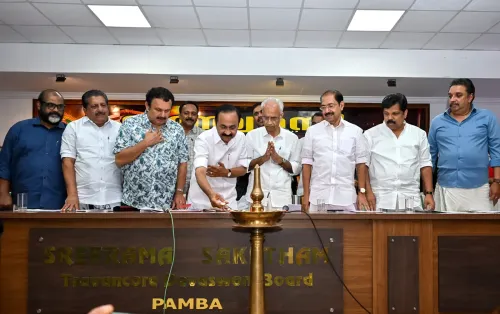
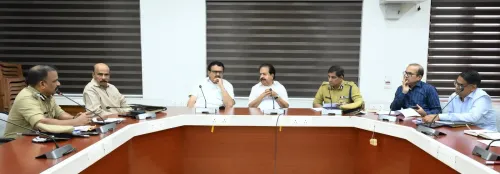
Public Works Minister P.K. Basheer described the project's completion in 30 days as 'a major achievement.' He credited inter-departmental coordination and the support of Chief Minister V.D. Satheesan — who had chaired the review meeting at which the urgent renovation was sanctioned — for making it possible to deliver a nine-month project in a fraction of the time.
Minister Basheer added that the Sabarimala road project would 'serve as a model for other projects of public importance,' arguing that major infrastructure works could be completed within tight deadlines through effective coordination and the involvement of capable contractors.
Impact on Pilgrims This Season
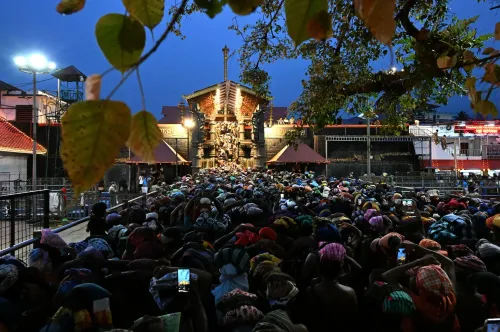
The Chalakayam-Pamba corridor is a critical artery: virtually every road-bound pilgrim heading to Sabarimala passes through it before the ascent to the shrine. The widened carriageway and improved safety features are expected to reduce congestion and minimise accident risk during the season's peak rush. Notably, this upgrade comes after years of complaints from pilgrims and transport operators about the road's deteriorating condition.
With the festival season now underway, authorities will be watching whether the infrastructure improvements translate into smoother crowd management on the ground.
Point of View
And the Travancore Devaswom Board handover to the PWD happened in August, leaving a narrow window that was almost missed. The minister's framing of this as a 'model' is politically convenient, but the real lesson may be that routine maintenance and timely planning could have avoided the need for a crash programme altogether. If the government is serious about replicating this model, it should institutionalise pre-season infrastructure audits — not celebrate the firefighting.
NationPress
14 Nov 2026
Frequently Asked Questions
What is the Sabarimala road renovation project completed in November 2024?
It is a ₹15 crore upgrade of the 4.5-km Chalakayam-Pamba stretch of the main Sabarimala pilgrimage road in Pathanamthitta, Kerala. The Kerala PWD widened the road to 12 metres and installed crash barriers, signboards, and interlocking blocks, completing the work in 30 days ahead of the November 2024 festival season.
How was a nine-month project completed in just 30 days?
Two construction teams worked simultaneously from opposite ends of the stretch, including during the seven days the temple was open for rituals. Inter-departmental coordination, police assistance for traffic management, and Chief Minister V.D. Satheesan's direct oversight helped compress the timeline, despite challenges including a bitumen shortage and adverse weather.
Why was the Chalakayam-Pamba road transferred to the PWD?
The road was previously managed by the Travancore Devaswom Board and was handed over to the Kerala Public Works Department on 14 August 2024 as part of preparations for the Sabarimala pilgrimage season. The transfer was intended to enable a faster and better-resourced renovation.
How does the upgraded road benefit Sabarimala pilgrims?
The Chalakayam-Pamba corridor is the key road link for pilgrims travelling to Pamba, the base point for the trek to the Sabarimala shrine. The wider carriageway, crash barriers, and improved markings are expected to reduce congestion and lower accident risk during the peak pilgrimage rush.
What did Public Works Minister P.K. Basheer say about the project?
Minister P.K. Basheer called the 30-day completion 'a major achievement' and said the project would serve as a model for other public infrastructure works. He credited effective inter-departmental coordination, capable contractors, and Chief Minister V.D. Satheesan's support for the accelerated delivery.