CM Saini Meets Singapore FM Balakrishnan, Eyes Haryana Ties
Synopsis
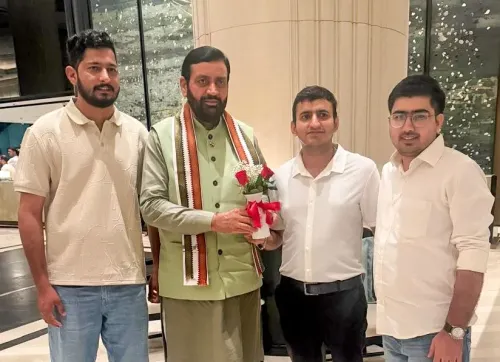
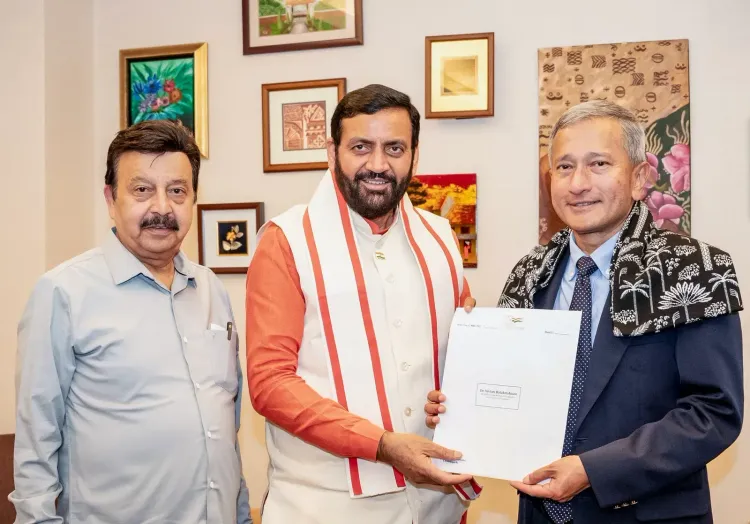
Haryana Chief Minister Nayab Singh Saini met Singapore Foreign Minister Dr. Vivian Balakrishnan on October 6, 2026, to strengthen bilateral ties across education, skill development, water management, urban planning, and technological innovation.
Key Takeaways
Haryana CM Nayab Singh Saini held a diplomatic meeting with Singapore FM Dr.
Vivian Balakrishnan on October 6, 2026 .
The five priority sectors discussed were education, skill development, water management, urban planning, and technological innovation .
Singapore has been one of the largest sources of FDI into India , and sub-national partnerships can accelerate investment flows.
Singapore's expertise in water recycling and smart-city governance is directly relevant to Haryana's urbanisation and groundwater challenges.
Balakrishnan has served as Singapore's Foreign Minister since 2015 , making him a key figure in deepening Singapore-India ties.
No formal agreements were announced, but the meeting sets a framework for official-level follow-up across the named sectors.
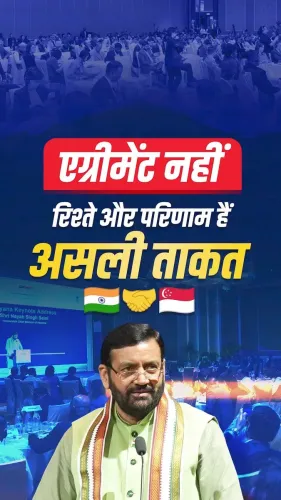
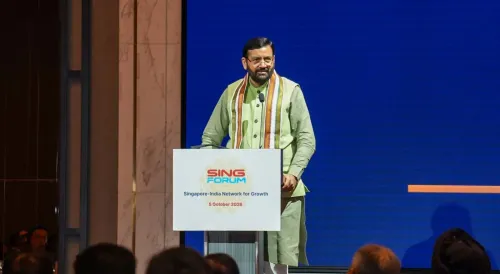
A state-level diplomatic meeting with global implications — Haryana Chief Minister Nayab Singh Saini held a warm, substantive meeting with Singapore's Foreign Minister Dr. Vivian Balakrishnan on Tuesday, October 6, 2026, signalling Haryana's intent to position itself as a destination for Southeast Asian expertise and investment.
Saini described the meeting as an 'aatmiy bhet' — a heartfelt, intimate engagement — aimed at injecting 'new energy' into Haryana-Singapore relations and deepening bilateral cooperation. The agenda was specific and purposeful: education, skill development, water management, urban planning, and technological innovation were the core domains on the table.
Why Singapore, Why Now
Singapore punches far above its size as a global partner for Indian states. Its governance model in urban infrastructure, water recycling, and technical education has made it a reference point for Indian policymakers for decades. For a state like Haryana — rapidly urbanising, with a young workforce and persistent water stress — Singapore's expertise is not an abstract aspiration but a practical toolkit.
The five sectors Saini named are not random. Haryana has been pushing hard on skill development through its industrial corridors. Urban planning is urgent given the explosive growth of Gurugram and Faridabad. And water management is a perennial political and ecological flashpoint across the state.
Dr. Balakrishnan's Role and the India-Singapore Frame
Dr. Vivian Balakrishnan has served as Singapore's Foreign Minister since 2015, making him one of the longest-serving foreign ministers in Asia. He has been a consistent champion of deepening Singapore-India ties, and his engagement at the sub-national level — meeting a state chief minister — underscores how seriously Singapore treats India's federal structure as an entry point for economic and technical partnerships.
India and Singapore share a Comprehensive Economic Cooperation Agreement (CECA), and Singapore remains one of the largest sources of foreign direct investment into India. State governments that build direct channels with Singapore can often accelerate approvals, pilot programmes, and investment flows that bypass slower central-level pipelines.
What Haryana Stands to Gain
Each sector named carries a concrete upside. Singapore's Institute of Technical Education model could inform Haryana's polytechnic upgrades. Its PUB water agency — famous for turning wastewater into potable 'NEWater' — is directly relevant to a state battling groundwater depletion. And Singapore's smart-city playbook, from sensor-integrated traffic systems to integrated townships, aligns with Gurugram's ambitions to shed its reputation for infrastructure chaos.
The meeting produced no signed agreements by the post's account, but that is rarely how diplomatic groundwork operates — the value lies in the mandate it creates for officials on both sides to follow through.
If the frameworks discussed translate into even one pilot programme, Haryana's industrialised belt could become a replicable model for other Indian states watching closely. The next move is in the bureaucrats' hands — and the clock is ticking.
Point of View
Bypassing the slower rhythms of central-government channels. Haryana's choice of Singapore as a partner is strategically sound — the city-state's models in water, skilling, and urban governance map almost precisely onto Haryana's most urgent developmental gaps. For the BJP government in Chandigarh, a visible international partnership also carries domestic political value, projecting administrative ambition ahead of the next electoral cycle. The real test will be whether this meeting produces concrete pilot projects or remains a well-photographed conversation.
NationPress
7 Oct 2026
Frequently Asked Questions
Why did Haryana CM Nayab Saini meet Singapore's Foreign Minister?
Haryana CM Nayab Singh Saini met Singapore FM Dr. Vivian Balakrishnan on October 6, 2026, to strengthen Haryana-Singapore relations and explore cooperation in education, skill development, water management, urban planning, and technological innovation.
Who is Singapore's Foreign Minister Vivian Balakrishnan?
Dr. Vivian Balakrishnan has been Singapore's Foreign Minister since 2015 and is one of Asia's longest-serving foreign ministers. He has been a consistent advocate for deepening Singapore-India ties at both national and sub-national levels.
What will Haryana gain from a partnership with Singapore?
Haryana could benefit from Singapore's expertise in water recycling technology, technical education models, and smart-city urban planning — all directly relevant to the state's challenges with groundwater depletion and rapid urbanisation in cities like Gurugram.
What is the India-Singapore economic relationship?
India and Singapore share a Comprehensive Economic Cooperation Agreement (CECA), and Singapore is one of the largest sources of foreign direct investment into India. State-level partnerships can help accelerate investment and technical collaboration.
Did Haryana sign any agreement with Singapore at this meeting?
No formal agreements were announced following the October 6 meeting. The engagement is described as a foundational diplomatic step aimed at setting the direction for future official-level cooperation across five priority sectors.