CM Saini to carry Sant Ravidas birthplace soil to every Haryana home
Synopsis
Haryana Chief Minister Nayab Singh Saini has announced that sacred soil from Sant Guru Ravidas Ji's birthplace in Varanasi will be distributed to every district, city, village, and settlement across Haryana — a spiritually charged, politically significant outreach spanning all 22 districts.
Key Takeaways
Haryana CM Nayab Singh Saini announced on 4 August 2026 that sacred soil from Sant Guru Ravidas Ji's birthplace will reach every home in the state.
The initiative covers all 22 districts of Haryana — every city, village, and settlement.
Sant Guru Ravidas Ji , a 15th–16th century Bhakti poet-saint, is among the most revered figures for Dalit and Ravidassia communities across north India.
His birthplace, Shri Guru Ravidas Janam Asthan Mandir , is located in Seer Govardhanpur, Varanasi, Uttar Pradesh .
The Ravidassia community holds significant electoral weight in key Haryana districts including Ambala, Kurukshetra, Hisar , and Faridabad .
The announcement was accompanied by a video, signalling a formal, organised rollout rather than a symbolic gesture.
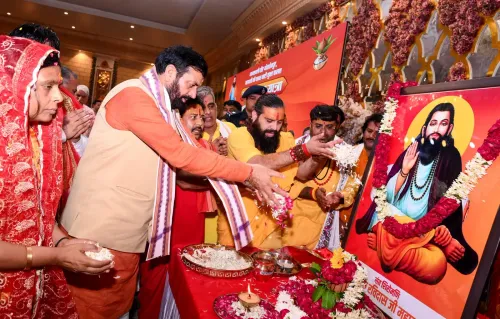
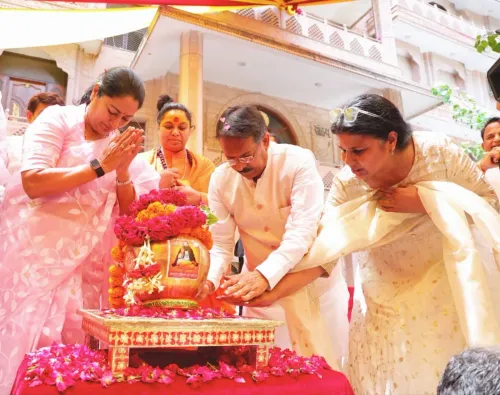
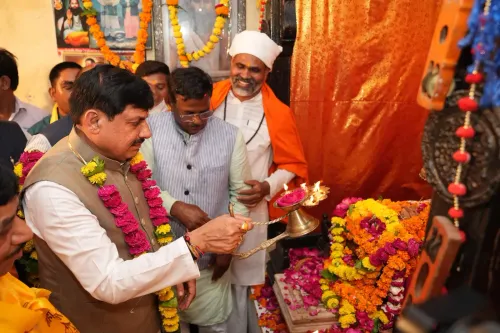
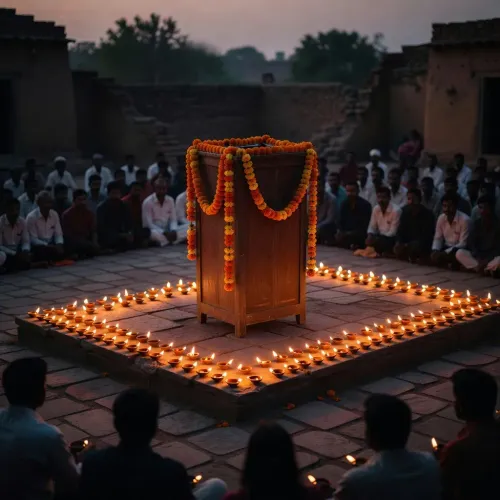
A pinch of sacred earth — from the birthplace of Sant Guru Ravidas Ji — is set to travel to every district, every city, every village, and every settlement across Haryana. Haryana Chief Minister Nayab Singh Saini announced on Tuesday, 4 August 2026, that the paavan mitti (sacred soil) from the saint's birthplace will reach each home in the state, a gesture steeped in devotion and unmistakable political symbolism.
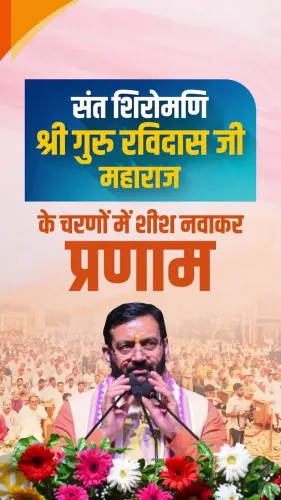
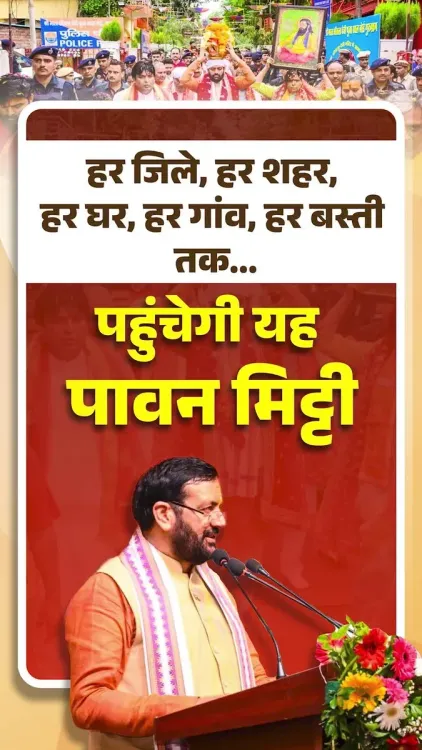
In his post, CM Saini wrote: 'The sacred soil of the birthplace of Sant Guru Ravidas Ji will reach every district, every city, every home, every village, and every settlement of Haryana.' The accompanying video underscores the ceremonial weight the initiative is being given.
Who was Sant Guru Ravidas — and why his birthplace matters
Sant Guru Ravidas, a 15th–16th century mystic poet-saint, is one of the most revered figures of the Bhakti movement. Born in Seer Govardhanpur, near Varanasi, Uttar Pradesh, he preached equality, human dignity, and devotion to God across caste lines. His verses are enshrined in the Guru Granth Sahib, and his following — particularly among Dalit communities — spans Punjab, Haryana, Himachal Pradesh, and the diaspora worldwide.
The birthplace in Varanasi is home to the Shri Guru Ravidas Janam Asthan Mandir, a site of deep pilgrimage significance. Soil from such a site carries immense spiritual resonance for devotees, making its distribution a powerful act of outreach.
What the soil-distribution drive signals in Haryana
Haryana has a substantial population of Scheduled Caste communities, who constitute a significant share of the state's electorate. The Ravidassia community, followers of Sant Ravidas, wield considerable social and electoral influence, particularly in districts such as Ambala, Kurukshetra, Hisar, and Faridabad.
A state-wide distribution of sacred soil — reaching every basti (settlement) — is a large-scale mobilisation effort that blends faith with governance outreach. It positions the BJP-led Haryana government firmly within a tradition of Dalit-saint veneration that has historically been contested political terrain in north India.
Scale of the outreach: every corner of the state
The language CM Saini used is deliberately exhaustive — 'har jile, har shahar, har ghar, har gaon, har basti' (every district, every city, every home, every village, every settlement). That five-fold repetition is not rhetorical accident. It signals a ground-level logistical operation, not a symbolic gesture limited to a rally or a capital-city event.
If executed at the scale announced, the initiative would represent one of the more ambitious community-outreach drives the Saini government has undertaken — touching Haryana's 22 districts and thousands of villages simultaneously.
Sacred soil has moved mountains in Indian politics before. Whether this moment becomes a milestone in Haryana's social fabric — or a preview of the state's next electoral conversation — will depend on what follows the announcement.
Point of View
Ground-level language ('every home, every settlement'), CM Saini is signalling administrative intent, not merely ceremonial sentiment. For Haryana, where SC voters can be decisive in dozens of assembly segments, this kind of faith-linked outreach carries real electoral weight. The move also fits a broader national BJP pattern of positioning the party as the natural custodian of Bhakti-tradition saints — from Kabir to Ravidas — as a bridge to communities that have historically been skeptical of upper-caste-dominated politics.
NationPress
19 Sept 2026
Frequently Asked Questions
What is Haryana CM Nayab Singh Saini's Sant Ravidas soil initiative?
CM Nayab Singh Saini announced that sacred soil from the birthplace of Sant Guru Ravidas Ji in Varanasi will be distributed to every district, city, village, and household across all 22 districts of Haryana.
Where is Sant Guru Ravidas Ji's birthplace located?
Sant Guru Ravidas Ji was born in Seer Govardhanpur, near Varanasi, Uttar Pradesh. The site is home to the Shri Guru Ravidas Janam Asthan Mandir, a major pilgrimage destination.
Who was Sant Guru Ravidas and why is he significant?
Sant Guru Ravidas was a 15th–16th century mystic poet-saint of the Bhakti movement who preached equality and devotion across caste lines. His verses are part of the Guru Granth Sahib, and he is especially revered by Dalit and Ravidassia communities across north India.
Why is the Ravidassia community important in Haryana politics?
The Ravidassia community, followers of Sant Ravidas, forms a significant portion of the Scheduled Caste electorate in Haryana, with strong presence in districts like Ambala, Kurukshetra, Hisar, and Faridabad — making them a key constituency in state elections.
When did CM Saini make this announcement?
CM Nayab Singh Saini made the announcement on Tuesday, 4 August 2026, via a post on X, accompanied by a video of the initiative.