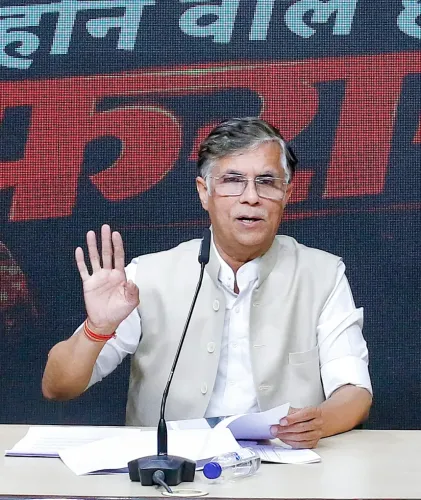
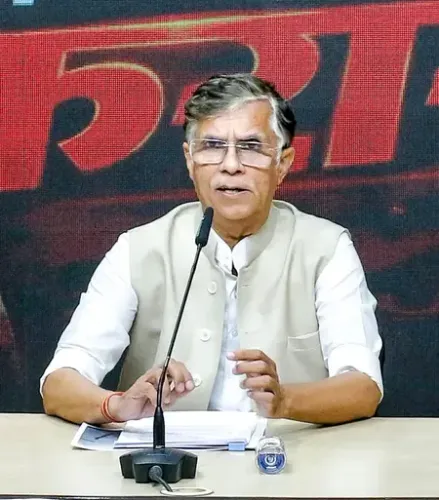
Supreme Court grants Pawan Khera anticipatory bail, calls case 'politically motivated'
Synopsis
The Supreme Court has granted anticipatory bail to Congress leader Pawan Khera in the Assam Police FIR case, calling the allegations prima facie 'politically motivated'. The ruling sets aside a Gauhati High Court order and places Chief Minister Himanta Biswa Sarma's own public statements on record as political context — a pointed judicial signal.
Key Takeaways
The Supreme Court on 1 May 2025 granted anticipatory bail to Congress leader Pawan Khera in the Assam Police FIR case.
The Bench of Justice J.K.
Maheshwari and Justice Atul S.
Chandurkar called the proceedings prima facie 'politically motivated' .
The Gauhati High Court's order denying pre-arrest protection was set aside; the court had incorrectly relied on Section 339 BNS , not invoked in the FIR.
Khera must cooperate with the probe, appear before police when required, not tamper with evidence, and not leave India without court permission.
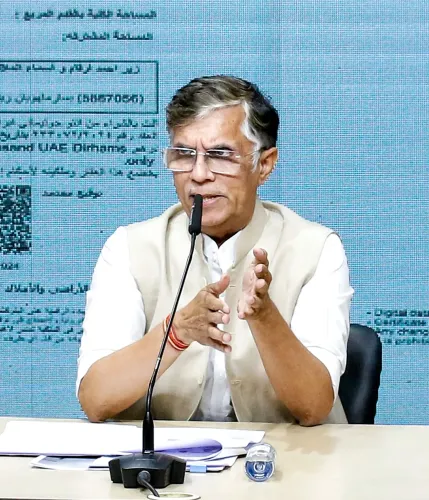
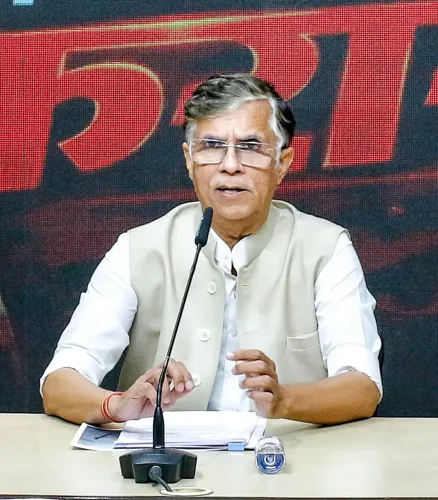
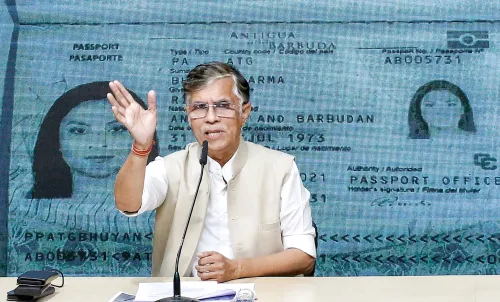
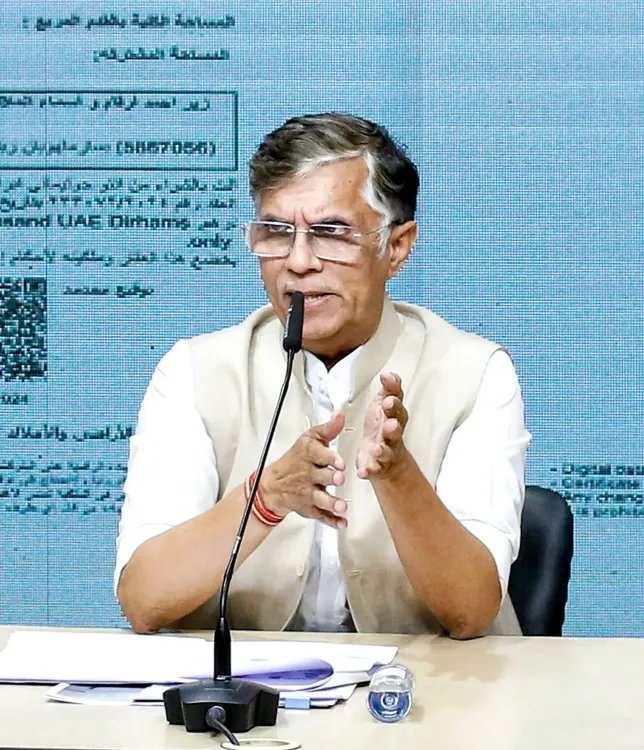
The FIR relates to Khera's 5 April press conferences in which he alleged that Riniki Bhuyan Sarma held multiple foreign passports and undisclosed foreign assets.
CM Himanta Biswa Sarma's public statements threatening action against Khera were placed on record by the apex court as relevant political context.
The Supreme Court on Friday, 1 May granted anticipatory bail to Indian National Congress (INC) leader Pawan Khera in connection with an FIR filed by the Assam Police over his alleged remarks against Riniki Bhuyan Sarma, wife of Assam Chief Minister Himanta Biswa Sarma. The apex court set aside the Gauhati High Court's earlier order that had denied him pre-arrest protection, observing that the proceedings appeared to be driven by political rivalry rather than a genuine need for custodial interrogation.
What the Supreme Court Ruled
A Bench of Justice J.K. Maheshwari and Justice Atul S. Chandurkar held that a careful balance must be struck between the state's interest in a fair investigation and an individual's fundamental right to personal liberty under Article 21 of the Constitution. The Bench directed that Khera be released on anticipatory bail in the event of arrest, subject to conditions imposed by the investigating officer.
The court was unambiguous in its assessment of the political backdrop.
Point of View
Effectively making the state's political intent part of the legal analysis. The Gauhati High Court's error in invoking a BNS provision not even cited in the FIR raises questions about the quality of judicial scrutiny at the first instance. More broadly, this case is a reminder that anticipatory bail jurisprudence under Article 21 remains one of the few effective guardrails against the misuse of police power in politically charged environments.
NationPress
15 Sept 2026
Frequently Asked Questions
Why did the Supreme Court grant anticipatory bail to Pawan Khera?
The Supreme Court granted anticipatory bail to Pawan Khera because it found the allegations prima facie politically motivated and not warranting custodial interrogation. The Bench held that individual liberty under Article 21 cannot be jeopardised lightly, especially in proceedings that appear coloured by political rivalry.
What was the Assam Police FIR against Pawan Khera about?
The FIR, registered by the Assam Crime Branch, relates to press conferences held by Khera on 5 April in Delhi and Guwahati, where he claimed Riniki Bhuyan Sarma held multiple foreign passports and undisclosed foreign assets. Riniki Sarma denied the allegations and alleged the documents shown were fabricated.
Why did the Supreme Court set aside the Gauhati High Court order?
The Supreme Court found that the Gauhati High Court had incorrectly shifted the burden of proof onto the accused and had relied on Section 339 of the Bharatiya Nyaya Sanhita — a provision not invoked in the FIR. The apex court described the High Court's order as erroneous.
What conditions has the Supreme Court placed on Pawan Khera?
Khera must cooperate with the investigation, appear before the police when required, not influence witnesses or tamper with evidence, and not leave India without prior permission of a competent court.
Who represented Pawan Khera and the Assam government in the Supreme Court?
Senior advocate Abhishek Manu Singhvi appeared for Pawan Khera, arguing the case amounted to defamation rather than an offence requiring custodial arrest. Solicitor General Tushar Mehta represented the Assam government, arguing custodial interrogation was necessary to trace the source of allegedly fabricated documents.