CM Himanta's Sewa Sankalp Abhiyan Reaches 50,000 Citizens
Synopsis
Assam CM Himanta Biswa Sarma reports that Sewa Sankalp Abhiyan has reached nearly 50,000 citizens across all 24 districts, resolving over 23,000 service requests by taking government services directly to doorsteps.
Key Takeaways
Close to 50,000 citizens have been reached under the Sewa Sankalp Abhiyan as of 3 October 2026 .
The campaign spans all 24 districts of Assam simultaneously.
Over 23,000 service requests have already been resolved mid-campaign.
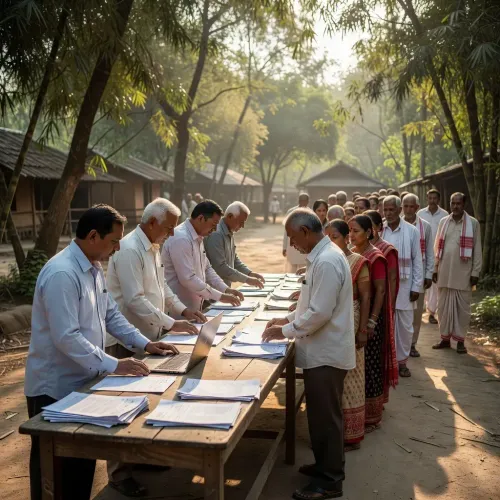
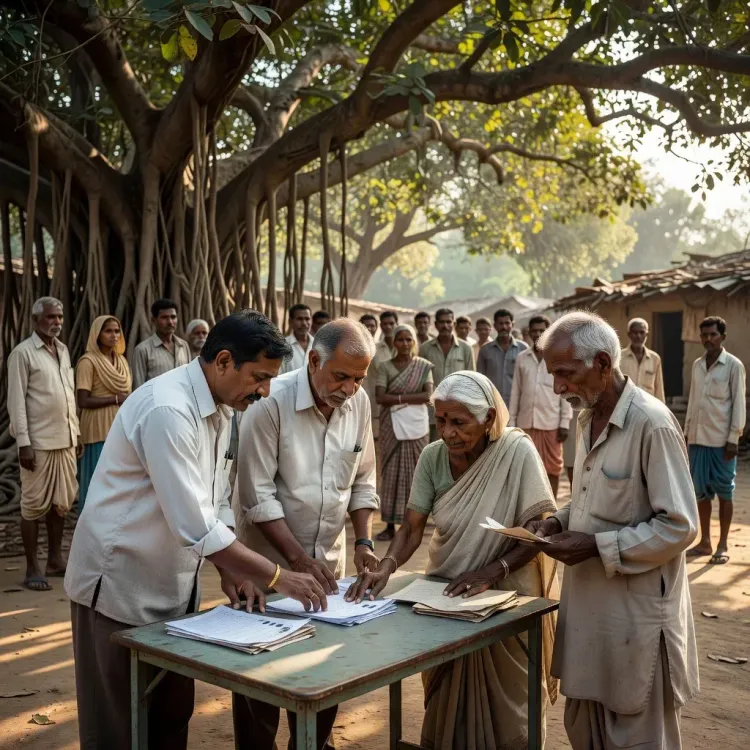
The drive aims to deliver government services directly at citizens' doorsteps, eliminating the need to visit offices.
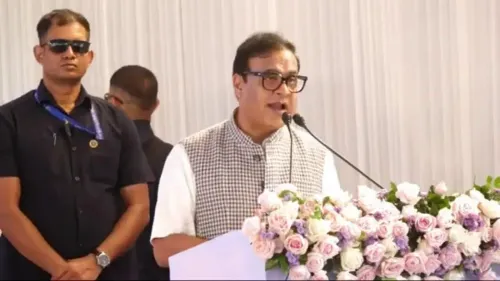
CM Himanta Biswa Sarma announced the update via his official X account.
Fifty thousand citizens. Twenty-four districts. More than half the service requests already resolved — and the drive is still running. Assam Chief Minister Himanta Biswa Sarma announced on Saturday, 3 October 2026 that the state government's Sewa Sankalp Abhiyan has crossed a significant milestone, taking government services directly to people's doorsteps across the state.
What Sewa Sankalp Abhiyan is doing on the ground
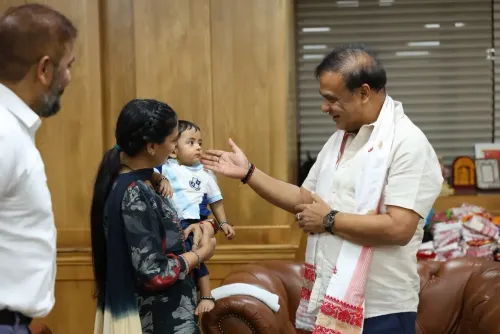
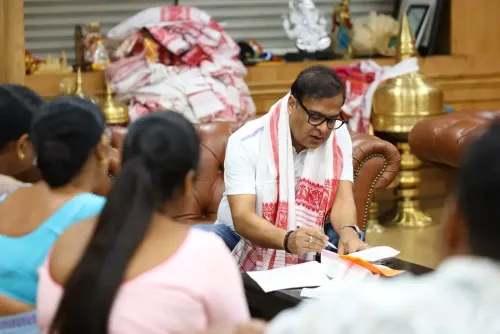
The campaign has reached close to 50,000 citizens spread across 24 districts of Assam. Of the service requests logged during the drive, over 23,000 have already been resolved — a resolution rate that signals active, on-ground execution rather than a paper exercise. The core premise is straightforward: instead of requiring residents to navigate government offices, the administration brings services to them.
Doorstep delivery of government services is a model that has gained traction across Indian states in recent years, particularly for welfare entitlements, documentation, and grievance redressal. Reaching 50,000 people across 24 districts in a single campaign sweep is a logistically intensive undertaking, requiring coordinated deployment of officials at the block and panchayat level.
Why the numbers matter for Assam's governance push
Assam is a state with significant rural and remote populations — riverine islands, hill belts, and areas with limited connectivity — where the gap between a citizen and a government office can be measured in hours, not minutes. A doorstep-service model directly addresses that friction. Resolving 23,000-plus requests mid-campaign suggests the pipeline is moving, not stalling.
Chief Minister Sarma has consistently framed last-mile delivery as a governance priority since taking office. Campaigns like Sewa Sankalp Abhiyan are designed to compress that last mile — turning passive welfare schemes into active outreach events where beneficiaries do not need to know which office to visit or which form to fill.
The sheer geographic spread — all 24 districts covered simultaneously — also signals a statewide political and administrative mobilisation, not a pilot confined to one region. As the numbers climb, the campaign is becoming a live test of whether Assam's district administration can sustain that tempo.
The question now is whether the resolution rate holds as the drive scales further — and how many of those remaining requests get cleared before the campaign concludes.
Point of View
Doorstep-delivery campaigns to demonstrate administrative responsiveness ahead of electoral cycles. Resolving over 23,000 requests mid-drive is a concrete output metric — harder to dismiss than a scheme announcement. For CM Sarma, who has built his political identity around assertive governance in the North-East, the campaign also reinforces NEDA's model of active-state delivery as a contrast to opposition narratives. The real test will be whether resolution quality, not just resolution volume, holds up to scrutiny.
NationPress
4 Oct 2026
Frequently Asked Questions
What is Sewa Sankalp Abhiyan in Assam?
Sewa Sankalp Abhiyan is an Assam government outreach campaign that sends officials directly to citizens across all 24 districts to deliver government services at their doorsteps, eliminating the need to visit offices.
How many people has Sewa Sankalp Abhiyan reached so far?
As of 3 October 2026, the campaign has reached close to 50,000 citizens across 24 districts of Assam, with over 23,000 service requests already resolved.
Which districts are covered under Sewa Sankalp Abhiyan?
CM Himanta Biswa Sarma stated the campaign covers all 24 districts of Assam, making it a statewide drive rather than a regional pilot.
What services are provided under Sewa Sankalp Abhiyan?
The campaign is designed to deliver government services directly at citizens' doorsteps. Specific services were not itemised in the announcement, but such drives typically cover welfare entitlements, documentation, and grievance redressal.
Who launched Sewa Sankalp Abhiyan in Assam?
The campaign is being carried out under the direction of Assam Chief Minister Himanta Biswa Sarma as part of the state government's last-mile service delivery initiative.