Shekhawat inaugurates Int'l Tourism Mart 2026 in Tawang
Synopsis
Union Tourism Minister Gajendra Singh Shekhawat inaugurated the 14th International Tourism Mart 2026 in Tawang, Arunachal Pradesh, joined by the CMs of Arunachal Pradesh and Sikkim, pledging to place the Northeast on the global tourism map with sustainable, inclusive growth.
Key Takeaways
14th International Tourism Mart 2026 was inaugurated in Tawang, Arunachal Pradesh on 30 October 2026 .
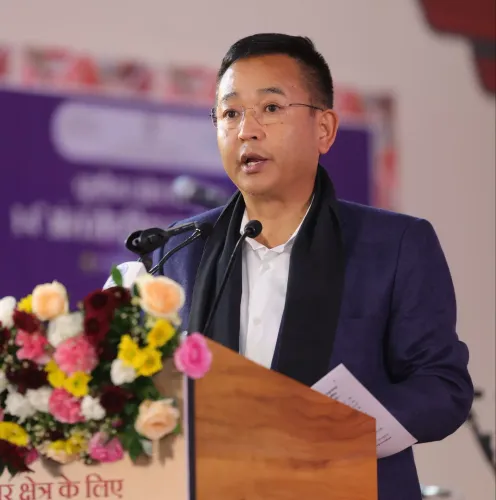
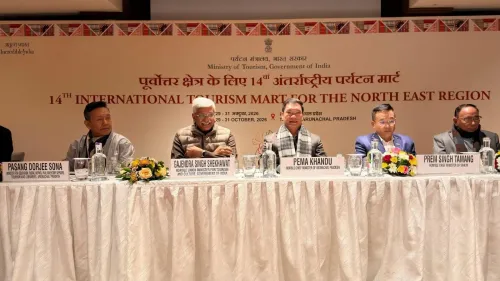
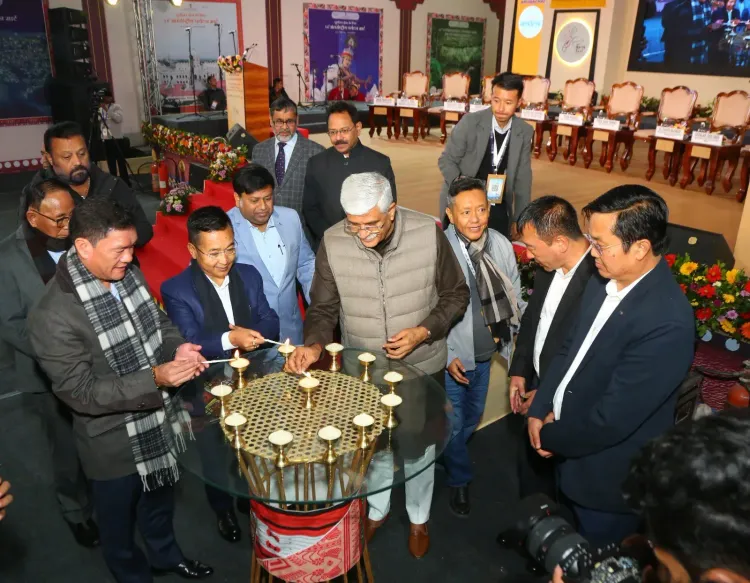
Union Minister Gajendra Singh Shekhawat led the inauguration, flanked by CMs Pema Khandu (Arunachal Pradesh) and Prem Singh Tamang (Sikkim).
This is Tawang's first time hosting the mart in 13 years , spotlighting the town's Himalayan and Buddhist heritage.
The event aligns with the Act East Policy , positioning the Northeast as India's gateway for international tourism.
The government's stated goals include strengthening tourism infrastructure , promoting new destinations, and creating livelihood opportunities for local communities.
MoS Tourism Suresh Gopi and MoS Education and DoNER Dr.
Sukanta Majumdar also attended, indicating a multi-ministry push.
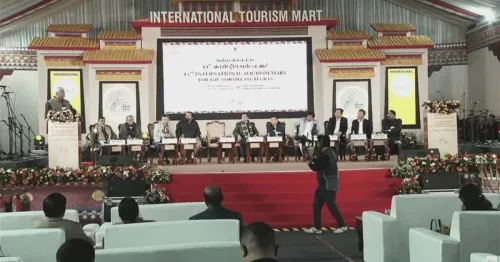
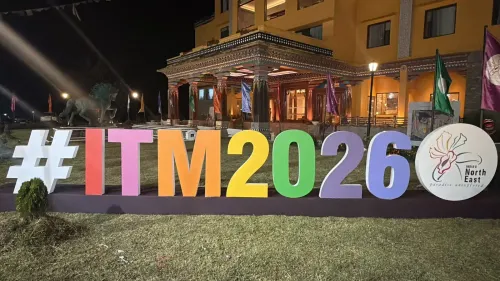
Thirteen years after Tawang last hosted the event, Union Culture and Tourism Minister Gajendra Singh Shekhawat inaugurated the 14th International Tourism Mart 2026 in the Himalayan town on Friday, 30 October 2026 — a deliberate signal that India's Northeast is no longer a footnote on the global travel map but a headline destination.
A high-table gathering in the Himalayas
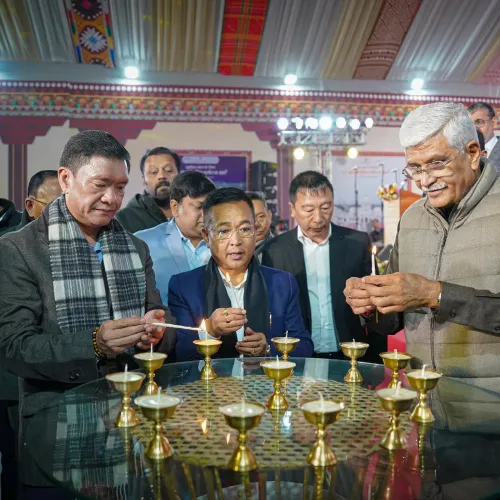
The inaugural ceremony brought together a rare concentration of political and administrative weight for a tourism event. Arunachal Pradesh Chief Minister Pema Khandu, Sikkim Chief Minister Prem Singh Tamang, Minister of State for Tourism Suresh Gopi, and Minister of State for Education and DoNER Dr. Sukanta Majumdar shared the stage with delegates from India and abroad. The gathering underscored that this edition is designed to be more than a promotional showcase — it is a coordinated push by both the Centre and the two frontier states to accelerate Northeast tourism as an economic lever.
Tawang's return to the spotlight after 13 years
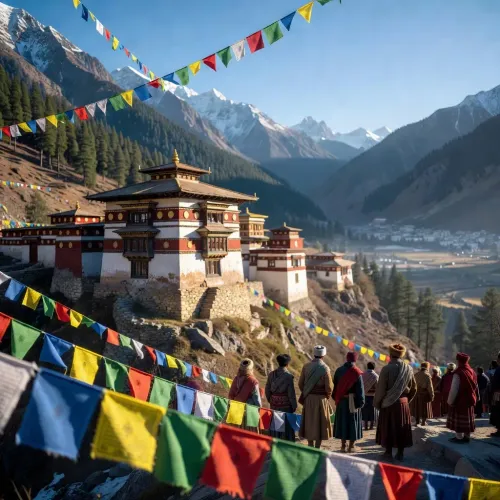
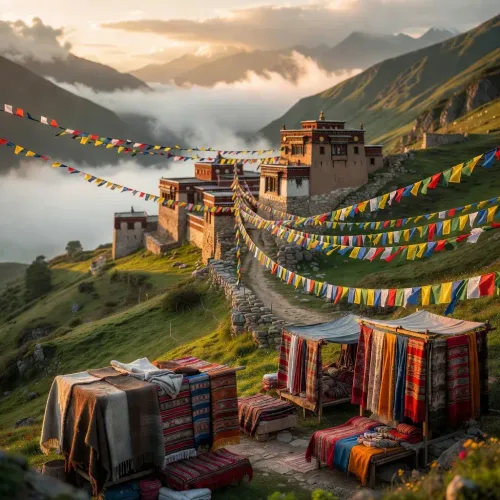
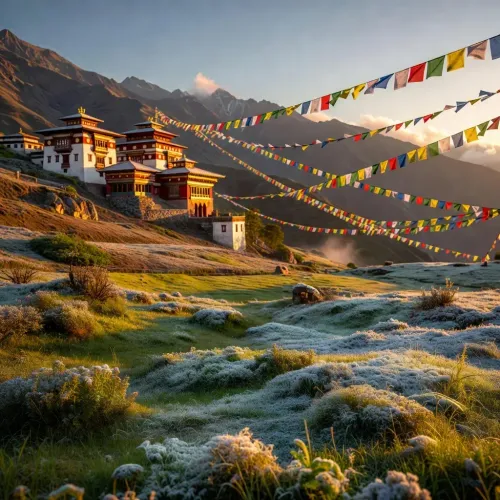
Tawang, home to one of the largest Buddhist monasteries in Asia and perched at over 10,000 feet on the Tibetan border, is itself the message. Its selection as the 2026 venue — the first time the mart has returned here since an earlier edition — signals a conscious attempt to draw international attention to a destination that blends Himalayan grandeur, living Buddhist traditions, and tribal culture in a way few places in the world can match. Shekhawat described the North East's potential as spanning 'majestic Himalayan landscapes and Buddhist heritage to its vibrant cultures and living traditions.'
Act East meets Incredible India
The International Tourism Mart series has historically been the Centre's primary platform to spotlight Northeast destinations beyond the established circuits of Rajasthan, Kerala, and Goa. The event sits squarely within the Act East Policy framework — Prime Minister Narendra Modi's strategic doctrine, sharpened since 2014, that treats the Northeast not as a remote periphery but as India's gateway to Southeast and East Asia. Better road and air connectivity to towns like Tawang, combined with heritage-tourism branding, is the twin-track the government has pursued to convert the region's extraordinary natural and cultural assets into sustainable livelihoods for local communities.
What the mart is meant to deliver on the ground
Beyond the ceremonial inauguration, the mart's practical purpose is matchmaking — connecting state tourism boards, local home-stay operators, and adventure-tourism entrepreneurs with national and international tour operators and travel buyers. Shekhawat framed the ambition clearly: 'position the North East prominently on the global tourism map while ensuring sustainable and inclusive growth.' The emphasis on livelihood creation for local communities echoes a broader Central Government push to ensure that visitor-arrival growth translates into on-the-ground income rather than bypassing host populations.
With two chief ministers, two union ministers of state, and an international delegate cohort assembled in Tawang's thin mountain air, the 14th edition of the mart has set a floor — now the question is what infrastructure commitments and visitor-arrival numbers it puts on the scoreboard.
Point of View
Which has governed Arunachal Pradesh since 2016 and Sikkim since 2024, showcasing tangible tourism momentum in the Northeast before state and general electoral cycles is also sound political arithmetic. The real test, however, will be whether the mart's matchmaking output translates into measurable upticks in visitor arrivals, home-stay registrations, and local income — metrics that will define the event's legacy beyond its headline inauguration.
NationPress
30 Oct 2026
Frequently Asked Questions
What is the International Tourism Mart and why is it held in Northeast India?
The International Tourism Mart is an annual Central Government platform that connects Northeast Indian tourism stakeholders — state boards, local operators, home-stay owners — with national and international travel buyers. It is held in the Northeast to spotlight the region's underexplored destinations and drive visitor arrivals and livelihoods.
Why was Tawang chosen for the 2026 International Tourism Mart?
Tawang was chosen because it had not hosted the mart for 13 years and represents the North East's signature blend of Himalayan landscapes, Buddhist heritage (including one of Asia's largest monasteries), and tribal living traditions — exactly the mix the government wants to promote globally.
Who inaugurated the 14th International Tourism Mart 2026?
Union Culture and Tourism Minister Gajendra Singh Shekhawat inaugurated the 14th International Tourism Mart 2026 in Tawang on 30 October 2026, alongside Arunachal Pradesh CM Pema Khandu, Sikkim CM Prem Singh Tamang, MoS Tourism Suresh Gopi, and MoS DoNER Dr. Sukanta Majumdar.
How does the International Tourism Mart connect to India's Act East Policy?
The Act East Policy, sharpened under PM Narendra Modi since 2014, treats the Northeast as India's strategic and commercial gateway to Southeast and East Asia. Tourism promotion through events like the mart is a core pillar of this policy, paired with connectivity and infrastructure upgrades.
What are the key tourism attractions of Tawang, Arunachal Pradesh?
Tawang is famed for the Tawang Monastery — one of the largest Buddhist monasteries in Asia — along with high-altitude Himalayan scenery, Buddhist heritage sites, tribal cultures, and adventure tourism opportunities, all situated at over 10,000 feet near the Tibetan border.