Shekhawat joins PM Kisan Utsav Divas, hails scheme's farmer impact
Synopsis
Union Minister Gajendra Singh Shekhawat attended PM Kisan Utsav Divas in Mumbai on 20 June 2026, joining the main ceremony at Tarakeshwar in Hooghly, West Bengal, virtually. He praised the PM-KISAN scheme, launched in 2019, as a symbol of the government's commitment to farmer welfare and a foundation of Viksit Bharat.
Key Takeaways
Gajendra Singh Shekhawat , Union Culture and Tourism Minister, attended PM Kisan Utsav Divas in Mumbai on 20 June 2026 .
He connected virtually with the main ceremony held at Tarakeshwar, Hooghly district, West Bengal .
The PM-KISAN scheme was launched on 24 February 2019 , providing ₹6,000 per year in direct income support to eligible farmer families.
The scheme has reached over 11 crore farmers across India through Direct Benefit Transfer.
Shekhawat described farmer prosperity as 'the strongest foundation of a Developed India' ( Viksit Bharat ).
West Bengal's Hooghly district hosted the central function of the national event.
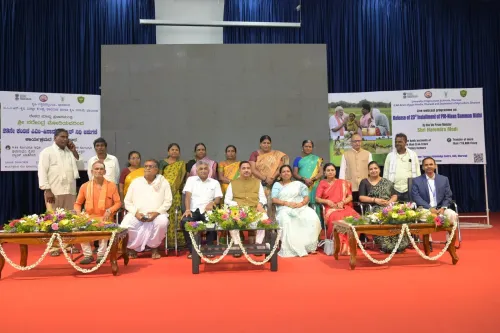
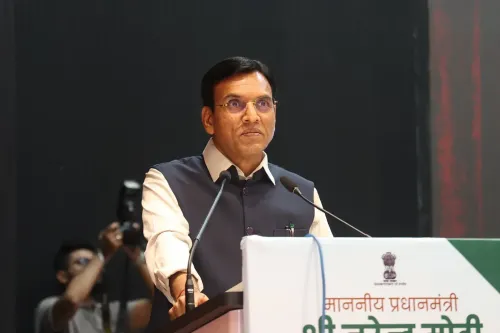
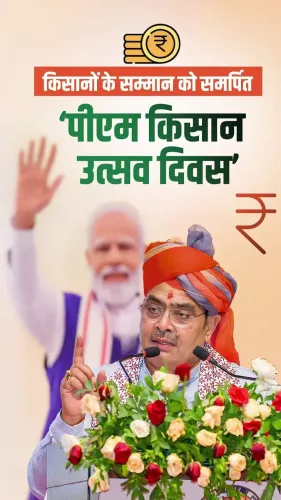
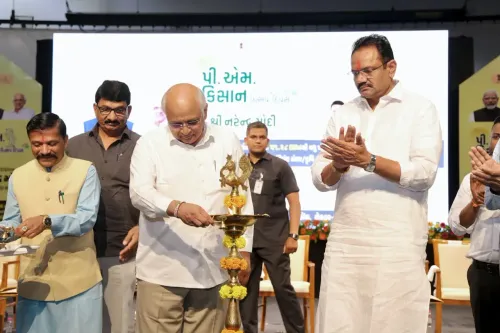
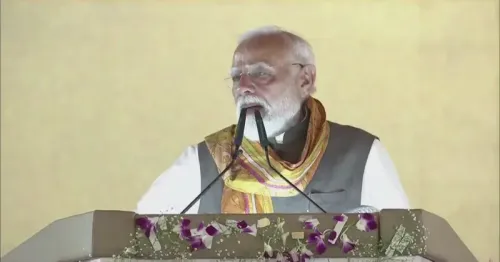
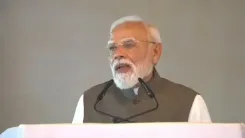
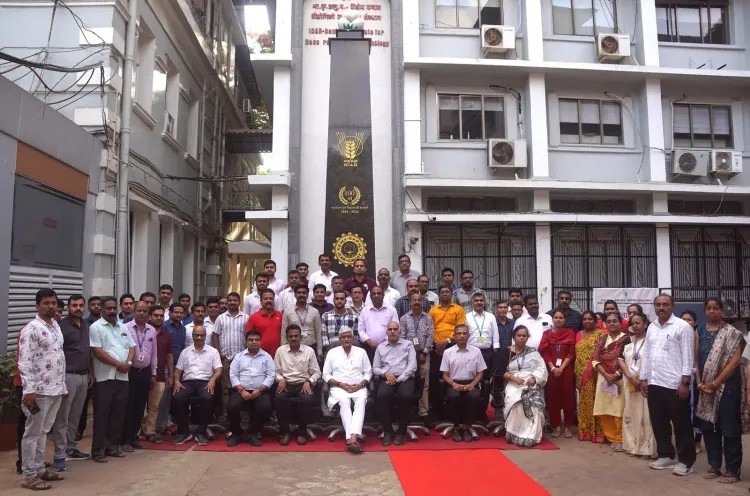
Union Culture and Tourism Minister Gajendra Singh Shekhawat on Saturday, 20 June 2026, attended the PM Kisan Utsav Divas event in Mumbai, connecting virtually with the main ceremony held at Tarakeshwar in Hooghly district, West Bengal, to mark the continued impact of the Pradhan Mantri Kisan Samman Nidhi (PM-KISAN) scheme since its launch in 2019.
Context
Shekhawat took to X to share his participation in the event, writing: '2019 mein Pradhan Mantri Kisan Samman Nidhi Yojana ki shuruaat se lekar aaj tak croro kisanon ke jeevan mein sakaratmak badlaav aaya hai' — ('Since the launch of the PM Kisan Samman Nidhi scheme in 2019 until today, positive change has come to the lives of crores of farmers'). He described the scheme as a symbol of 'respect, trust, and commitment' towards the annadata (provider of food, i.e., the farmer). The minister concluded with the assertion that 'the prosperity of farmers is the strongest foundation of a Developed India.'
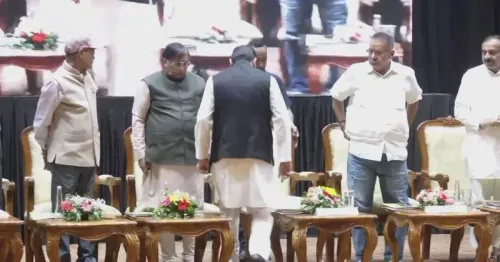
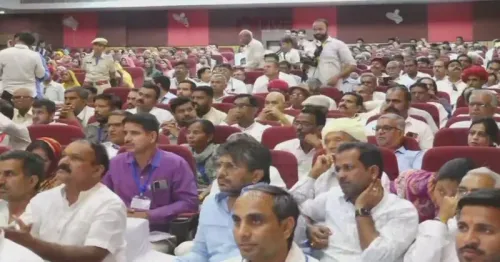
The PM Kisan Utsav Divas saw simultaneous events across the country, with the central function organised at Tarakeshwar, Hooghly in West Bengal. Shekhawat participated in the Mumbai edition of the programme while joining the main event through a virtual link.
Policy Backdrop
The PM-KISAN scheme was announced in the February 2019 Interim Budget and formally launched on 24 February 2019 by Prime Minister Narendra Modi. It provides an annual direct income support of ₹6,000 to eligible landholding farmer families, disbursed in three equal instalments of ₹2,000 each directly into beneficiary bank accounts through the Direct Benefit Transfer mechanism.
Since its inception, the scheme has been positioned as a cornerstone of rural income security, reaching over 11 crore farmers across the country. It operates as a central sector scheme, meaning the entire funding comes from the Union government without state contribution to the transfer amount.
Stakeholders and Impact
The primary beneficiaries of PM-KISAN are small and marginal farmer families holding cultivable land. The direct cash transfer model bypasses intermediaries, aiming to reduce income vulnerability during sowing and harvest cycles. The scheme has been particularly significant in states with large agrarian populations, including West Bengal, where the Hooghly district event served as the main venue for the 2026 Utsav Divas.
For senior BJP leaders like Shekhawat, public participation in such events carries both policy and political resonance, reinforcing the party's farmer-welfare narrative ahead of ongoing state-level electoral cycles. The choice of West Bengal as the host state for the central ceremony is also notable given the political salience of the agrarian vote in that state.
What's Next
Observers will watch for announcements related to upcoming PM-KISAN instalment disbursements and any proposed expansion of the scheme's coverage or integration with allied programmes such as crop insurance and soil health initiatives. Any move to revise the ₹6,000 annual ceiling — a demand that farmer organisations have periodically raised — could feature in deliberations ahead of the next Union Budget. The government's emphasis on farmer welfare events like Utsav Divas also signals continued political prioritisation of agricultural income support as a pillar of the Viksit Bharat (Developed India) vision.
Point of View
Senior ministers are reinforcing a narrative that links direct cash transfers to the broader Viksit Bharat vision, an arc the government has been building since the scheme's 2019 launch. Whether this translates into policy action — such as an upward revision of the annual ₹6,000 support — will be the real test of that commitment.
NationPress
21 Jun 2026
Frequently Asked Questions
What is PM Kisan Utsav Divas?
PM Kisan Utsav Divas is a national event organised to mark and celebrate the impact of the Pradhan Mantri Kisan Samman Nidhi (PM-KISAN) scheme, with simultaneous programmes held across states. In 2026, the central ceremony was held at Tarakeshwar in Hooghly district, West Bengal.
What is the PM-KISAN scheme and how much money do farmers get?
PM-KISAN is a central government scheme launched on 24 February 2019 that provides ₹6,000 per year in direct income support to eligible landholding farmer families, paid in three instalments of ₹2,000 each directly into bank accounts.
Why did Gajendra Singh Shekhawat attend PM Kisan Utsav Divas?
Union Culture and Tourism Minister Gajendra Singh Shekhawat attended the Mumbai edition of PM Kisan Utsav Divas on 20 June 2026 and joined the main West Bengal ceremony virtually, reaffirming the BJP government's farmer welfare commitments.
How many farmers benefit from PM-KISAN?
The PM-KISAN scheme has reached over 11 crore farmers across India since its launch in 2019, making it one of the largest direct benefit transfer programmes for the agricultural sector.
Where was the main PM Kisan Utsav Divas 2026 ceremony held?
The main ceremony for PM Kisan Utsav Divas 2026 was held at Tarakeshwar in Hooghly district, West Bengal, with ministers and participants in other cities joining through virtual links.