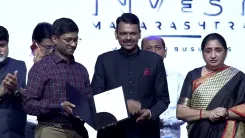
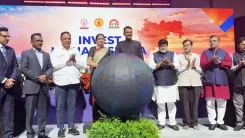
Shekhawat Replies to PM Modi with Cultural Images
Synopsis
Union Culture and Tourism Minister Gajendra Singh Shekhawat replied to Prime Minister Narendra Modi on X on 3 July 2026, sharing three images in an apparent cultural or tourism context, continuing the government's pattern of ministerial social media engagement on heritage themes.
Key Takeaways
Union Culture and Tourism Minister Gajendra Singh Shekhawat replied to PM Narendra Modi on X on 3 July 2026 .
The reply contained three images and no text, consistent with visual-first ministry communication.
Ministerial replies to the PM's posts are a routine practice used to amplify cultural and tourism messaging.
The Ministry of Culture oversees flagship schemes including Swadesh Darshan and PRASAD , both launched in 2014 .
Shekhawat represents Jodhpur, Rajasthan , a major heritage and tourism destination.
Follow-up announcements on heritage circuits or tourism budgets may emerge at the next parliamentary session or ministry review.
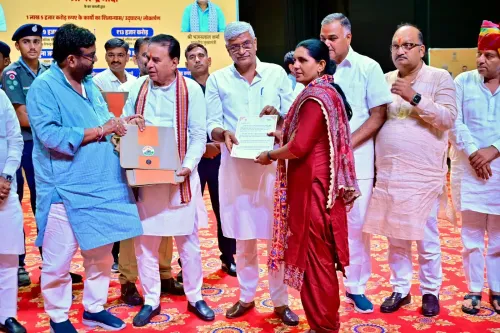
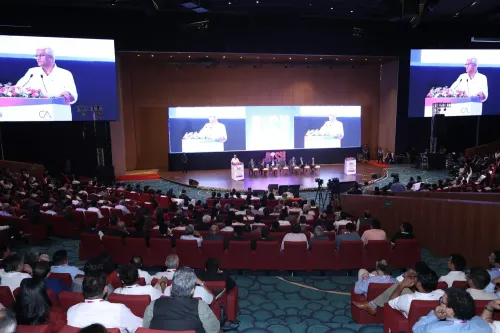
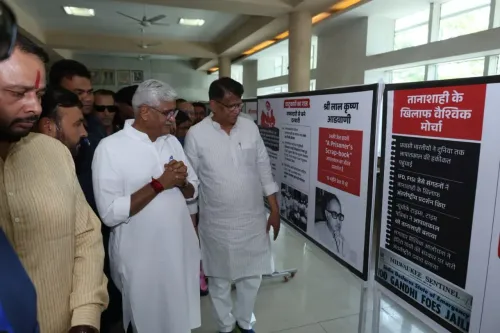
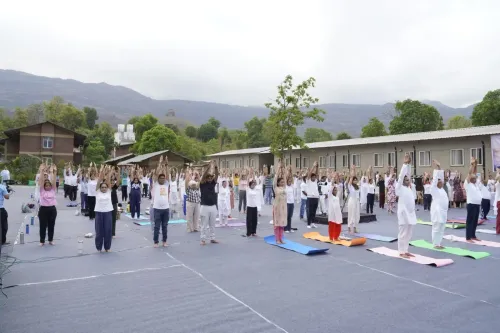
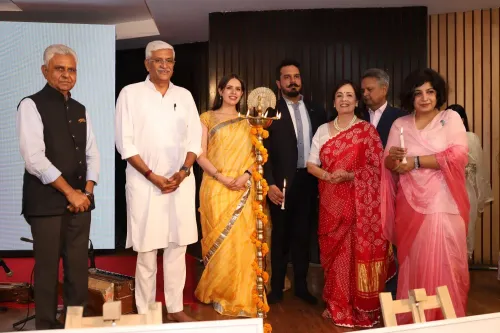
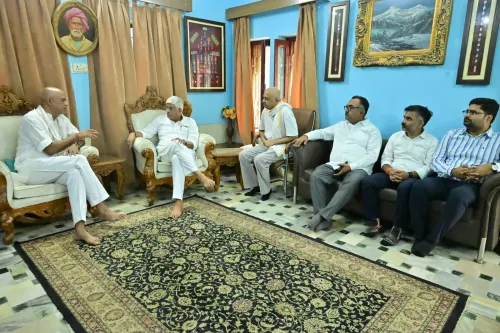
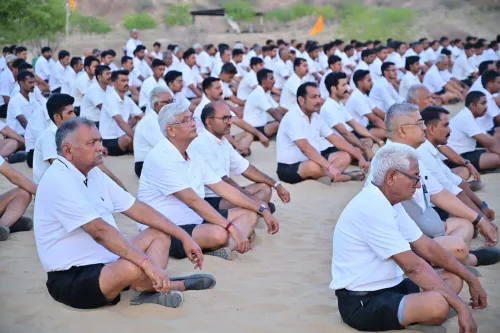
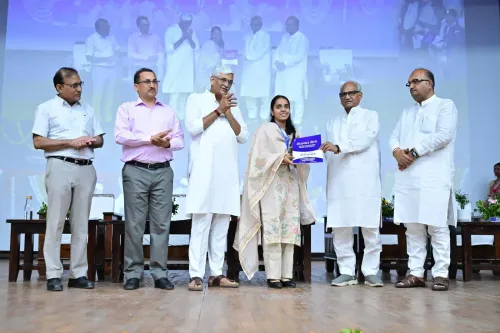
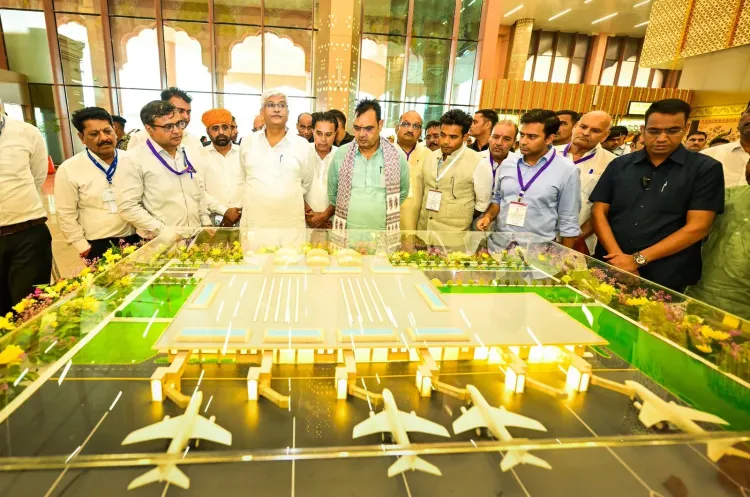
Union Culture and Tourism Minister Gajendra Singh Shekhawat replied to a post by Prime Minister Narendra Modi on Friday, 3 July 2026, sharing a set of three images in what appears to be a ministry-level engagement on cultural themes. The reply, posted from Shekhawat's official X account, contained no accompanying text but carried visual content linked to India's culture and tourism portfolio.
Context
Ministers replying to the Prime Minister's posts on social media has become a routine practice within the BJP-led central government, often used to amplify ministry-specific visuals, schemes, or heritage content. Shekhawat, who represents Jodhpur, Rajasthan in the Lok Sabha, oversees a ministry tasked with preservation of India's cultural heritage, promotion of arts, and development of tourism infrastructure.
The three images shared in the reply are consistent with the Ministry of Culture's broader social media strategy of using visual content to highlight India's heritage assets and tourism destinations. While the specific subject of the images could not be independently verified at the time of publication, the context of the reply suggests an alignment with cultural or tourism messaging.
Policy Backdrop
The Ministry of Culture and Tourism has been an active participant in the central government's push to position India's heritage as a driver of both domestic tourism and international soft power. Flagship schemes such as Swadesh Darshan, launched in 2014 to develop theme-based tourist circuits, and the PRASAD scheme, initiated in 2014-15 for integrated development of pilgrimage destinations, form the backbone of this policy architecture.
Social media engagement by senior ministers — particularly replies to the Prime Minister — serves a dual purpose: it reinforces the ministry's visibility and signals alignment with the government's broader communication strategy on governance and cultural nationalism.
Stakeholders and Impact
The primary stakeholders in the ministry's cultural and tourism communications include the tourism industry, heritage conservation bodies, and state governments that partner with the Centre on scheme implementation. Visual content shared at this level often precedes or accompanies on-ground announcements, making such posts a point of interest for industry observers and heritage advocates.
Jodhpur, Shekhawat's constituency, is itself a significant cultural and tourism hub, home to the historic Mehrangarh Fort and other landmarks that draw both domestic and international visitors. The minister's engagement with cultural content on social media is seen as consistent with his role as a representative of one of Rajasthan's most prominent heritage cities.
What's Next
Observers of the tourism and culture sector will watch for any follow-up announcements linked to the imagery shared, particularly ahead of the next parliamentary session or ministry review meetings where new heritage circuits or tourism budget allocations could be disclosed. The Ministry of Culture has signalled in recent months an intent to expand digital outreach as part of its mandate to make India's cultural legacy more accessible to younger audiences and global visitors.
Point of View
Where visual content is deployed to reinforce the government's cultural heritage narrative without making explicit policy claims. This kind of engagement is part of a broader strategy by the BJP-led government to keep culture and tourism visible in the public discourse between formal announcements. For Shekhawat, who heads a ministry with a large symbolic mandate, such posts also serve as constituency signalling — particularly relevant given Jodhpur's identity as a heritage city. Analysts will watch whether the imagery presages a concrete announcement, or remains part of the routine cadence of ministerial social media activity.
NationPress
2 Oct 2026
Frequently Asked Questions
Why did Gajendra Singh Shekhawat reply to PM Modi on X?
Shekhawat replied to PM Modi's post on X on 3 July 2026, sharing three images likely related to culture or tourism, in keeping with the government's practice of ministerial amplification of the Prime Minister's social media posts.
What is Gajendra Singh Shekhawat's role in the government?
Gajendra Singh Shekhawat is the Union Minister of Culture and Tourism, a senior BJP leader, and the Lok Sabha MP from Jodhpur, Rajasthan.
What schemes does the Ministry of Culture oversee?
The Ministry of Culture oversees schemes such as Swadesh Darshan, launched in 2014 to develop theme-based tourist circuits, and the PRASAD scheme, initiated in 2014-15 for development of pilgrimage destinations.
What is Jodhpur known for in the context of culture and tourism?
Jodhpur, Shekhawat's parliamentary constituency in Rajasthan, is a major heritage and tourism destination known for historic landmarks including Mehrangarh Fort, and is a significant node in India's cultural tourism landscape.
What could follow Shekhawat's social media post on culture?
Observers are watching for possible announcements on new heritage circuits or tourism budget allocations at the next parliamentary session or ministry review meetings.