Budget 2027-28: Sitharaman holds first-ever Gen-Z consultation
Synopsis
For the first time, Gen-Z had a seat at India's pre-Budget table. In a two-hour session with nearly 50% women participants, young Indians pressed FM Sitharaman on jobs, skilling and a better PM Internship Scheme, capping a 10-day consultation cycle with 200+ stakeholders ahead of Budget 2027-28.
Key Takeaways
FM Nirmala Sitharaman chaired the first-ever dedicated pre-Budget consultation with youth and Gen-Z representatives on 26 November 2026 .
The two-hour session had around 50 per cent women's participation.
Participants sought more investment in emerging technologies, employment generation, skilling and a more effective PM Internship Scheme .
Pre-Budget consultations ran from 16 to 26 November , involving 200+ stakeholders across 13 sectors .
Suggestions included sector-specific AI models , biofertiliser manufacturing, MSME cyber-hygiene, rental housing and faster growth of Tier-2 and Tier-3 cities .
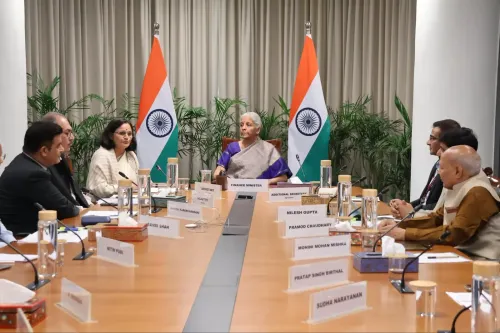
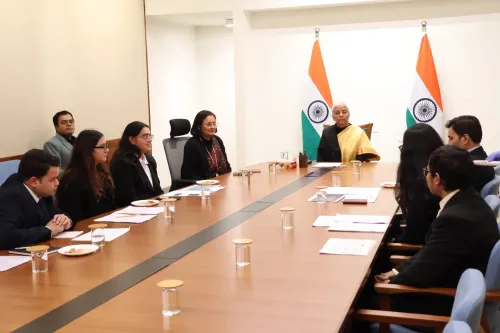
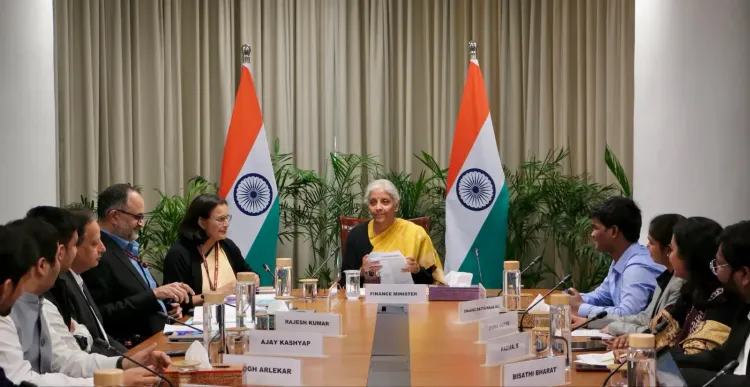
Finance Minister Nirmala Sitharaman on Thursday, 26 November 2026, chaired the first-ever dedicated pre-Budget consultation with youth and Gen-Z representatives in New Delhi, as preparations for the Union Budget 2027-28 entered their final stretch. Participants urged the Centre to step up investment in emerging technologies, employment generation and skill development.
The two-hour interactive session saw around 50 per cent women's participation. Students and professionals from leading institutions and research organisations submitted suggestions directly to the Finance Minister.
Key Demands From Gen-Z Participants
Employment generation dominated the deliberations. Participants stressed the need to upgrade training infrastructure and strengthen skilling programmes so that young people are better prepared for technology-driven disruptions in the labour market.
They also called for closer alignment between industry requirements and academic curricula. Notably, participants suggested making the PM Internship Scheme more attractive and more effective in improving employability, a signal that the youth cohort wants existing schemes refined rather than simply expanded.
A Wider Consultation Cycle
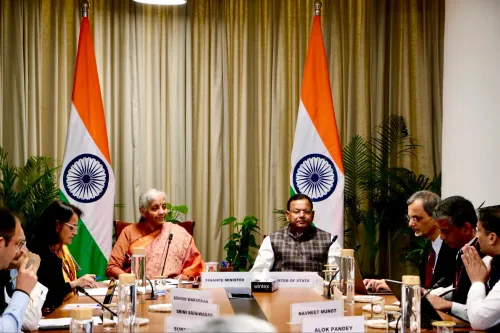
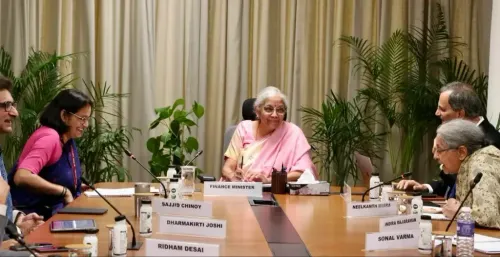
The youth session capped a series of pre-Budget meetings Sitharaman chaired between 16 and 26 November. For the first time, these consultations were expanded to include youth representatives as part of the government's outreach to gather wider feedback.
More than 200 stakeholders representing 13 sectors and stakeholder groups took part across the cycle, including industry associations, domain experts, leaders of India Inc and academics.
Senior officials present included Anuradha Thakur, Secretary, Department of Economic Affairs; V. Anantha Nageswaran, Chief Economic Adviser; senior Ministry of Finance officials; and Secretaries of the Ministries and Departments concerned.
Major Recommendations Across Sectors
According to a Finance Ministry statement, the consultations produced forward-looking recommendations aimed at strengthening India's human capital, innovation ecosystem, manufacturing competitiveness, agricultural productivity, housing security and educational outcomes.
Key suggestions included:
- Promoting domestic manufacturing of biofertilisers and advanced biotechnology-based agricultural inputs.
- Boosting India's competitiveness in Artificial Intelligence through sector-specific AI models optimised for locally available hardware.
- Strengthening cyber-hygiene awareness among MSMEs and smaller financial institutions.
- Targeted support for rural youth and workers moving into productive non-farm employment and sustainable enterprises.
On housing, stakeholders highlighted rental housing as a significant avenue for expanding affordable housing in urban areas. They also pushed for faster development of Tier-2 and Tier-3 cities to support young Indians as they move from education to employment and entrepreneurship, the statement said.
Why It Matters
Collectively, the recommendations centred on innovation-led growth, wider employment opportunities, stronger social and economic infrastructure, and a more resilient, future-ready economy. Stakeholders emphasised reforms that could accelerate growth while keeping development broad-based and inclusive.
The ministry described the pre-Budget consultations as an important part of the government's participatory and consultative approach to budget-making, enabling diverse groups to help shape India's development priorities and growth agenda.
With the consultation cycle now complete, attention will shift to how many of these youth-focused ideas, particularly on jobs, skilling and the PM Internship Scheme, find a place in the Union Budget 2027-28.
Point of View
But the substance of their demands is revealing: they are asking for schemes like the PM Internship Scheme to be made to work, not for new announcements. That is an implicit verdict on delivery gaps in youth employment programmes. The real measure of this outreach will be whether Budget 2027-28 ties skilling spending to measurable job outcomes. Otherwise, the consultation risks becoming a photo-op rather than a policy input.
NationPress
26 Nov 2026
Frequently Asked Questions
What was the first-ever Gen-Z pre-Budget consultation?
It was a dedicated two-hour session Finance Minister Nirmala Sitharaman held with youth and Gen-Z representatives on 26 November 2026 in New Delhi for Union Budget 2027-28. Students and professionals from leading institutions submitted suggestions directly to her.
What did Gen-Z participants ask for in Budget 2027-28?
They sought higher investment in emerging technologies, employment generation and skill development. They also called for upgraded training infrastructure, better industry-academia alignment and a more attractive PM Internship Scheme.
How many stakeholders took part in the pre-Budget consultations?
More than 200 stakeholders from 13 sectors and stakeholder groups participated between 16 and 26 November. They included industry associations, domain experts, India Inc leaders and academics.
What were the other key suggestions in the pre-Budget meetings?
Suggestions included sector-specific AI models for local hardware, domestic biofertiliser manufacturing, cyber-hygiene awareness for MSMEs, and support for rural youth moving to non-farm jobs. Stakeholders also backed rental housing and faster development of Tier-2 and Tier-3 cities.
Which officials attended the consultations with the Finance Minister?
DEA Secretary Anuradha Thakur, Chief Economic Adviser V. Anantha Nageswaran, senior Finance Ministry officials and Secretaries of the Ministries concerned attended the discussions.