Sonowal pays tribute to 2008 Assam serial blast victims

Synopsis
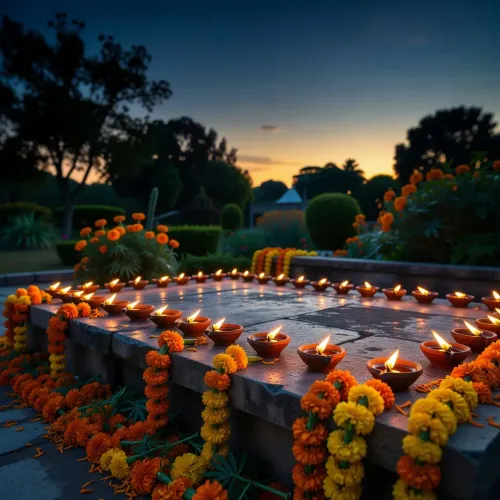
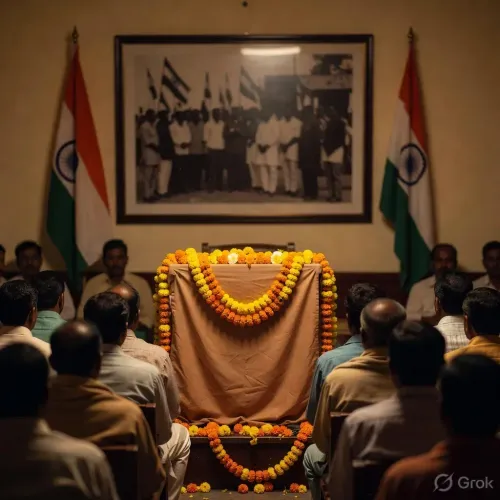
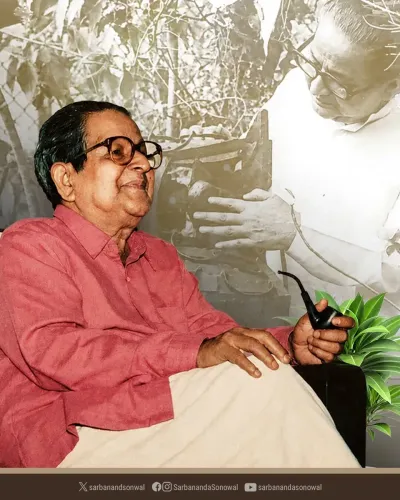
Union Minister Sarbananda Sonowal paid solemn tribute to the victims of the deadly 30 October 2008 serial bomb blasts in Assam, writing in Assamese that the pain of bereaved families 'is still alive in our hearts today' and praying for peace and harmony.
Key Takeaways
Sarbananda Sonowal , Union Minister of Ports, Shipping and Waterways and former Assam Chief Minister, marked the 18th anniversary of the 2008 Assam serial bomb blasts on 30 October 2026 .
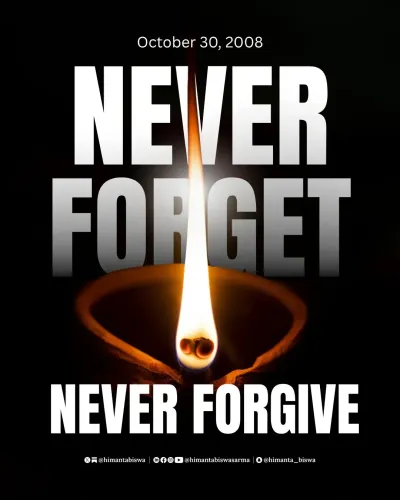
The 30 October 2008 coordinated explosions struck multiple locations across Assam, killing dozens of civilians.
Sonowal wrote his tribute in Assamese, describing the day as a 'black day' and calling the attacks 'barbaric acts that can never be forgotten.' He expressed solidarity with every family that lost a loved one, saying their grief 'is still alive in our hearts today.' He ended with a prayer for humanity, peace, and harmony — a recurring theme in Northeast India's annual commemorations of insurgency-era violence.
Eighteen years after coordinated bomb blasts tore through multiple locations across Assam on 30 October 2008, Union Ports and Shipping Minister Sarbananda Sonowal paused to remember the innocent lives lost — and the grief that never fully heals for the families left behind.
Writing in Assamese, Sonowal offered a solemn tribute: 'এই কৰুণ ঘটনাত আপোনজনক হেৰুওৱা প্ৰতিটো পৰিয়ালৰ দুখ-যন্ত্ৰণা হৃদয়ত আজিও সজীৱ হৈ আছে' — 'The pain of every family that lost a loved one in this tragic incident is still alive in our hearts today.' He called the day a 'black day,' declared that the 'barbaric act that took the lives of innocent people can never be forgotten,' and closed with a prayer: 'May humanity, peace, and harmony prevail.'
The blasts that shook Assam in 2008
The 30 October 2008 serial bomb blasts were among the deadliest coordinated strikes in Assam's long and troubled encounter with insurgency. Explosions ripped through multiple locations across the state, killing dozens of civilians — ordinary men and women going about their day. The attacks were widely attributed to separatist extremist groups operating in the Northeast, and they left a scar on the region's collective memory that annual observances like this one keep visible.
Assam through the late 1990s and 2000s endured wave after wave of militant violence, but the scale and simultaneity of the 2008 blasts made that October date particularly resonant. For Sonowal — a son of Assam who served as the state's Chief Minister before joining the Union Cabinet — the anniversary is personal as much as it is political.
A Northeast voice at the Centre keeps the memory alive
Sonowal's tribute carries a specific weight: as a senior BJP leader who governed Assam from 2016 to 2021 and now represents the state's interests in the Union Cabinet, his annual remembrance signals that the Northeast's wounds have not been forgotten at the national level. Commemorations like this one also reinforce the broader, hard-won peace narrative in a region where insurgency has significantly receded — a peace that must be actively defended, not merely assumed.
Victim families and civil-society groups in Assam have long sought formal memorials and consistent state support. Each anniversary renews that call — quietly, persistently.
The dead are not statistics. They are the reason a Union Minister pauses, writes in his mother tongue, and asks his country to remember. That, too, is a form of policy.
Point of View
Public remembrance by a senior Union Minister affirms that counter-insurgency gains are inseparable from acknowledging past civilian suffering. The tribute also fits a broader BJP pattern of owning the Northeast's historical narrative — keeping the costs of militancy visible while projecting a contrast with today's relative stability. What remains unresolved, however, is the institutional side: formal memorials and sustained victim-family support continue to lag behind the rhetoric of remembrance.
NationPress
30 Oct 2026
Frequently Asked Questions
What were the 2008 Assam serial bomb blasts?
The 2008 Assam serial bomb blasts were coordinated explosions that struck multiple locations across Assam on 30 October 2008, killing dozens of civilians. They were among the deadliest attacks during Assam's period of intense insurgency and are widely attributed to separatist extremist groups.
Why did Sarbananda Sonowal pay tribute on 30 October 2026?
Sonowal marked the 18th anniversary of the 30 October 2008 serial bomb blasts in Assam, offering condolences to victims' families and calling for peace and harmony. As a former Chief Minister of Assam and senior Union Minister, the anniversary holds deep personal and political significance for him.
What did Sarbananda Sonowal say about the 2008 Assam blasts?
Sonowal called 30 October 2008 a 'black day' in Assam's history, described the attacks as 'barbaric acts that can never be forgotten,' expressed that the grief of bereaved families 'is still alive in our hearts,' and prayed for the victory of humanity, peace, and harmony.
How many people died in the 2008 Assam bomb blasts?
The 30 October 2008 serial blasts killed dozens of civilians across multiple locations in Assam. The exact verified toll varies by source, but the attacks were among the deadliest coordinated strikes in the state's insurgency era.
Who is Sarbananda Sonowal?
Sarbananda Sonowal is a senior BJP leader, the Union Minister of Ports, Shipping and Waterways in the Government of India, and a former Chief Minister of Assam (2016–2021). He is one of the most prominent political figures from Northeast India.