Sonowal greets RSS volunteers on Sangh Sthapna Diwas
Synopsis
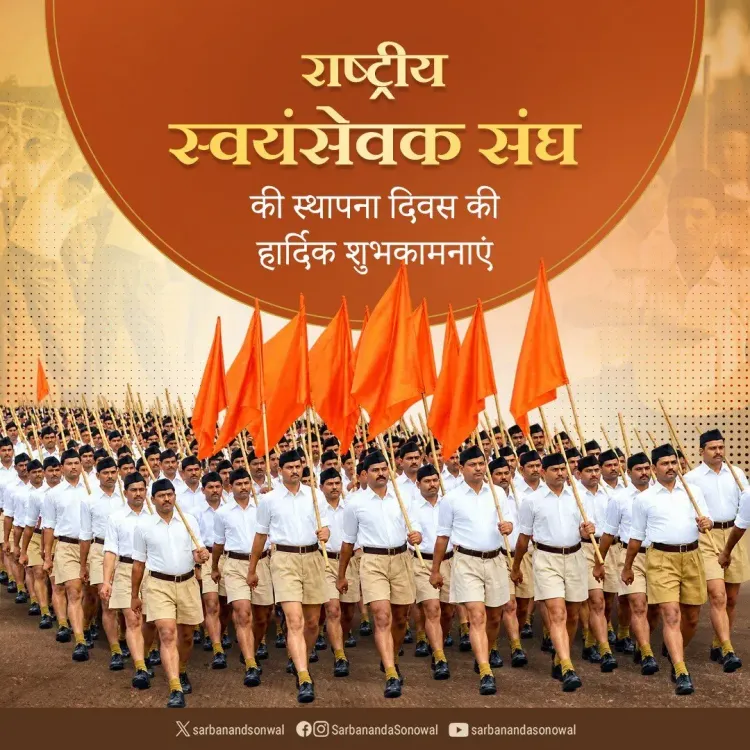
Union Minister Sarbananda Sonowal marked the RSS foundation day with a salute to swayamsevaks, highlighting national service, social harmony and unity as pillars of the nation's progress — a message that underlines the enduring ideological bond between the BJP and its organisational parent.
Key Takeaways
Union Minister Sarbananda Sonowal posted Sthapna Diwas greetings for the Rashtriya Swayamsevak Sangh on 20 October 2026 .
He opened his message with the Sangh's iconic prayer line 'Namaste Sada Vatsale Matrubhume' , signalling deep organisational familiarity.
The message highlighted three RSS-espoused values: national service, social harmony and national unity.
The RSS was founded on 27 September 1925 by K.B.
Hedgewar in Nagpur .
Sonowal served as Assam's first BJP Chief Minister from 2016 before joining the Union Cabinet.
Senior BJP leaders with RSS roots routinely issue such greetings as a recurring ritual of organisational solidarity.
On the founding anniversary of the Rashtriya Swayamsevak Sangh, Union Minister of Ports, Shipping and Waterways Sarbananda Sonowal extended heartfelt greetings to all volunteers on Tuesday, 20 October 2026, invoking the spirit of national service and social harmony that the organisation has long championed.
In his message posted on X, Sonowal opened with the Sangh's iconic salutation — 'Namaste Sada Vatsale Matrubhume' (Salutations always, O loving motherland) — before conveying his wishes. He wrote: 'Heartfelt congratulations and good wishes to all on the foundation day of the Rashtriya Swayamsevak Sangh. The spirit of dedication towards national service, social harmony and national unity plays an important role in the development of the country and the upliftment of society. I bow to the contribution of all swayamsevaks devoted to a sense of duty and service towards the nation.'
The Sangh's centenary chapter and what the day marks
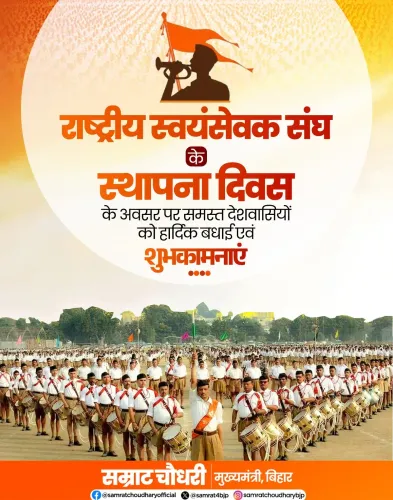
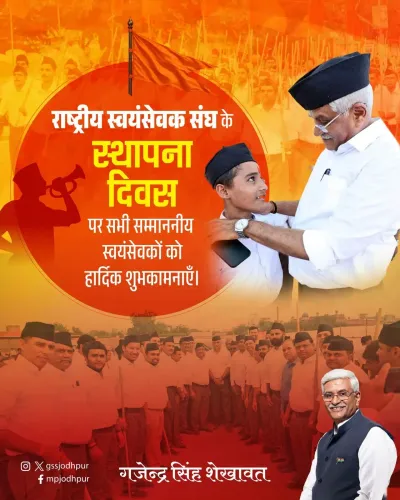
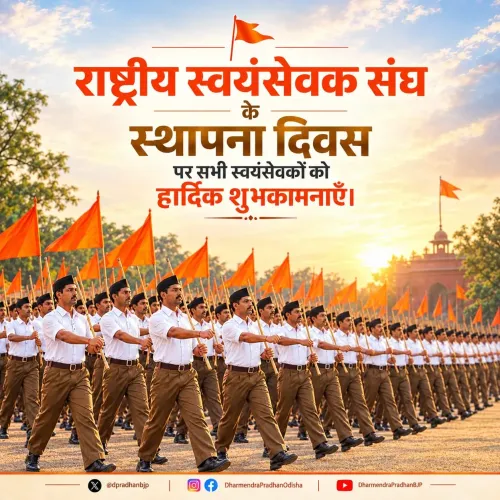
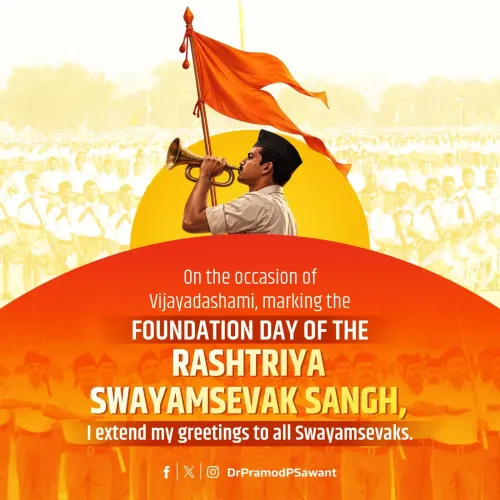
The RSS was founded on 27 September 1925 by K.B. Hedgewar in Nagpur as a volunteer-based organisation focused on character-building, social service and national unity. Over the past century it has grown into one of the world's largest volunteer networks, with its establishment day — Sthapna Diwas — marked annually across the country by its branches and affiliated units.
Sonowal's message distilled the three pillars the Sangh publicly espouses: rashtra seva (national service), samajik samarasta (social harmony) and rashtriya ekta (national unity). For a minister who rose through Assam's deeply polarised political landscape to become the state's first BJP Chief Minister in 2016, these are not merely rhetorical anchors — they reflect the ideological grammar through which the RSS-BJP ecosystem articulates governance and public life.
A recurring ritual of organisational solidarity
Senior BJP leaders with RSS backgrounds routinely issue public greetings on the Sangh's establishment day. The practice is less a news event than a visible thread in the organisational fabric connecting the party's elected wing to its ideological parent. Sonowal, who spent decades in RSS-affiliated student and youth bodies before entering electoral politics, is among the most prominent ministers to carry that biography into the Union Cabinet.
The message carries no policy announcement. Its significance lies in the public reaffirmation of an ideological bond — and in the millions of swayamsevaks across the country who receive such greetings as institutional acknowledgement of their work on the ground.
Point of View
The gesture is both ideological and personal. Cumulatively, such statements from Cabinet rank keep the RSS-BJP relationship visible and aspirational for the broader swayamsevak base, reinforcing a feedback loop of loyalty and identity that the organisation has cultivated for a century.
NationPress
20 Oct 2026
Frequently Asked Questions
Why is RSS foundation day celebrated?
The RSS foundation day — Sthapna Diwas — marks the organisation's founding on 27 September 1925 by K.B. Hedgewar in Nagpur. It is observed annually by branches and affiliated bodies to reaffirm commitments to national service and character-building.
What did Sarbananda Sonowal say on RSS foundation day?
Sonowal greeted all swayamsevaks, saluting their dedication to national service, social harmony and national unity, and invoking the Sangh's prayer line 'Namaste Sada Vatsale Matrubhume' .
Who is Sarbananda Sonowal?
Sarbananda Sonowal is the Union Minister of Ports, Shipping and Waterways and a senior BJP leader. He served as Assam's first BJP Chief Minister from 2016 before joining the Union Cabinet.
What is the RSS and what does it stand for?
The Rashtriya Swayamsevak Sangh (RSS) is a volunteer-based Hindu nationalist organisation founded in 1925 . It focuses on character-building, social service and national unity, and is widely regarded as the ideological parent of the BJP.
Do BJP leaders regularly greet the RSS on its foundation day?
Yes. Senior BJP leaders with RSS backgrounds routinely post public greetings on Sthapna Diwas as a recurring practice that publicly signals the ideological and organisational relationship between the party and the Sangh.