CM Hemant Soren joins INDIA alliance meet on voter roll concerns
Synopsis
Jharkhand Chief Minister Hemant Soren attended an INDIA alliance conclave in New Delhi on 31 October 2026, where party representatives and citizens raised concerns about voter hardships during Special Intensive Revision of electoral rolls and demanded greater transparency and accountability from the Election Commission of India.
Key Takeaways
Hemant Soren , Chief Minister of Jharkhand and JMM executive president, attended the INDIA alliance event in New Delhi on 31 October 2026 .
Representatives from multiple opposition parties and citizens raised concerns about difficulties faced during the Special Intensive Revision (SIR) of electoral rolls.
Soren called for transparency in the electoral process and greater accountability of the Election Commission of India .
The INDIA alliance , formed in July 2023 , uses such conclaves to consolidate opposition positions on democratic safeguards.
Opposition parties have periodically flagged concerns about electoral-roll accuracy and revision methodology across multiple states.
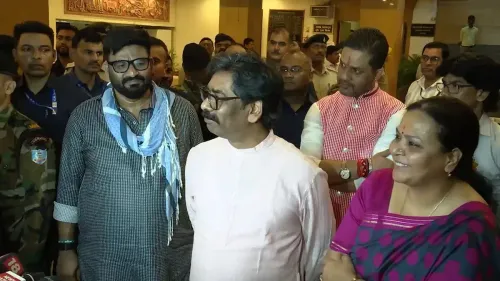
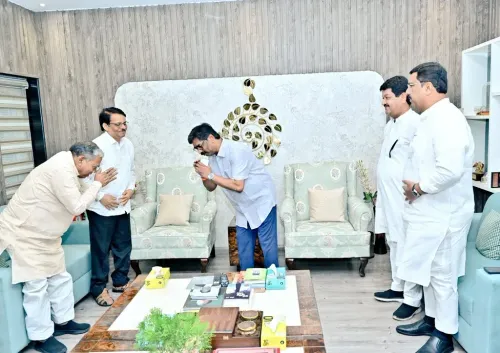
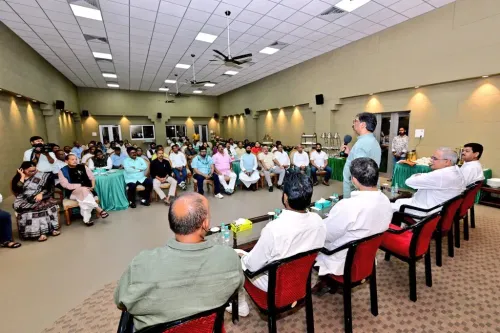
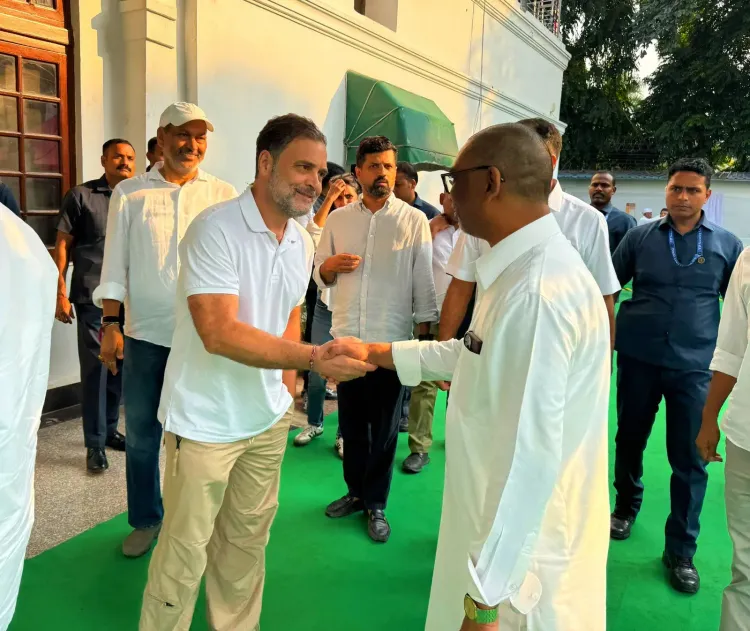
At the heart of New Delhi on Saturday, 31 October 2026, Jharkhand Chief Minister Hemant Soren joined an INDIA alliance conclave where representatives from multiple opposition parties and ordinary citizens placed on record their concerns about the ongoing Special Intensive Revision (SIR) of electoral rolls — and demanded greater accountability from the Election Commission of India.
Soren posted from the event: 'चुनावी प्रक्रिया में पारदर्शिता और चुनाव आयोग की जवाबदेही लोकतंत्र में जनता का विश्वास बनाए रखने के लिए आवश्यक है' — 'Transparency in the electoral process and accountability of the Election Commission are essential for maintaining the public's trust in democracy.'
What the INDIA bloc put on the table at the Delhi conclave
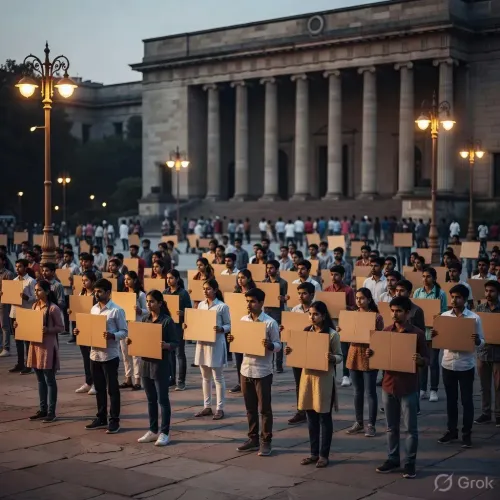
The gathering brought together party representatives and citizens who flagged the ground-level hardships voters face during intensive revision exercises — door-to-door verification, documentation demands, and the risk of eligible names being dropped from rolls. The right to vote, speakers argued, is only as strong as the process that safeguards it. Soren amplified those grievances publicly, lending the voice of a sitting chief minister to what has largely been an opposition campaign concern.
The INDIA alliance, formed in July 2023, was built precisely for this kind of multi-party coordination — pooling state-level ground intelligence into a unified demand at the national level. Saturday's conclave fits that template: translate local voter difficulties into pressure on a constitutional body.
The longer fight over electoral-roll integrity
Opposition parties have raised questions about electoral-roll accuracy and revision methodology across several states over the past few years. The core argument is consistent: revisions conducted without adequate notice, clear communication, or robust grievance channels can inadvertently — or otherwise — disenfranchise legitimate voters, particularly from marginalised communities. The Election Commission of India, as the constitutional authority responsible for superintendence and control of elections, remains the focal point of those demands.
For Soren, the issue carries added political weight. Jharkhand, a state with a significant tribal and first-generation voter population, has historically seen contested questions around voter registration and documentation. A chief minister who leads both the state government and his party's national executive brings both executive standing and electoral stakes to any conversation about roll integrity.
The INDIA alliance's next move — whether parliamentary questions, a formal memorandum to the Election Commission, or coordinated state-level action — will signal how far the bloc intends to press this beyond the conclave room.
Point of View
Appearing at such events also signals that the JMM intends to remain an active national voice within the coalition, not merely a regional partner. The real test is whether these conclaves translate into coordinated institutional action — formal petitions, parliamentary questions, or legal challenges — rather than remaining press-conference moments.
NationPress
31 Oct 2026
Frequently Asked Questions
What is the INDIA alliance and why did Hemant Soren attend its meeting?
The INDIA alliance is an opposition coalition formed in July 2023 by multiple parties to coordinate against the BJP-led NDA government. Soren attended a 31 October 2026 conclave in New Delhi where voter-roll concerns and Election Commission accountability were discussed.
What is the Special Intensive Revision (SIR) of electoral rolls?
SIR is an exercise conducted by the Election Commission of India to update and correct electoral rolls, involving door-to-door verification of voter details. Opposition parties have raised concerns that the process can cause hardship or inadvertently remove eligible voters.
What did Hemant Soren say at the INDIA alliance event?
Soren stated that transparency in the electoral process and accountability of the Election Commission are essential for maintaining public trust in democracy, amplifying concerns raised by party representatives and citizens at the conclave.
Why is Election Commission accountability an issue for the opposition?
Opposition parties have argued that electoral-roll revision exercises lack adequate notice and grievance mechanisms, risking disenfranchisement of legitimate voters, particularly from marginalised communities. They want the Election Commission to be more transparent in its procedures.
What is Hemant Soren's role in the INDIA alliance?
As Chief Minister of Jharkhand and executive president of the Jharkhand Mukti Morcha, Soren is a key constituent leader within the INDIA alliance, contributing both state-government standing and regional political experience to the coalition's national positions.