West Bengal 2026 polls: South Bengal's 142 seats to decide Trinamool's fate
Synopsis
West Bengal's 2026 election verdict on 4 May is being shaped almost entirely by south Bengal's 142 seats — the same region that saved Mamata Banerjee in 2021. Exit polls show a knife-edge BJP-TMC race, but a large silent voter bank and returning migrants have introduced wild cards that no pollster can confidently call.
Key Takeaways
The 2026 West Bengal Assembly election result will be declared on 4 May , with 148 seats needed for a majority in the 294-seat House.
Average of nine major exit polls projects a near-threshold contest between BJP and Trinamool Congress .
South Bengal's 142 seats (second phase) are considered the decisive battleground for Mamata Banerjee's political survival.
BJP's base remains strong in north Bengal, among the Matua community , and in tribal areas bordering Bihar , Jharkhand , and Odisha .
The ECI's SIR controversy and Bengali pride have been Banerjee's key emotive campaign planks, replacing 2011's farmland acquisition wave.
In the 2024 Lok Sabha election , BJP's West Bengal tally fell to 12 seats , down from its 2019 peak of 18 .
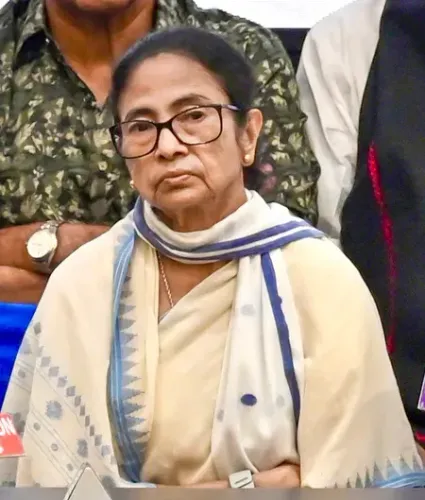
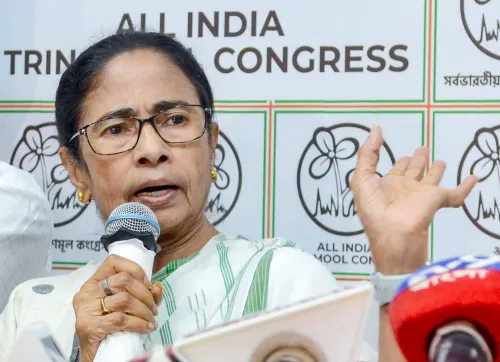
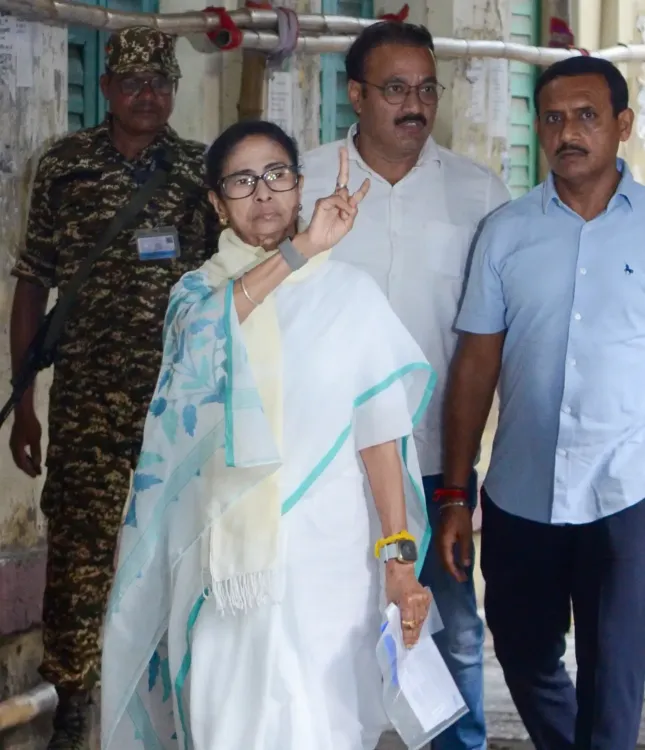
West Bengal Chief Minister Mamata Banerjee, after 15 years of uninterrupted rule, faces her most formidable electoral challenge yet from a resurgent Bharatiya Janata Party (BJP), with exit poll averages pointing to a razor-thin contest in the 2026 West Bengal Assembly election. The mandate, to be announced on 4 May, is expected to hinge decisively on south Bengal's 142 seats that went to polls in the second phase.
Exit Polls Paint a Knife-Edge Picture
The average of nine major exit polls projects a highly personalised and closely fought contest between the BJP and the incumbent Trinamool Congress (TMC). The 294-seat West Bengal Assembly requires 148 seats for a simple majority. Most exit polls cluster around this threshold, with the BJP reportedly poised for a potential breakthrough — though the margin remains narrow.
Notably, pollsters had similarly predicted a BJP government before the 2021 Assembly election, only for Banerjee to triumph decisively. The party will be wary of repeating that miscalculation.
The South Bengal Battleground
The contest is largely concentrated in south Bengal, where seven districts accounting for 142 seats went to polls in the second phase. Historically, the Trinamool Congress has swept this region, and it remains the ruling party's primary electoral fortress. In the 2021 election, south Bengal's overwhelming support handed Banerjee the last laugh despite widespread predictions of a BJP takeover.
This time, the region carries the same decisive weight. Anti-incumbency concerns — including women's safety, unemployment, and allegations of nepotism — have surfaced, but critics argue there has been no concerted wave strong enough for the BJP to ride on.
BJP's Northern Stronghold and Community Outreach
In north Bengal, the BJP has maintained a consistent lead through successive Parliamentary and Assembly elections, particularly since its dramatic surge in the 2019 Lok Sabha election, when it added 16 of West Bengal's 42 constituencies to its previous tally of just two. The Darjeeling hills and the industrial belt around Asansol have historically leaned saffron.
The party has also made inroads among the Matua community — a socio-religious group with roots in the Namasudra movement led by Harichand Thakur in the 19th century. Originally formed to challenge caste-based discrimination, the Matuas became a significant voice for marginalised Hindus who migrated from then East Pakistan during Partition. They are concentrated in districts like North 24 Parganas and Nadia, where their numbers constitute a decisive electoral bloc. The BJP has also performed strongly in tribal areas to the west, bordering Bihar, Jharkhand, and Odisha.
Mamata's Emotive Campaign and the SIR Controversy
Banerjee stormed the Left bastion in 2011 riding an emotive wave against farmland acquisition for industrialisation. Between 2006 and 2011, the Trinamool added more than 150 seats, virtually wiping out the Left Front and Congress — both of which now hold zero Assembly seats. This time, she has aggressively pitched against the Election Commission of India's (ECI) Special Intensive Revision (SIR) of electoral rolls and invoked Bengali pride as her central emotive plank.
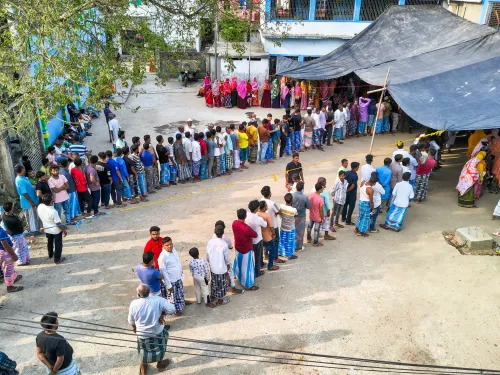
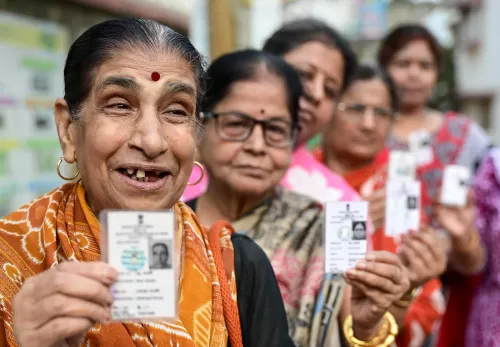
The SIR controversy reportedly drove a significant number of migrant voters to return to the state to exercise their franchise — a development both sides have interpreted through their own political lens. According to analysts, some voters feared deletion of their names from the rolls, while others returned out of a sense of duty to either support or oppose the incumbent government.
The Silent Voter Factor and What Comes Next
In a state known for political volatility and commitment, a large number of voters reportedly refrained from revealing their voting intent — a phenomenon that could cut either way on results day. The BJP counts on this silent voter bank as a potential reservoir of undisclosed support, while the Trinamool points to the absence of a visible anti-incumbency wave as evidence of its resilience.
With the 2024 Lok Sabha election having already trimmed the BJP's West Bengal tally to 12 seats — down from its 2019 peak — the party needs a significant south Bengal correction to form a government. All eyes now turn to 4 May, when the final verdict will determine whether Banerjee's emotive politics has once again outpaced the BJP's organisational push.
Point of View
Where the 2021 cycle proved that pollsters systematically underestimate Trinamool's south Bengal floor. The real story is structural: Mamata Banerjee has now twice converted emotive campaigns — farmland in 2011, Bengali identity in 2026 — into electoral shields against anti-incumbency. The BJP, despite its 2019 surge, has not cracked the code of south Bengal's social coalition. Until it does, north Bengal alone cannot deliver a majority. The silent voter narrative the BJP is banking on is the same one it deployed in 2021 — and was wrong about then too.
NationPress
16 Sept 2026
Frequently Asked Questions
When will the West Bengal 2026 Assembly election results be announced?
The West Bengal 2026 Assembly election results are scheduled to be announced on 4 May. The election was held in multiple phases, with the second phase covering 142 seats in south Bengal.
What do exit polls predict for the 2026 West Bengal election?
The average of nine major exit polls projects a highly competitive, near-majority contest between the BJP and Trinamool Congress. Most polls cluster around the 148-seat majority threshold, with the BJP predicted to be close to a potential breakthrough, though no clear winner has been projected.
Why is south Bengal so important in the 2026 West Bengal election?
South Bengal's seven districts account for 142 Assembly seats that went to polls in the second phase — nearly half the 294-seat House. The Trinamool Congress has historically swept this region, and it was south Bengal's overwhelming support that secured Mamata Banerjee's victory in 2021 despite widespread predictions of a BJP win.
What is the Matua community and why does it matter in West Bengal politics?
The Matua community is a socio-religious group rooted in the Namasudra movement founded by Harichand Thakur in the 19th century. Concentrated in North 24 Parganas and Nadia districts, Matuas are a decisive electoral bloc, and the BJP has successfully cultivated significant support among them in recent elections.
What is the SIR controversy that Mamata Banerjee campaigned against?
The Special Intensive Revision (SIR) of electoral rolls, conducted by the Election Commission of India, became a major campaign issue after Banerjee alleged it could lead to wrongful deletions of voter names. The controversy reportedly prompted a significant number of migrant voters to return to West Bengal to cast their votes, with both parties claiming this movement favours their side.