South Coast Railway Zone launches operations, fulfils North Coastal Andhra's decades-old demand

Synopsis
Four decades of agitation, two broken promises, and one gazette notification later — India's 18th railway zone is finally operational. The South Coast Railway, headquartered in Visakhapatnam, brings 385 stations, 62,000 jobs, and a ₹15,500 crore revenue mandate to a region that long argued it was being administered from the wrong city.
Key Takeaways
The South Coast Railway (SCoR) , India's 18th railway zone , commenced operations on 2 June 2025 with headquarters in Visakhapatnam .
The zone covers 385 stations , employs 62,000 staff , and is projected to earn approximately ₹15,500 crore annually.
It comprises four divisions: Visakhapatnam , Vijayawada , Guntur , and Guntakal , carved from the erstwhile SCR and ECoR .
The zone connects major ports including Visakhapatnam , Gangavaram , Krishnapatnam , Kakinada , and the upcoming Mulapeta Port .
PM Narendra Modi laid the foundation stone for the zonal headquarters in January 2025 at a cost of ₹149 crore ; Sandeep Mathur was appointed General Manager in June 2025 .
The demand for a separate zone dates to the 1980s ; a formal announcement was made in 2019 and a gazette notification issued on 5 May 2025 .
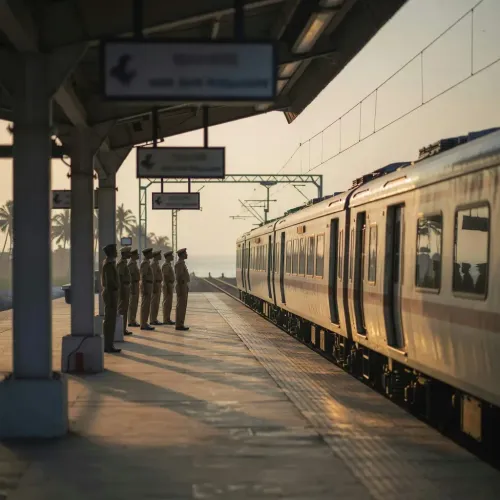
India's 18th railway zone, the South Coast Railway (SCoR), officially commenced operations on Monday, 2 June 2025, with its headquarters in Visakhapatnam, bringing to fruition a demand that the people of North Coastal Andhra had pursued for nearly four decades. The zone spans Andhra Pradesh and parts of neighbouring Telangana and Tamil Nadu, and is expected to reshape railway connectivity, freight logistics, and employment across the region.
What the New Zone Covers
The South Coast Railway Zone comprises four divisions: Visakhapatnam, Vijayawada, Guntur, and Guntakal. It has been carved out through the reorganisation of parts of the erstwhile South Central Railway (SCR) and East Coast Railway (ECoR). The truncated Waltair Division of the East Coast Railway has been renamed the Visakhapatnam Division.
The zone will oversee 385 railway stations, employ 62,000 staff members, and is projected to generate annual revenue of approximately ₹15,500 crore. During peak operational season, it is expected to handle more than 500 passenger trains and 800 goods trains.
Strategic Importance: Ports and Logistics
One of the zone's key mandates is improving cargo movement and multimodal logistics. The SCoR network connects major ports including Visakhapatnam, Gangavaram, Krishnapatnam, Kakinada, and the upcoming Mulapeta Port. This positions the zone as a critical artery for industrial freight in southern and eastern India.
A Demand Rooted in Decades of Agitation
According to state Bharatiya Janata Party (BJP) President PVN Madhav, the people's movement for a separate railway zone began in the 1980s. At the time of Andhra Pradesh's bifurcation in 2014, the then Congress-led UPA government had promised a new zone headquartered in Visakhapatnam. However, a formal announcement came only in 2019, when a Detailed Project Report (DPR) was prepared. Progress on administrative groundwork accelerated after the N. Chandrababu Naidu-led NDA government assumed office in the state in 2024.
In January 2025, Prime Minister Narendra Modi laid the foundation stone for the SCoR Zonal Headquarters in Visakhapatnam at a cost of ₹149 crore. The headquarters are currently operating temporarily from the Visakhapatnam Metropolitan Region Development Authority (VMRDA) office. In June 2025, the Centre appointed Sandeep Mathur as the zone's first General Manager. The Centre had issued a gazette notification establishing the zone on 5 May 2025.
A Rail Roko agitation was organised at Visakhapatnam Railway Station on 20 March 2010 by the BJP as part of a Joint Action Committee (JAC) that submitted multiple representations to successive Railway Ministers. Madhav noted that the Waltair Division's historical placement — first under South Eastern Railway headquartered in Kolkata, then under East Coast Railway headquartered in Bhubaneswar — had long been cited as a source of administrative neglect and inadequate infrastructure investment.
Political Response and Celebrations
Leaders across party lines described the launch as a historic milestone. Civil Aviation Minister K. Ram Mohan Naidu, a prominent leader from the region, visited railway stations in Srikakulam district on Monday alongside local MLAs to mark the occasion. The Telugu Desam Party (TDP) leader had earlier posted on X: 'The commencement of the South Coast Railway Zone is an emotional and long-cherished dream fulfilled for the people of Andhra Pradesh, especially Uttarandhra.' He also witnessed the installation of the welcome plaque near Ichchapuram and planted saplings at the site.
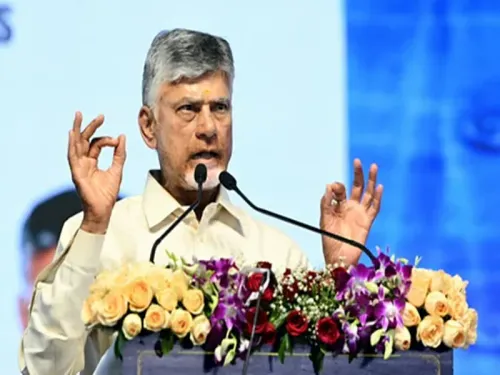
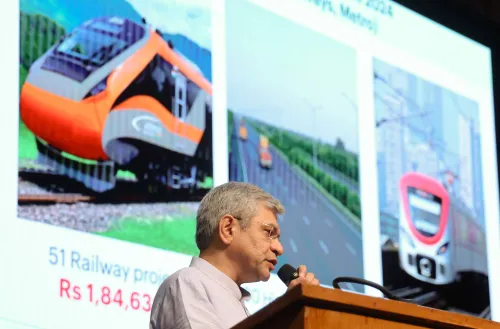
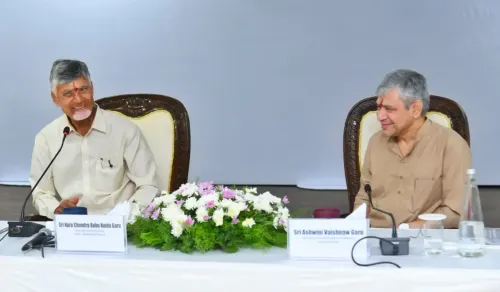
State Agriculture Minister K. Atchannaidu, Ram Mohan Naidu's uncle, said the new zone would transform North Andhra's transportation landscape and generate fresh employment. Railway Minister Ashwini Vaishnaw had reviewed SCoR's operational readiness during a visit to Visakhapatnam in April 2025, alongside Chief Minister Chandrababu Naidu.
What Comes Next
With the administrative structure now in place, attention will shift to the pace of infrastructure development — new lines, station upgrades, and freight terminal expansion — that the zone's creation was intended to accelerate. Whether the SCoR can deliver on its promise of balanced regional development and industrial connectivity will depend on capital allocation in successive railway budgets.
Point of View
The Centre announced it in 2019, and it took a state-level political shift in 2024 to actually accelerate the groundwork. The zone's real test is not its formation but its capital pipeline: railway zones without commensurate budget allocations risk becoming administrative shells. With the zonal headquarters still in a temporary building and the permanent structure only at foundation-stone stage, the gap between announcement and delivery remains wide. North Coastal Andhra's freight and passenger aspirations will be measured not by gazette notifications but by new lines sanctioned and trains introduced in the next three railway budgets.
NationPress
19 Oct 2026
Frequently Asked Questions
What is the South Coast Railway Zone and when did it start operations?
The South Coast Railway (SCoR) is India's 18th railway zone, headquartered in Visakhapatnam, which officially commenced operations on 2 June 2025. It spans Andhra Pradesh and parts of Telangana and Tamil Nadu, comprising four divisions: Visakhapatnam, Vijayawada, Guntur, and Guntakal.
How large is the South Coast Railway Zone?
The SCoR network covers 385 railway stations and will employ 62,000 staff members. It is projected to generate annual revenue of approximately ₹15,500 crore and handle over 500 passenger trains and 800 goods trains during peak season.
Why was the South Coast Railway Zone created?
The zone was created to address long-standing demands from North Coastal Andhra for dedicated railway administration, better infrastructure, and improved employment opportunities. The region had historically been administered under zones headquartered outside Andhra Pradesh, leading to perceived neglect of local passenger and freight needs.
How does the South Coast Railway Zone affect freight and port connectivity?
The SCoR connects major ports including Visakhapatnam, Gangavaram, Krishnapatnam, Kakinada, and the upcoming Mulapeta Port, making it a key node for cargo movement and multimodal logistics in southern and eastern India.
What is the history behind the demand for a separate railway zone in Visakhapatnam?
The demand dates to the 1980s, with agitations including a Rail Roko at Visakhapatnam Railway Station on 20 March 2010. The UPA government promised the zone at the time of Andhra Pradesh's bifurcation in 2014, a formal announcement came in 2019, and a gazette notification was issued on 5 May 2025 after administrative work was expedited under the Chandrababu Naidu-led government from 2024.