Supreme Court Transfers Investigation of 'Digital Arrest' Scam to CBI?
Synopsis
The Supreme Court's decision to hand over the 'digital arrest' scam investigation to the CBI signals a major step in tackling this alarming crime affecting vulnerable citizens. With advanced technology and regulatory measures on the table, the court aims to fortify protections against fraud.
Key Takeaways
Supreme Court transfers investigation to CBI .
CBI granted powers under Prevention of Corruption Act .
RBI to assist with AI and ML implementation.
Regulation of SIM card issuance proposed.
States urged to expedite cybercrime center setups.
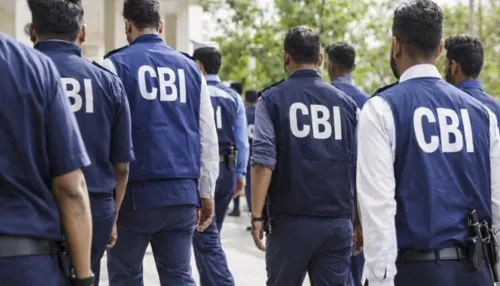
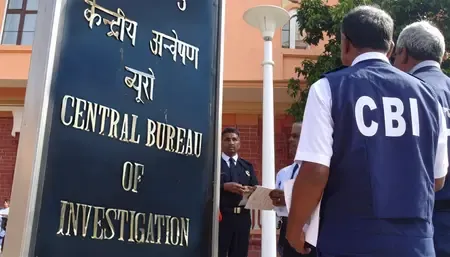
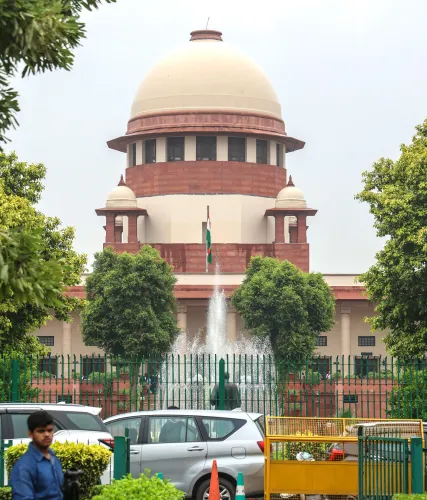
New Delhi, Dec 1 (NationPress) The Supreme Court has transferred the inquiry into the widespread ‘digital arrest’ scam to the Central Bureau of Investigation (CBI), empowering the agency with extensive authority to delve into what it characterized as a crime of significant magnitude and complexity.
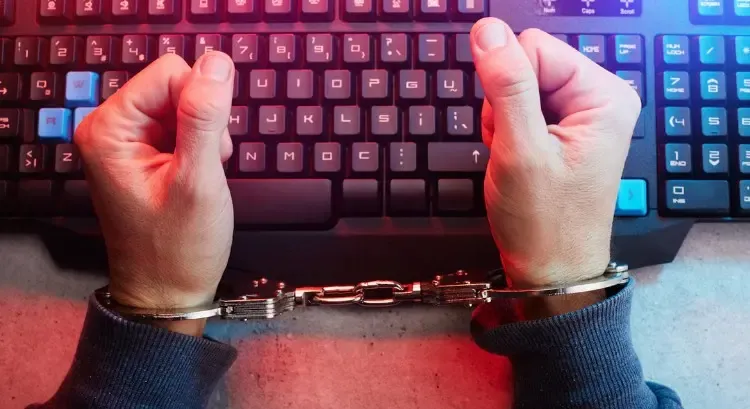
A Bench chaired by Chief Justice of India (CJI) Surya Kant stated that the CBI would serve as the primary agency responsible for investigating all incidents associated with the scam. This scheme involves swindlers masquerading as officials, coercing victims—often elderly individuals—into digitally orchestrated “arrests” and extorting funds.
In a pivotal decision, the court granted the CBI authority under the Prevention of Corruption Act (PCA) to probe the involvement of bankers who facilitated the creation of accounts exploited in these frauds.
The court also issued a notice to the Reserve Bank of India (RBI), making it a participant in the suo motu proceedings.
The Bench directed the RBI to assist in establishing timelines for the implementation of Artificial Intelligence and Machine Learning technologies to identify suspicious bank accounts and automatically freeze illicit gains.
Furthermore, the court mandated that all authorities comply with CBI requests as per the IT Intermediary Rules, 2021.
It stated that states lacking general consent for CBI investigations must allow the agency to probe IT Act cases within their territories to ensure seamless nationwide operations.
The CBI is also permitted to seek aid from Interpol as necessary.
The apex court instructed the Department of Telecommunications (DoT) to present a proposal on regulating the issuance of SIM cards and multiple SIMs linked to a single identity to avert misuse.
The Supreme Court urged state governments to expedite the establishment of cybercrime centers and report any obstacles to the court.
“Authorities must retain mobile phone data from all devices seized in cybercrime-related FIRs. All states and Union Territories must transfer FIRs filed under the IT Act, 2021, concerning the digital arrest scam, to the CBI,” the court emphasized.
The Bench noted that following its suo motu cognizance of the issue, numerous victims came forward seeking justice, leading to a significant number of FIRs being registered across various states, highlighting the serious nature of the scam.
CJI Surya Kant remarked, “The seriousness and extent of the crime can be assessed by the fact that in many states, senior citizens have been targeted by fraudsters employing diverse strategies. Each cybercrime case, especially those involving elderly victims, warrants thorough investigation. However, the digital arrest scam requires immediate action from the nation’s leading investigative agency.”
The matter is set to be reviewed in two weeks.
Point of View
The Supreme Court's intervention reflects a critical response to a growing cybercrime epidemic that disproportionately affects senior citizens. This decisive action not only signifies the judiciary's commitment to protecting vulnerable populations but also underscores the need for collaborative efforts among various governmental agencies to enhance cybersecurity measures. The ongoing situation requires vigilant monitoring as it evolves.
NationPress
31 Aug 2026
Frequently Asked Questions
What is the 'digital arrest' scam?
The 'digital arrest' scam involves fraudsters impersonating officials, coercing victims, often senior citizens, into staged digital arrests, and extorting money.
Who is investigating the scam now?
The Supreme Court has assigned the investigation to the Central Bureau of Investigation (CBI), making it the primary agency.
What powers has the CBI been granted?
The CBI has been empowered under the Prevention of Corruption Act to investigate the roles of bankers and use advanced technologies to combat the fraud.
What role will the RBI play in this investigation?
The Reserve Bank of India has been asked to assist in determining timelines for deploying AI and ML tools to detect suspicious bank activities.
What steps are being taken to prevent future scams?
The Supreme Court has directed the Department of Telecommunications to regulate SIM card issuance and urged states to set up cybercrime centers.