Tasmac to make digital payments mandatory above ₹500 in Tamil Nadu
Synopsis
Tasmac's plan to ban cash for liquor purchases above ₹500 is about more than convenience — it targets a system where over 80% of ₹150 crore in daily sales still flows through cash, exposing staff to theft and enabling overpricing. If enforced, it could fundamentally change how one of India's largest state liquor retail networks operates.
Key Takeaways
Tasmac plans to make digital payments compulsory for liquor purchases exceeding ₹500 at all outlets across Tamil Nadu .
Cash transactions will still be permitted for purchases up to ₹500 .
Despite a computerised system introduced in 2024 , reportedly more than 80% of Tasmac sales currently settle in cash.
Tasmac's average daily sales stand at nearly ₹150 crore , rising sharply on weekends and during festivals.
The move is expected to curb above-MRP pricing , reduce robbery risk during cash transport, and resolve frequent disputes over change.
Tasmac is assessing outlet-level infrastructure before formally implementing the ₹500 cash ceiling.
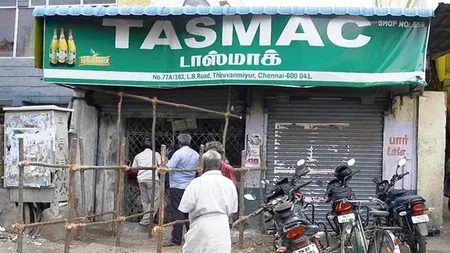
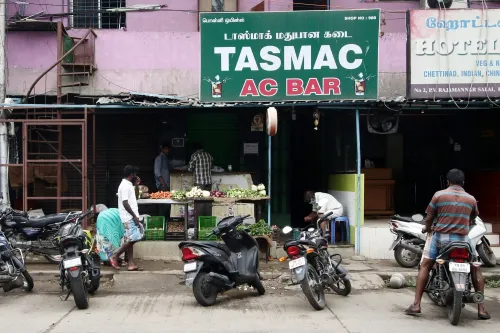
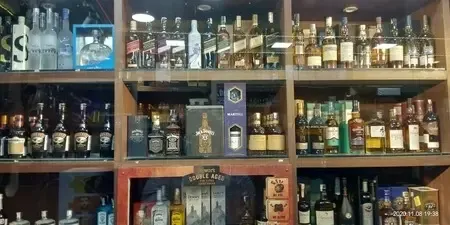
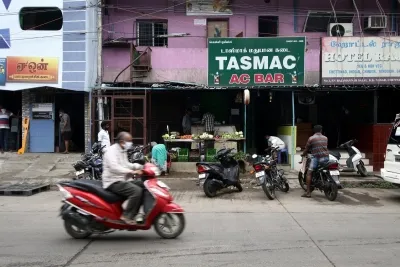
Tamil Nadu State Marketing Corporation (Tasmac) is set to mandate digital payments for all liquor purchases exceeding ₹500 at its retail outlets across the state, in a move aimed at reducing cash handling, improving transaction transparency, and curbing pricing irregularities. Detailed instructions to outlets are expected shortly, according to reports.
What the New Rule Proposes
Under the proposed arrangement, customers will still be permitted to pay in cash for purchases up to ₹500. Any transaction above that threshold will be required to be completed through digital payment modes. Tasmac is currently assessing the infrastructure requirements at individual outlets before a formal rollout.
Why Tasmac Is Making the Switch
The push for digital payments follows persistent concerns over the dominance of cash transactions despite Tasmac rolling out a computerised system in 2024. That system was designed to digitise operations across the supply chain — spanning liquor manufacturing units, warehouses, and retail shops. Staff at every outlet now scan each bottle using a handheld device before handing it to the customer, and the devices already support digital payments via QR codes. Despite this infrastructure, reportedly more than 80 per cent of liquor purchases at Tasmac outlets continue to be settled in cash.
The Scale of Cash at Stake
Tasmac records average daily sales of nearly ₹150 crore, with the figure rising considerably during weekends, festivals, and public holidays. Retail outlets typically hold the large volume of cash collected each day before transporting it to banks the following morning. Officials believe this large-scale cash handling exposes employees to robbery and theft, particularly during transit. A shift to digital payments is expected to reduce this risk and give the corporation a cleaner audit trail of every transaction.
Existing Online Facility Falls Short
Tasmac already operates an online platform that allows customers to select their preferred brands, pay digitally, and generate a collection code for use at a designated outlet. However, the facility has attracted complaints about delays in order fulfilment. Officials attributed the problem, in part, to some retail employees' preference for direct cash dealings — a pattern the new mandatory ceiling is explicitly intended to address.
Tackling Overpricing and Change Disputes
The proposed digital payment ceiling is also expected to help prevent outlets from charging above the officially prescribed maximum retail price (MRP). Digital records would allow authorities to verify the exact amount collected for each transaction and flag discrepancies more efficiently. Officials noted that the measure could additionally reduce frequent disputes at counters over the non-availability of change — a longstanding complaint from customers across the state.
With the infrastructure assessment underway, Tasmac's formal implementation timeline will depend on how quickly individual outlets can be made ready for the transition.
Point of View
But the 80% cash persistence after a 2024 computerisation push reveals a deeper implementation gap. The real challenge isn't policy — it's enforcement at the counter level, where employee preference for cash has already undermined an existing online facility. If the same ground-level resistance goes unaddressed, mandating digital payments risks becoming another headline measure that struggles in practice. The MRP overcharging angle is arguably the most consequential: digital trails could finally bring accountability to a retail network that has historically been difficult to audit.
NationPress
20 Sept 2026
Frequently Asked Questions
What is Tasmac's proposed digital payment rule?
Tasmac is planning to make digital payments compulsory for all liquor purchases exceeding ₹500 at its retail outlets across Tamil Nadu. Cash will still be accepted for transactions up to ₹500.
Why is Tasmac pushing for digital payments?
Officials cite multiple reasons: more than 80% of sales currently settle in cash despite a 2024 computerisation drive, large daily cash volumes expose staff to theft risk, and digital records would make it easier to detect overpricing and resolve change disputes.
How much does Tasmac collect daily?
Tasmac records average daily sales of nearly ₹150 crore, with figures rising significantly during weekends, festivals, and public holidays — making the scale of cash handling a serious operational and security concern.
Does Tasmac already offer digital payment options?
Yes. Tasmac operates an online platform where customers can select brands, pay digitally, and collect bottles using a generated code. Handheld devices at outlets also support QR code payments. However, over 80% of purchases reportedly still use cash, partly due to staff preference for direct cash transactions.
When will the ₹500 digital payment ceiling come into effect?
No formal implementation date has been announced. Tasmac is expected to first assess infrastructure requirements at individual outlets before issuing detailed instructions and rolling out the rule formally.