Sikkim becomes India's first paperless judiciary, CJI Surya Kant leads declaration
Synopsis
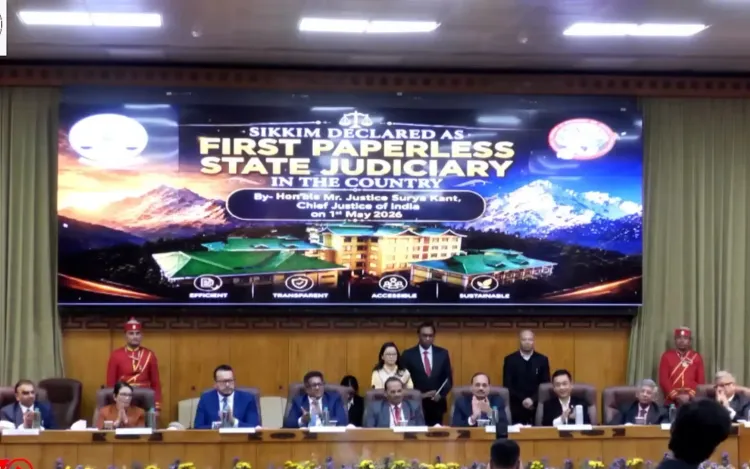
A small Himalayan state just outpaced every major Indian high court on judicial modernisation. Sikkim's declaration as India's first fully paperless judiciary — made by CJI Surya Kant in Gangtok — is both a governance milestone and a quiet rebuke to larger states still mired in physical files and procedural delays.
Key Takeaways
Sikkim was declared India's first paperless judiciary on 1 May 2025 in Gangtok .
CJI Surya Kant made the formal declaration at a national conclave organised by the High Court of Sikkim and the Sikkim Judicial Academy .
Supreme Court Judge J.K.
Maheshwari said the paperless model removes barriers like misplaced files and physical distance without replacing human judgment.
The Bar Association of Sikkim noted initial resistance from lawyers, which subsided as efficiency gains became evident.
Digital filing and virtual appearances are expected to be especially impactful given Sikkim's monsoon-related travel disruptions.
The two-day conclave was themed
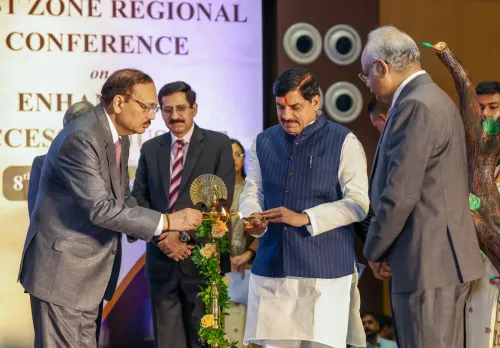
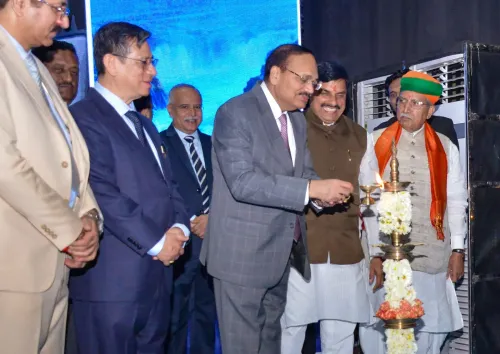
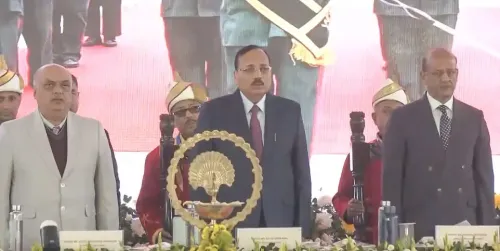
Sikkim was officially declared India's first paperless judiciary on 1 May 2025, marking a landmark moment in the country's judicial digitalisation drive. Chief Justice of India (CJI) Surya Kant made the formal declaration during a two-day national conclave held in Gangtok, attended by judges, legal experts, advocates, and policymakers from across India and abroad.
What the Declaration Means
The paperless judiciary model eliminates physical case files, manual documentation, and in-person procedural requirements, replacing them with fully digital workflows. CJI Surya Kant said that for litigants in remote and difficult terrains, technology was enabling a fundamental transformation in access to justice. He noted that in the past, distance was measured not in kilometres but in days of travel, uncertainty, and hardship — a reality that digital courts are now beginning to dismantle.
With digital systems in place, citizens are now directly connected to judicial forums, reducing procedural delays and dependence on physical paperwork. The CJI described technology as reshaping the very architecture of justice delivery in India.
Key Voices at the Conclave
Supreme Court Judge J.K. Maheshwari called the achievement remarkable, emphasising that a paperless judiciary does not replace human judgment but removes structural barriers — misplaced files, physical distance, and procedural inconvenience — that have historically kept citizens away from courts. According to him, the true purpose of technology in justice delivery is to eliminate obstacles between citizens and the courts.
Tashi Rapden Barphungpa, President of the Bar Association of Sikkim, termed the development a landmark moment for the Himalayan state. He acknowledged initial hesitation among members of the Bar when the electronic court system was first introduced, but said that as lawyers adapted and experienced improved efficiency, most concerns subsided. He highlighted that digital filing and virtual appearances would allow lawyers and litigants to participate in proceedings from their homes or offices — particularly significant in a state where landslides and adverse weather frequently disrupt travel during the monsoon.
Senior Advocate Jorgay Namka of the High Court of Sikkim credited the achievement to sustained cooperation among the judiciary, advocates, and the state government. He said the shift to a paperless system would improve judicial connectivity in remote parts of Sikkim and help ensure that justice reaches every citizen. He also noted that hosting a national-level judicial conclave in the presence of the CJI, Supreme Court judges, and international delegates was itself historic, and would open new avenues for Sikkim's institutional growth and visibility.
About the Conclave
The two-day conclave was organised by the High Court of Sikkim and the Sikkim Judicial Academy under the theme
Point of View
Typically those with dense populations and chronic case backlogs, have been the slowest to digitalise, while a small Himalayan state with a fraction of their caseload has crossed the finish line first. The real question is whether the Centre will treat Sikkim as a proof-of-concept and mandate timelines for other high courts, or whether this remains an outlier celebrated at conclaves but not replicated at scale. CJI Surya Kant's presence signals institutional endorsement — but endorsement without enforcement has a poor track record in Indian judicial reform.
NationPress
19 Sept 2026
Frequently Asked Questions
What does it mean for Sikkim to be India's first paperless judiciary?
It means Sikkim's courts have fully transitioned to digital workflows, eliminating physical case files, manual documentation, and mandatory in-person appearances. Lawyers and litigants can now file cases and attend hearings digitally, reducing delays and improving access, particularly in remote areas.
Who declared Sikkim as India's first paperless judiciary?
Chief Justice of India Surya Kant made the formal declaration on 1 May 2025 during a national judicial conclave held in Gangtok, organised by the High Court of Sikkim and the Sikkim Judicial Academy.
Why is a paperless judiciary especially important for Sikkim?
Sikkim's mountainous terrain and frequent monsoon-related landslides regularly disrupt travel, making physical court appearances difficult. Digital filing and virtual hearings allow litigants and lawyers to participate in proceedings without travelling to courthouses, significantly improving access to justice.
Were lawyers in Sikkim initially resistant to the electronic court system?
Yes, according to Bar Association of Sikkim President Tashi Rapden Barphungpa, there was initial hesitation among members of the Bar when the system was introduced. However, as lawyers adapted and experienced improved efficiency, most concerns subsided.
What could Sikkim's paperless judiciary model mean for the rest of India?
Sikkim's success provides a replicable model for other states, particularly those with remote or geographically challenging regions. Legal experts and judicial officers at the conclave indicated that the lessons from Sikkim's rollout could inform broader judicial digitalisation efforts across India's high courts and district courts.