NEET-UG retest: Rajasthan student arrested for selling fake papers via Telegram 'Paper Mafia' channel

Synopsis
A 19-year-old NEET aspirant from Bhilwara ran a Telegram channel called 'Paper Mafia', selling fabricated question papers for ₹4,000 each behind a US-based VPN — arrested just 72 hours before the rescheduled exam. The case exposes how quickly fraud networks adapted to the retest window, and why India's crackdown on Telegram is now a law-enforcement priority, not just a regulatory one.
Key Takeaways
Akash Choudhary , 19, was arrested from Patel Nagar, Bhilwara on 20 June , three days before the NEET-UG retest on 21 June .
He allegedly sold fake question papers through a Telegram channel named 'Paper Mafia' , charging ₹4,000 per paper via QR code payments.
Choudhary used a US-based VPN and proxy network to conceal his identity; the channel had around 52 members .
Police recovered a mobile phone , NEET study material, and documents; bank transactions and digital footprint are under examination.
Cases registered under cheating , the IT Act , and the Public Examination Act ; investigators are probing links to a wider fraud network.
Telegram restrictions linked to the NEET retest remain in force until 22 June ; the original NEET-UG was cancelled by NTA on 12 May following paper-leak allegations.
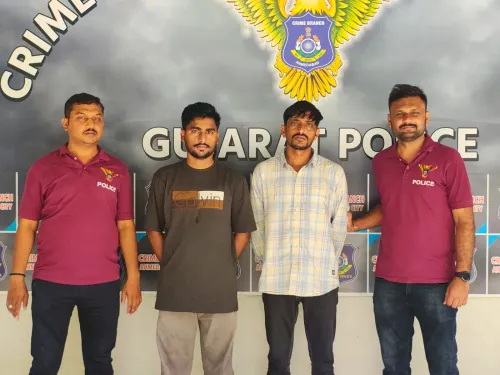
Rajasthan Police arrested a 19-year-old student, Akash Choudhary, from Bhilwara on 20 June for allegedly selling fake NEET-UG retest question papers through a Telegram channel named 'Paper Mafia', just three days before the rescheduled examination on 21 June. Choudhary allegedly used a US-based VPN and proxy network to mask his identity, and reportedly charged aspirants ₹4,000 per paper via QR code payments.
How the Fraud Operated
According to investigators, Choudhary created counterfeit question papers by scanning pages from standard NEET preparation books and circulating them as genuine examination material. The Telegram channel had approximately 52 members at the time of his arrest. Payments were collected through QR code transfers, making the trail harder to trace.
Police recovered a mobile phone, NEET study material, and several documents during a pre-dawn raid on his residence in Patel Nagar, Bhilwara. Authorities are now examining his bank transactions and digital footprint to determine whether he operated as part of a wider fraud network.
How Police Cracked the Case
Pratap Nagar SHO Sunil Tada said the Special Branch received a tip-off through the Government of India's S-Make portal flagging suspicious social media activity linked to alleged paper leaks. Simultaneously, the District Special Team (DST) received intelligence that a youth in Patel Nagar was selling fake 'Re-NEET papers' online. Following verification, police conducted the raid and took Choudhary into custody in the early hours of Friday, acting on intelligence inputs originally received from Delhi.
Choudhary, originally from the Rawatsar area of Churu district, had been living in Bhilwara with his family for nearly 25 years. After completing schooling in Bhilwara, he had moved to Jaipur for competitive examination preparation and reportedly returned home only two days before his arrest.
Charges Filed
Police have registered a case against Choudhary under charges of cheating, selling fake examination papers, relevant provisions of the IT Act, and the Public Examination Act. Investigators are working to establish how many candidates may have been defrauded, the total amount of money collected, and whether accomplices were involved.
Telegram Under Scrutiny Amid NEET Crisis
The arrest comes as Indian authorities have placed Telegram under heightened scrutiny in connection with the NEET-UG retest. Officials confirmed that restrictions on the platform's use related to the retest will remain in force until 22 June, with certain features — including message editing — temporarily disabled.
This comes amid a broader crisis surrounding the original NEET-UG examination, conducted nationwide on 3 May. Allegations of paper leaks and advance access to question papers surfaced from multiple states, prompting the National Testing Agency (NTA) to cancel the examination on 12 May and order a re-examination following consultations with the Central government and investigating agencies. The Bhilwara arrest is among the first criminal actions directly linked to the retest cycle, signalling that fraud networks had pivoted quickly to exploit the second window.
Point of View
It creates a second fraud window that bad actors exploit almost immediately. Choudhary's operation was small — 52 members, fabricated scans from prep books — but the infrastructure he used, a US-routed VPN and anonymous QR payments, is the same toolkit used by more organised networks. The fact that the tip came through the government's S-Make portal suggests the surveillance architecture is working, but the speed with which these channels proliferate means detection will always lag creation. India's real challenge is not catching the small-time operators after the fact; it is hardening the examination ecosystem so that the demand for 'leaked papers' collapses because aspirants stop believing leaks are real.
NationPress
24 Sept 2026
Frequently Asked Questions
Who is Akash Choudhary and why was he arrested?
Akash Choudhary is a 19-year-old student from Bhilwara, Rajasthan, arrested on 20 June for allegedly selling fake NEET-UG retest question papers through a Telegram channel called 'Paper Mafia'. He reportedly charged aspirants ₹4,000 per paper and used a US-based VPN to hide his identity.
Were the NEET question papers he sold genuine?
No. According to investigators, Choudhary created the fake papers by scanning pages from standard NEET preparation books and passing them off as genuine examination material. No actual question papers were leaked through his channel.
What charges has Rajasthan Police filed against him?
Police have registered a case under charges of cheating, selling fake examination papers, provisions of the IT Act, and the Public Examination Act. Investigators are also examining his bank transactions and digital footprint for links to a wider fraud network.
Why is Telegram under restrictions during the NEET retest?
Indian authorities placed Telegram under heightened scrutiny following allegations that the platform was being misused to spread rumours and facilitate examination fraud linked to the NEET-UG paper leak controversy. Restrictions related to the retest remain in force until 22 June, with certain features like message editing temporarily disabled.
Why was the NEET-UG retest ordered?
The National Testing Agency cancelled the original NEET-UG examination, conducted on 3 May, on 12 May after widespread allegations of paper leaks and candidates in multiple states receiving advance access to question papers. A re-examination was ordered following consultations with the Central government and investigating agencies.