RJD's Raj Bhavan march: Police detain Tejashwi Yadav in Patna
Synopsis
Police detained Bihar's Leader of Opposition Tejashwi Yadav and RJD MP Sudhakar Singh as an RJD march towards Raj Bhavan in Patna turned into a full confrontation — water cannons, mass detentions, and toy AK-47s as protest props. The flashpoint: student grievances, unemployment, and the Siwan firing controversy that the Bihar government has yet to credibly address.
Key Takeaways
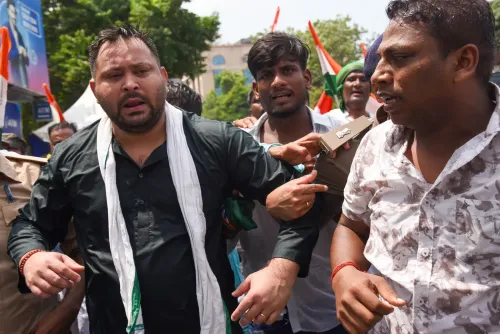
RJD workers clashed with police in Patna on 19 August during a march towards Raj Bhavan .
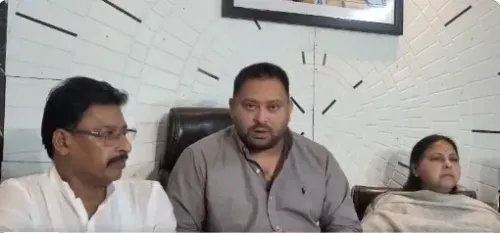
Tejashwi Yadav , Leader of Opposition in the Bihar Assembly, was detained near Income Tax Golambar .
Sudhakar Singh , RJD MP from Buxar , was also taken into custody.
Police deployed water cannons after protesters attempted to breach barricades at Dak Bungalow Crossing .
Key grievances cited: student issues, unemployment, alleged examination irregularities, and the Siwan AK-47 firing controversy .
Some protesters carried toy AK-47 replicas as a symbolic reference to the Siwan incident.
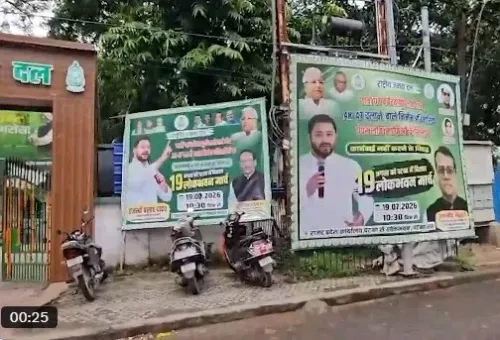
Rashtriya Janata Dal (RJD) workers and leaders clashed with police in Patna on Wednesday, 19 August, as the party attempted to march towards Raj Bhavan over a range of grievances — including student demands, unemployment, alleged examination irregularities, and the Siwan AK-47 firing controversy. The confrontation escalated into detentions, water cannon deployment, and widespread scuffles along the protest route.
How the Confrontation Unfolded
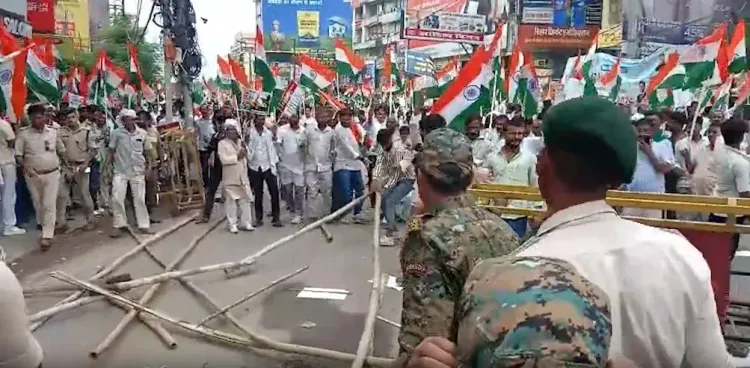
Patna Police had erected barricades along the route from JP Golambar towards Dak Bungalow Crossing ahead of the march. When demonstrators attempted to push past or dismantle the barriers, scuffles broke out. Police subsequently deployed water cannons to disperse the crowd.
Protesters responded by raising slogans against the Bihar government and police, many of them carrying the Tricolour and posters expressing solidarity with students. Some demonstrators arrived carrying toy replicas of AK-47 rifles as a symbolic reference to the Siwan firing incident — a pointed visual statement against the alleged use of firearms against students.
Key Detentions
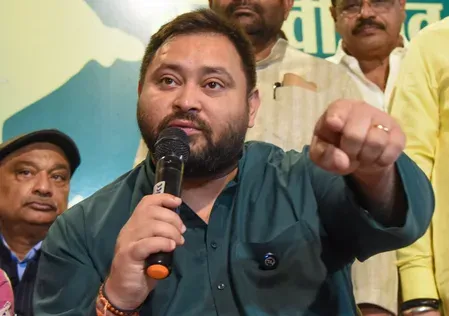
The situation grew particularly tense near Income Tax Golambar, where police detained Tejashwi Yadav, the Leader of Opposition in the Bihar Assembly, as he attempted to advance with the marchers. Several other protesters were subsequently taken into custody and transported away in buses.
Sudhakar Singh, the RJD Member of Parliament from Buxar, was also detained during the crackdown. RJD workers had converged on Patna from multiple districts across Bihar to participate in the demonstration.
What the RJD Said
Manoj Kumar Jha, RJD Rajya Sabha member, said the protest reflected deepening frustration among students and young people over unemployment and recurring examination-related controversies. The party also raised concerns over alleged paper leaks and irregularities in government recruitment processes.
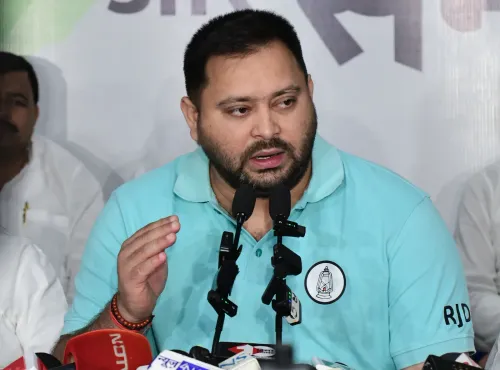
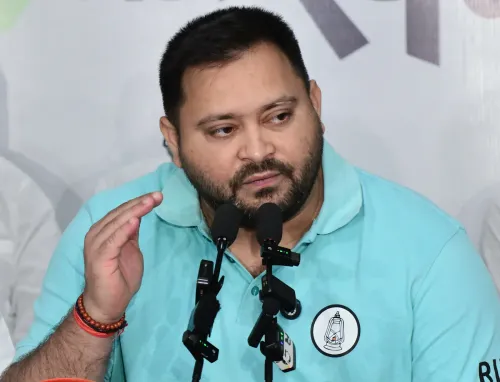
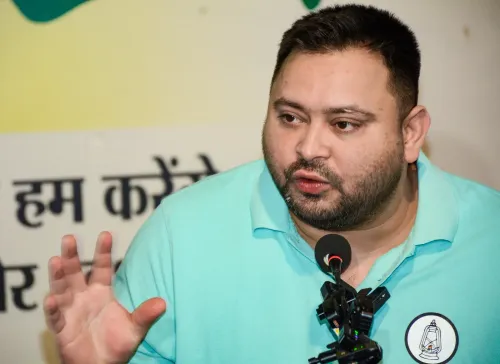
Tejashwi Yadav alleged that the administration was deliberately attempting to suppress legitimate opposition protest — a charge that the Bihar government has not publicly addressed as of the time of this report.
Security Arrangements and Police Response
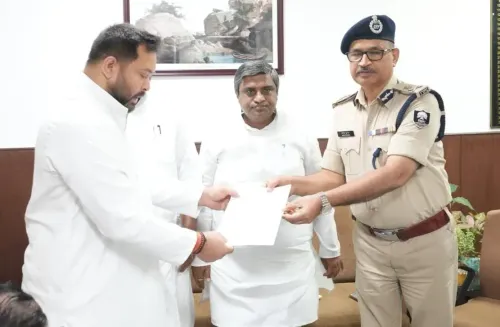
Security had been significantly reinforced across Patna ahead of the march, with a substantial police presence stationed along the protest route. Patna Inspector General Jitendra Rana was among the senior officials personally monitoring the situation on the ground.
Police personnel had reportedly been instructed to maintain law and order while avoiding the use of force without prior authorisation from senior officers. The deployment of water cannons suggests the situation exceeded initial containment plans.
Political Fallout
The march has sharpened the political confrontation between the RJD and the ruling establishment in Bihar. This comes amid a broader pattern of opposition parties using street protests to amplify student and youth grievances ahead of electoral cycles. The Siwan AK-47 controversy and alleged examination paper leaks have already generated significant political heat in the state, and Wednesday's crackdown is likely to intensify that pressure further.
Point of View
Still unresolved, is the kind of issue that festers when official silence meets street protest. The Bihar government's communication strategy on both counts appears thin.
NationPress
3 Oct 2026
Frequently Asked Questions
Why did the RJD march towards Raj Bhavan in Patna?
The RJD organised the march on 19 August to protest over student grievances, unemployment, alleged examination irregularities, and the Siwan AK-47 firing controversy. The party sought to draw attention to what it described as growing frustration among Bihar's youth over recurring recruitment and examination-related issues.
Was Tejashwi Yadav arrested during the Patna protest?
Tejashwi Yadav, the Leader of Opposition in the Bihar Assembly, was detained by police near Income Tax Golambar in Patna as he attempted to advance the march. Several other protesters and RJD MP Sudhakar Singh from Buxar were also taken into custody.
What is the Siwan AK-47 firing controversy?
The Siwan AK-47 firing controversy refers to an alleged incident involving the use of firearms in Siwan district, Bihar, which the RJD has raised as a case of excessive force. Protesters at the march carried toy AK-47 replicas as a symbolic reference to the incident, though the full details remain subject to official investigation.
How did police respond to the RJD march?
Patna Police erected barricades along the route from JP Golambar to Dak Bungalow Crossing and deployed water cannons when demonstrators attempted to breach them. Senior officials including Patna Inspector General Jitendra Rana monitored the situation. Police had been instructed to avoid using force without authorisation from senior officers.
What has the RJD said about the crackdown?
RJD Rajya Sabha member Manoj Kumar Jha said the protest reflected deep frustration among students and youth over unemployment and examination controversies. Tejashwi Yadav alleged that the administration was attempting to suppress the opposition's right to protest.