Tejashwi Yadav visits Raghopur Diyara boat tragedy families
Synopsis
RJD leader Tejashwi Yadav visited grieving families in Raghopur Diyara after a fatal boat accident claimed children's lives, expressed condolences on behalf of the RJD, and demanded a high-level impartial inquiry with strict action against negligent officials.
Key Takeaways
Tejashwi Yadav personally visited bereaved families in Raghopur Diyara on 14 October 2026 following a fatal boat accident.
The accident claimed the lives of children from the riverine island community, which depends entirely on boats for access.
Tejashwi expressed condolences on behalf of the Rashtriya Janata Dal (RJD) family.
He demanded a high-level, impartial inquiry into the incident and strict action against officials found guilty of negligence.
Raghopur Diyara is a flood-prone riverine zone in Bihar where boat transport is the only means of commute, making safety lapses especially consequential.
The Bihar government now faces public pressure to announce a formal probe and compensation package for victims' families.
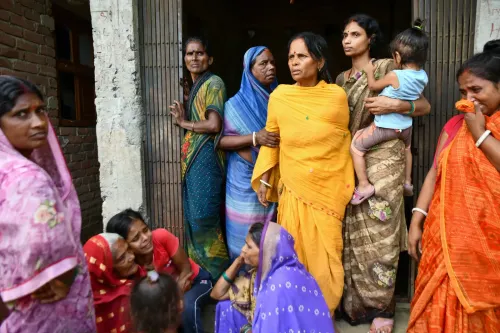
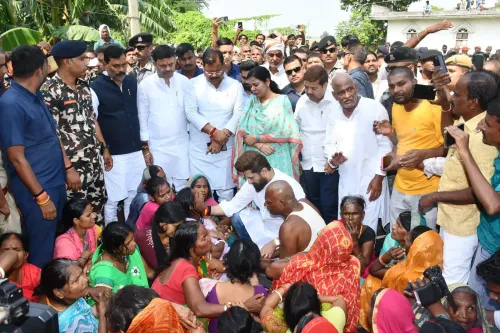
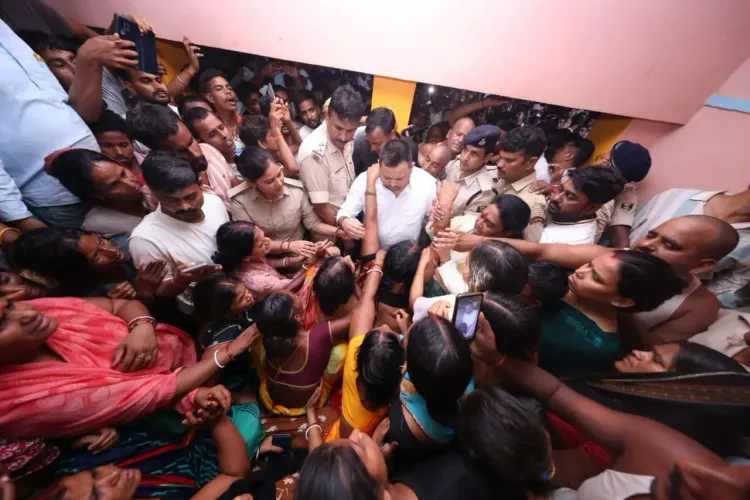
Grief settled over the riverine village of Raghopur Diyara on Wednesday, 14 October 2026, as RJD leader Tejashwi Yadav walked into the homes of families who had lost children in a devastating boat accident — and left carrying their demand for justice straight to the state's doorstep.
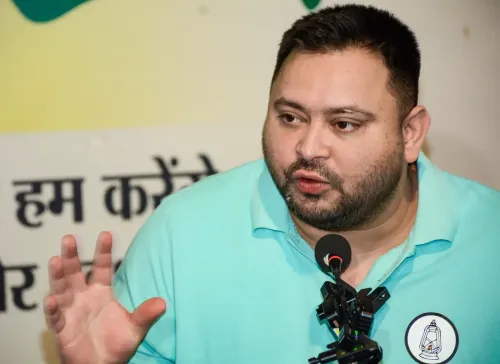
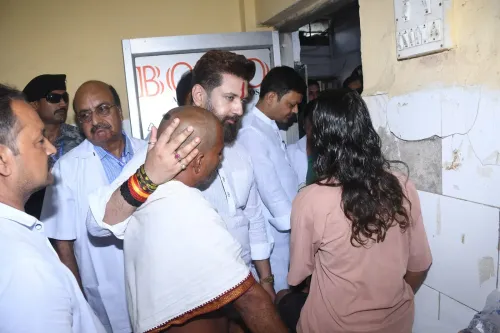
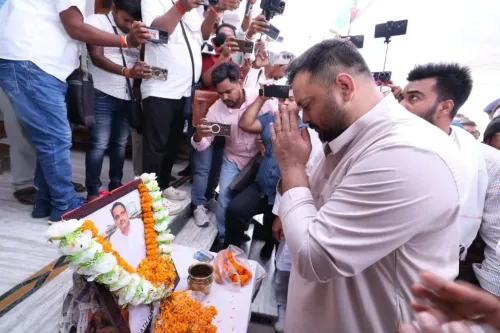
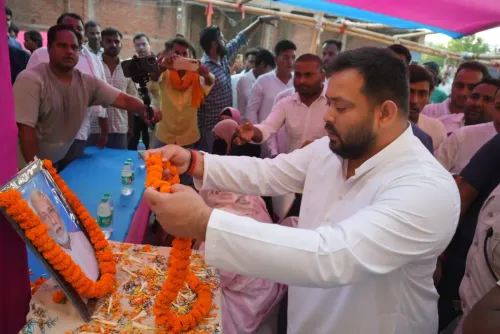
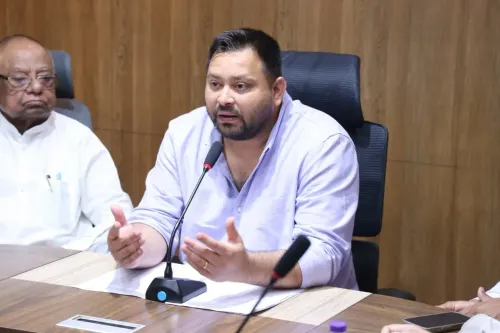
Tejashwi, posting on X after the visit, wrote: 'Raghopura Diyara mein hue marmaghaati naav haadse mein mritak bachhon ke shokaakul parijanon se mulaqaat kar RJD parivar ki ore se gehri shok samvednaen vyakt kin.' ('Met the grief-stricken families of the children who died in the heartbreaking boat accident in Raghopur Diyara, and expressed deep condolences on behalf of the RJD family.') He accompanied the post with four images from the condolence visit.
What happened at Raghopur Diyara
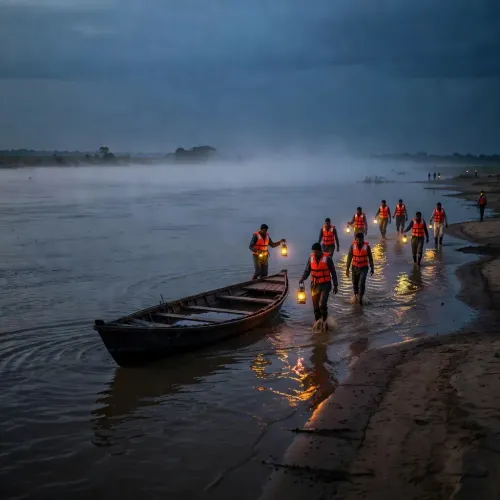
Raghopur Diyara is a riverine island community in Bihar — a stretch of low-lying land hemmed in by water, where boats are not a leisure option but the only way in or out. Every flood season tightens that dependence. When a boat goes down in a place like this, the dead are almost always children, labourers, or daily commuters — those who cannot afford to wait.
The specific casualty figures have not been confirmed through official channels, but the scale of grief was visible enough to draw Bihar's Leader of the Opposition to the site in person. Such visits by political figures in Bihar combine two things simultaneously: genuine community solidarity and a formal demand for state accountability.
Tejashwi's demand: inquiry and action against officials
Beyond the condolences, Tejashwi's post carried a sharp political edge. He called for a 'high-level, impartial inquiry' into the incident and demanded 'strict action against all officials found guilty of negligence, carelessness, and indifference.' The framing is deliberate — pinning the tragedy not just on the accident itself, but on a system that allowed preventable lapses to go unchecked.
Bihar's diara regions have seen recurring boat tragedies over the years, each one prompting the same cycle: political visits, inquiry announcements, demands for compensation, and — critics argue — inadequate follow-through on boat safety regulation. The pattern is well-established. What changes, case by case, is whether the pressure translates into structural reform or fades with the news cycle.
Pressure now on Bihar government to respond
With the Leader of the Opposition publicly on record demanding a probe, the ball moves firmly to the state administration. The key questions ahead: Will the Bihar government announce a formal inquiry committee? Will affected families receive a compensation package? And will assembly discussions force a reckoning with the persistent gaps in boat licensing, passenger safety, and emergency rescue in flood-prone zones?
The families of Raghopur Diyara are waiting. Bihar's riverine communities, dependent on boats every single day, are watching what comes next.
Point of View
' he positions the party not merely as a condolence-giver but as an accountability enforcer — a distinction that matters in Bihar's competitive political landscape. Boat tragedies in diara regions have historically exposed systemic gaps in disaster preparedness and riverine transport regulation, giving the Opposition a recurring governance critique to press. Whether this translates into legislative or administrative action will depend on the Bihar government's willingness to move beyond routine inquiry announcements.
NationPress
15 Oct 2026
Frequently Asked Questions
What happened in the Raghopur Diyara boat accident?
A fatal boat accident occurred in Raghopur Diyara, a riverine island region in Bihar, resulting in the deaths of children from the community. Specific casualty figures have not been officially confirmed.
Why did Tejashwi Yadav visit Raghopur Diyara?
RJD leader and Bihar Leader of the Opposition Tejashwi Yadav visited Raghopur Diyara on 14 October 2026 to meet the grieving families of children killed in a boat accident and to express condolences on behalf of the RJD.
What did Tejashwi Yadav demand after the boat accident?
Tejashwi demanded a high-level, impartial inquiry into the accident and called for strict action against all officials found guilty of negligence, carelessness, or indifference.
Where is Raghopur Diyara and why are boat accidents common there?
Raghopur Diyara is a riverine island in Bihar that is dependent on boat transport for access due to surrounding water bodies. Its flood-prone geography makes it vulnerable to boat accidents, especially during and after the monsoon season.
What action is expected from the Bihar government after the Raghopur Diyara tragedy?
With the Leader of the Opposition formally demanding a probe, the Bihar government faces pressure to announce an inquiry committee, disburse compensation to victim families, and review boat safety regulations in riverine zones.