Textiles Ministry ensures 80% gas supply amid Strait of Hormuz disruptions
Synopsis
With the Strait of Hormuz closed and West Asia in conflict, India's Textiles Ministry is running a quiet but multi-layered intervention — guaranteeing 80% gas supply via GAIL spot purchases, deferring customs duty on 29 inputs, and pushing for anti-dumping relief on key yarns. The sector's scale of employment is driving its priority status.
Key Takeaways
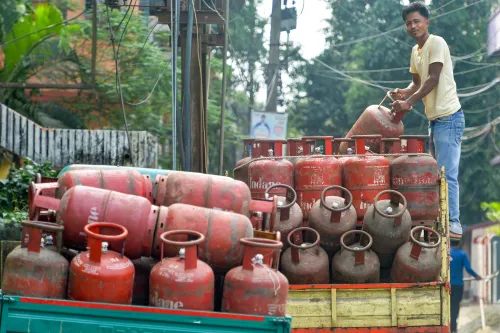
Natural gas supply to the textiles and handicrafts sector is being maintained at 80% of the past six months' average consumption despite Strait of Hormuz closure.
GAIL is intermittently sourcing gas from the spot market to cover any supply shortfall.
Customs duty has been deferred on 29 key textile inputs ; the ministry is pursuing further duty removal on the MMF value chain and cotton .
The Ministry of Textiles has recommended removal or deferment of anti-dumping duty on elastomeric filament yarn (EFY) and viscose rayon filament yarn (VFY) to the Department of Revenue .
Weekly stakeholder meetings are being held with EPCs, domestic associations, and cluster bodies from Tirupur , Surat , and Pali Balotra .
DG Shipping advisories, including the use of alternate port Jeddah , are being circulated to help stakeholders manage logistics disruptions.
The Ministry of Textiles on Tuesday, 28 April said natural gas supply to the textiles and handicrafts sector is being maintained at 80 per cent of the past six months' average consumption, despite import disruptions caused by the closure of the Strait of Hormuz. The sector has been categorised as a priority industry owing to the large number of workers it employs across the country.
Gas Supply and GAIL's Role
Public sector gas utility GAIL is intermittently sourcing supplies from the spot market to bridge any shortfall arising from the ongoing geopolitical disruptions in West Asia. The ministry has set up a dedicated monitoring cell that tracks supply levels across textile clusters and escalates any shortfall directly to GAIL authorities for spot market procurement. The arrangement is designed to insulate downstream producers from the worst of the supply volatility.
Customs Duty Relief and Anti-Dumping Measures
In a parallel relief measure, customs duty has been deferred on 29 key textile inputs to ease supply chain pressure. The ministry is additionally pursuing the removal of customs duty on other critical inputs, including the man-made fibre (MMF) value chain and cotton, the statement said.
Downstream producers have flagged that anti-dumping duties on certain inputs are compounding sourcing difficulties amid volatile prices. After an internal analysis factoring in employment generation, MSME participation, and supply chain disruptions, the Ministry of Textiles has recommended to the Department of Revenue the removal or deferment of anti-dumping duty on elastomeric filament yarn (EFY) and viscose rayon filament yarn (VFY).
Stakeholder Consultations and Cluster Monitoring
The ministry is holding weekly meetings with a broad cross-section of stakeholders, including Export Promotion Councils (EPCs), domestic industry associations, and regional cluster bodies representing Tirupur, Surat, and Pali Balotra. State government officials are also part of these consultations.
Separately, the ministry organised an outreach programme on the Resilience & Logistics Intervention for Export Facilitation (RELIEF) Scheme of the Department of Commerce. The Carpet Export Promotion Council (CEPC) held a webinar on 6 April on RELIEF measures, while the Export Promotion Council for Handicrafts (EPCH) conducted an awareness seminar on 20 April focused on logistics challenges arising from the West Asia crisis.
Shipping Advisories and Alternate Routing
Advisories issued by DG Shipping are being circulated among all stakeholders. The ministry is also disseminating information on the use of alternate ports — including Jeddah — for supplies destined for West Asia, as shipping lines adapt to the disrupted regional routes. Discussions at industry seminars have centred on global shipping disruptions, alternative routing strategies, logistics planning, cost optimisation, and compliance requirements.
With the Middle East conflict showing no immediate signs of resolution, the ministry's multi-pronged approach — spanning energy security, duty relief, and logistics support — will be tested by how long the Strait of Hormuz remains disrupted and whether spot market gas procurement can sustainably bridge the supply gap.
Point of View
A dedicated monitoring cell, and proactive anti-dumping relief recommendations signal a sector that has learned from the Covid-era supply chain collapse. Yet the 80% gas guarantee is only as durable as GAIL's ability to source competitively on the spot market, which becomes harder and costlier the longer the conflict persists. The push to remove customs duty on cotton and the MMF value chain is a long-overdue structural correction that the crisis has conveniently accelerated. The real question is whether these emergency measures translate into permanent policy reform, or revert once the Hormuz situation stabilises.
NationPress
19 Sept 2026
Frequently Asked Questions
Why is India's textiles sector getting priority gas supply despite the Strait of Hormuz closure?
The textiles and handicrafts sector has been classified as a priority industry by the government due to the large number of workers it employs. This classification ensures its natural gas supply is maintained at 80% of the past six months' average consumption even amid import disruptions.
What is GAIL doing to bridge the gas supply gap for the textiles sector?
GAIL is intermittently purchasing gas from the spot market to meet domestic demand when regular supply channels are disrupted. The Ministry of Textiles' monitoring cell escalates any shortfall directly to GAIL authorities to trigger these spot purchases.
Which customs duties have been deferred to support the textiles sector?
Customs duty has been deferred on 29 key textile inputs. The Ministry of Textiles is also pursuing the removal of customs duty on the MMF value chain and cotton to further ease supply chain pressure amid the ongoing Middle East conflict.
What anti-dumping duty relief has the Textiles Ministry sought?
After an internal analysis, the Ministry of Textiles has recommended to the Department of Revenue the removal or deferment of anti-dumping duty on elastomeric filament yarn (EFY) and viscose rayon filament yarn (VFY), citing volatile prices and supply chain disruptions.
How is the government coordinating with the textiles industry on logistics disruptions?
The ministry holds weekly meetings with Export Promotion Councils, domestic associations, and cluster bodies from Tirupur, Surat, and Pali Balotra. DG Shipping advisories, including use of alternate ports like Jeddah, are being circulated, and industry seminars on alternative routing and cost optimisation have been organised.