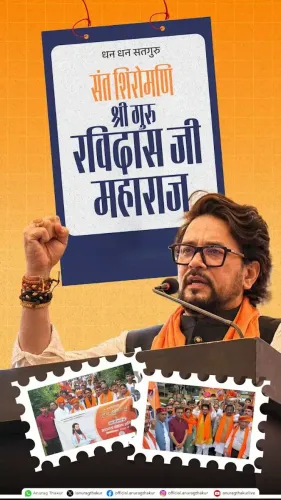
Anurag Thakur Marks Sant Ravidas's 650th Jayanti
Synopsis
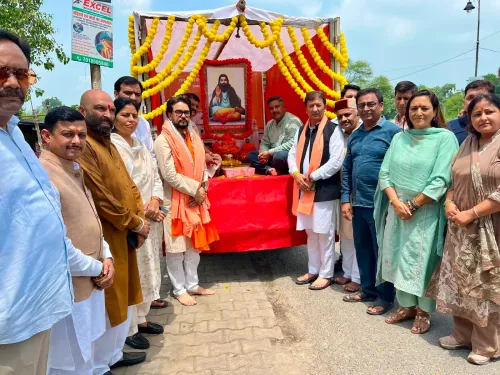
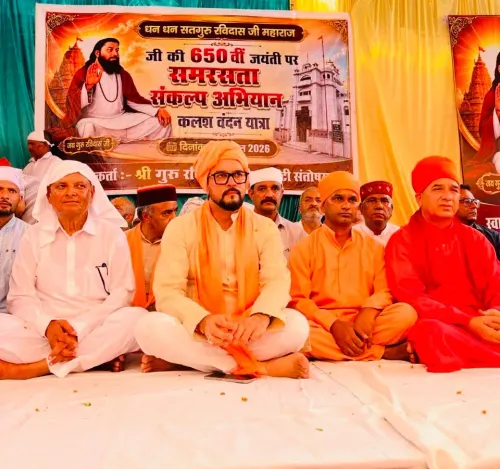
BJP MP Anurag Thakur marked Sant Ravidas's 650th Jayanti on 9 August 2026, linking PM Modi's 'Sabka Saath' framework to the 15th-century Bhakti saint's teachings on equality and social harmony, as events were held nationwide.
Key Takeaways
BJP MP Anurag Thakur posted on 9 August 2026 marking Sant Ravidas's 650th Jayanti .
He linked the occasion to PM Narendra Modi 's 'Sabka Saath, Sabka Vikas, Sabka Vishwas, Sabka Prayas' governance mantra.
Sant Ravidas was a 15th-century Bhakti saint whose compositions on caste equality were included in the Guru Granth Sahib .
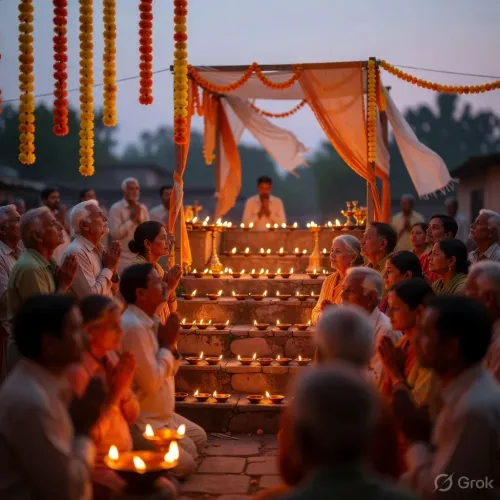
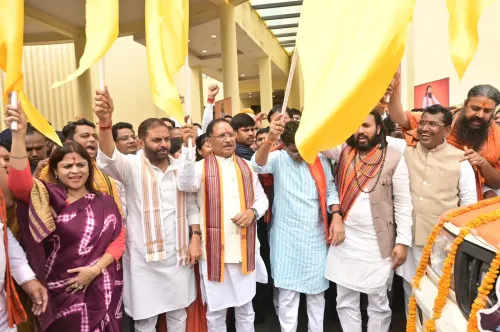
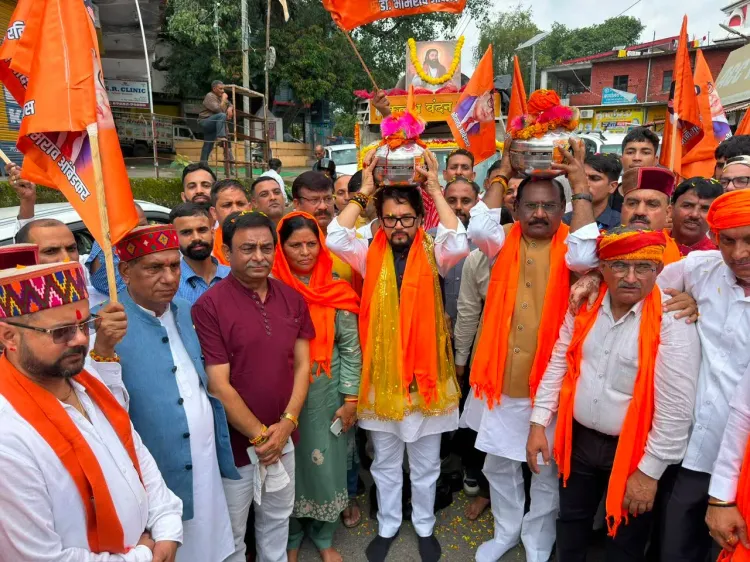
Nationwide programmes on social reform and social harmony are being organised to mark the anniversary.
The BJP has consistently used medieval Bhakti saints in public messaging to reinforce anti-discrimination themes and broaden outreach to Scheduled Caste and OBC communities .
Fifteen centuries after a cobbler-saint from Varanasi composed verses that cut through caste walls, his 650th birth anniversary is drawing nationwide observances — and a pointed reminder from BJP MP Anurag Thakur that those teachings remain a live compass for modern India.
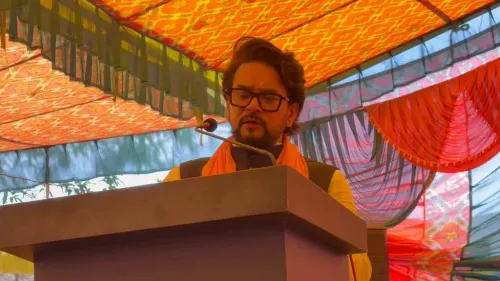
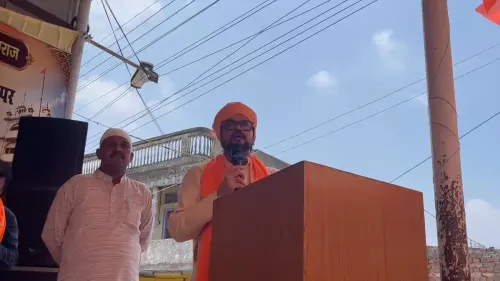
Thakur, the Lok Sabha MP from Hamirpur, Himachal Pradesh and former Union Minister, posted on Sunday, 9 August 2026 invoking Prime Minister Narendra Modi's governing mantra — 'Sabka Saath, Sabka Vikas, Sabka Vishwas, Sabka Prayas' (Together with all, development for all, trust of all, effort of all) — as the animating spirit behind events being held across the country to mark the occasion. 'Sant Ravidas Ji's life and teachings continue to show society the path of unity, equality and brotherhood,' he wrote, adding that those teachings inspire every section of society to rise above caste and sectarian distinctions.
The saint whose verses still unsettle hierarchies
Sant Ravidas — also known as Raidas — was a 15th-century Bhakti poet and social reformer born into the Chamar community in what is today Uttar Pradesh. His compositions, several of which were absorbed into the Guru Granth Sahib, attack caste pride with a directness that reads as startlingly contemporary. His central argument was simple and radical: devotion to the divine recognises no birth hierarchy. That message made him a touchstone for Dalit identity movements for generations after his death.
The 650th Jayanti carries particular symbolic weight. Programmes linking social reform to the anniversary are being organised at state and central levels, reflecting how the occasion is being used to foreground inclusion as a national theme rather than a community-specific commemoration.
BJP's Bhakti-saint playbook and its political logic
Thakur's post is consistent with a deliberate pattern in BJP messaging over the past decade. The party has systematically elevated medieval Bhakti saints — Ravidas, Kabir, Tukaram — in public communication, tying their anti-caste teachings to the NDA's 'Sabka Saath' framework first announced in 2014. The strategy serves a dual purpose: it grounds welfare policy in a recognisable cultural idiom, and it signals outreach to Scheduled Caste and OBC voters who revere these figures.
For the BJP, invoking Ravidas is not merely ceremonial. It is an argument — that the party's social inclusion agenda is the contemporary expression of a centuries-old reform tradition, not a departure from it.
Whether the anniversary programmes translate into durable policy momentum on social equity is the question that will outlast the celebrations.
Frequently Asked Questions
When is Sant Ravidas Jayanti in 2026?
Sant Ravidas Jayanti in 2026 marks his 650th birth anniversary and is being observed with nationwide social harmony events, as noted in posts by BJP leaders on 9 August 2026.
Who was Sant Ravidas and why is he important?
Sant Ravidas was a 15th-century Bhakti saint and social reformer born into a lower-caste community whose poetry championed equality and rejected caste hierarchy; several of his compositions are enshrined in the Guru Granth Sahib.
What is the 'Sabka Saath, Sabka Vikas' mantra Anurag Thakur mentioned?
'Sabka Saath, Sabka Vikas' — 'Together with all, development for all' — is the NDA government's social inclusion framework announced in 2014, later expanded to include 'Sabka Vishwas' (trust of all) and 'Sabka Prayas' (effort of all).
Why does the BJP highlight Bhakti saints like Ravidas?
The BJP uses Bhakti saints such as Ravidas and Kabir in public messaging to reinforce anti-caste, pro-equality themes and to signal outreach to Scheduled Caste and OBC communities who revere these figures.
What events are being held for Ravidas Jayanti 2026?
Social reform and social harmony programmes are being organised across India to mark the 650th Jayanti, though the precise scale and locations of specific events are still being confirmed.