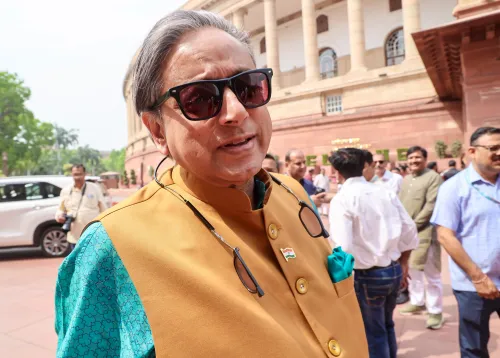
Shashi Tharoor moves Delhi HC over AI deepfakes, personality rights
Synopsis
Shashi Tharoor has joined a growing queue of Indian celebrities rushing to the Delhi High Court over AI deepfakes and unauthorised identity exploitation — a legal trend that is outpacing India's legislation on the issue. With no dedicated deepfake law in place, court orders are currently the only shield available.
Key Takeaways
Congress MP Shashi Tharoor filed a petition in the Delhi High Court seeking protection of his personality and publicity rights against AI-generated and morphed content.
The matter is scheduled before a single-judge Bench of Justice Mini Pushkarna on Friday, 9 May 2025 .
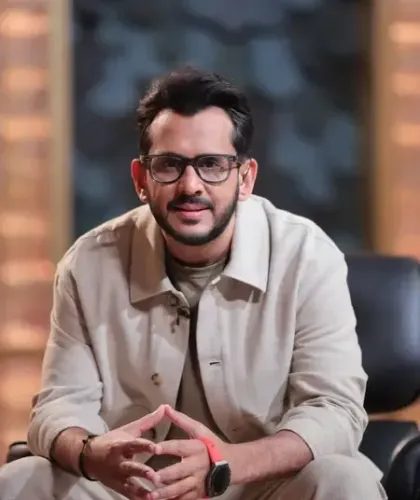
On the same day, the court indicated it would pass an interim order protecting Aman Gupta , co-founder of boAt Lifestyle , in a similar suit.
In recent months, over 10 celebrities — including Gautam Gambhir , Aishwarya Rai Bachchan , and Karan Johar — have secured court protection against AI-based identity misuse.
India currently has no dedicated legislation governing deepfakes or AI-generated impersonation, making court orders the primary legal remedy.
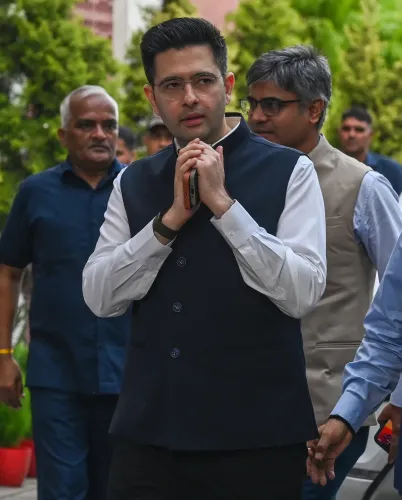
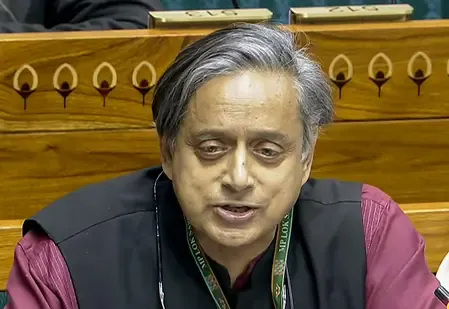
Congress MP Shashi Tharoor has approached the Delhi High Court seeking protection of his personality and publicity rights against the alleged misuse of his name, likeness, and identity across digital platforms, including through AI-generated and morphed content. The matter is scheduled to be heard on Friday, 9 May 2025, by a single-judge Bench of Justice Mini Pushkarna, according to the cause list published on the court's official website.
What Tharoor Has Sought
Tharoor has reportedly sought relief against several defendants, including unidentified persons impleaded as John Doe parties, alleging unauthorised use and commercial exploitation of his persona. The plea is also stated to seek the removal of deepfake and AI-morphed content allegedly circulating online using his identity without consent. No consent was reportedly given for any such commercial or digital use of his likeness.
Aman Gupta Case Heard the Same Day
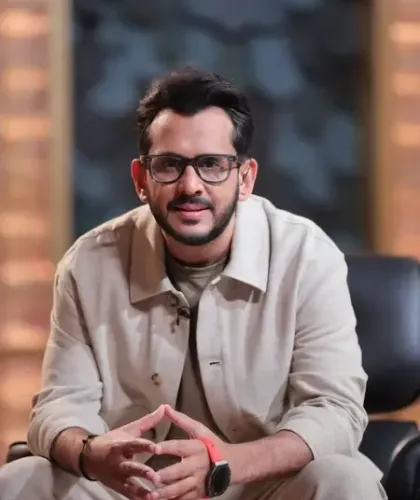
The filing comes on the same day the Delhi High Court indicated it would pass an interim order protecting the personality and publicity rights of entrepreneur and Shark Tank India judge Aman Gupta. A single-judge Bench of Justice Tushar Rao Gedela heard submissions on behalf of Gupta, co-founder of electronics brand boAt Lifestyle. That suit alleged the circulation of fake endorsements, AI-generated impersonations, unauthorised merchandise, fraudulent event-booking services, and objectionable online content linked to Gupta's identity.
A Growing Trend at Delhi High Court
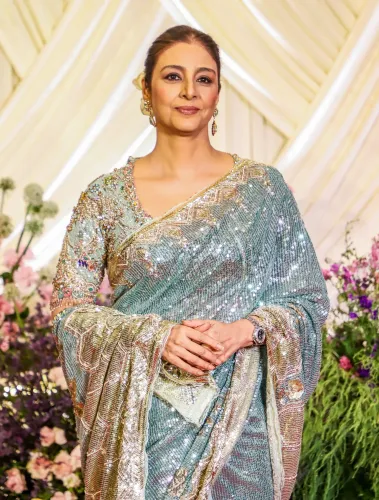
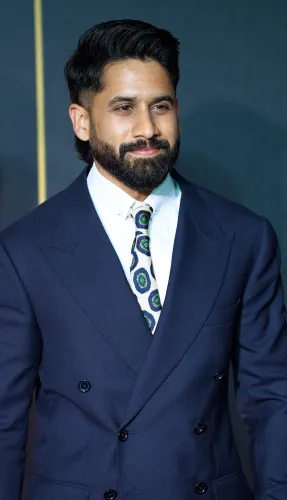
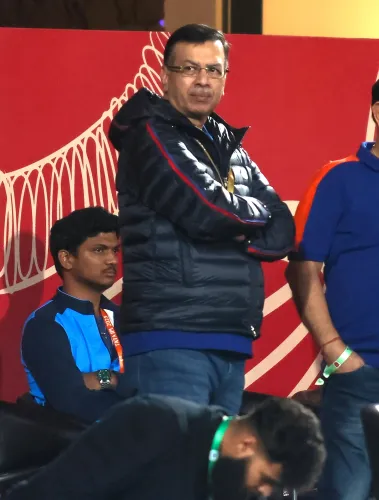
The Tharoor petition adds to a rapidly expanding list of high-profile personalities invoking personality and publicity rights before the Delhi High Court. In recent months, the court has granted protection to former cricketer and current head coach Gautam Gambhir, former cricket captain Sunil Gavaskar, spiritual leader Sri Sri Ravi Shankar, actors Arjun Kapoor, Allu Arjun, Nagarjuna, Kajol, Aishwarya Rai Bachchan, and Abhishek Bachchan, singer Jubin Nautiyal, filmmaker Karan Johar, and podcaster Raj Shamani. Each case involved allegations of unauthorised use of identity, likeness, or AI-generated imitations.
Why This Matters
The surge in personality rights litigation reflects a broader crisis around AI-generated impersonation and deepfake content in India, where no dedicated legislation currently governs such misuse. The Delhi High Court has emerged as the primary judicial forum for such disputes, with its rulings potentially setting precedents for how Indian law treats digital identity theft and AI exploitation of celebrity personas. Notably, India's Information Technology Act does not explicitly address deepfakes or AI-generated content, making these court orders among the few available remedies for affected individuals.
With the Tharoor matter set for hearing this week, the court's direction on interim relief will be closely watched by legal experts and digital rights advocates alike.
Frequently Asked Questions
Why has Shashi Tharoor approached the Delhi High Court?
Shashi Tharoor has moved the Delhi High Court seeking protection of his personality and publicity rights against the alleged unauthorised use of his name, likeness, and identity on digital platforms, including through AI-generated and deepfake content. The matter is listed for hearing on 9 May 2025.
What is a personality rights case in India?
A personality rights case seeks legal protection for a person's name, image, likeness, and identity from unauthorised commercial exploitation or misuse. Indian courts, particularly the Delhi High Court, have increasingly granted such protection to celebrities facing AI-generated impersonation and fake endorsements.
Who else has filed similar cases at the Delhi High Court?
In recent months, Gautam Gambhir, Sunil Gavaskar, Sri Sri Ravi Shankar, Arjun Kapoor, Allu Arjun, Kajol, Aishwarya Rai Bachchan, Abhishek Bachchan, Jubin Nautiyal, Karan Johar, and Raj Shamani have all secured court protection against unauthorised use of their identity or AI-generated imitations.
What is the Aman Gupta personality rights case about?
Aman Gupta, co-founder of boAt Lifestyle and a judge on Shark Tank India, filed a suit alleging widespread unauthorised exploitation of his identity, including fake endorsements, AI-generated impersonations, unauthorised merchandise, and fraudulent event-booking services. The Delhi High Court indicated it would pass an interim protection order in his favour.
Does India have a law against deepfakes or AI impersonation?
India currently has no dedicated legislation specifically governing deepfakes or AI-generated impersonation. Affected individuals primarily rely on court orders under existing civil law and the Information Technology Act, making the Delhi High Court's rulings in these personality rights cases particularly significant as emerging legal precedents.