Tharoor remembers Indira Gandhi on birth anniversary
Synopsis
Congress MP Dr. Shashi Tharoor marked Indira Gandhi's birth anniversary on 19 November 2026 with a candid personal tribute, recalling meetings from 1974, noting his own criticism of the Emergency, and saluting her decisive 1971 military leadership that created Bangladesh.
Key Takeaways
Shashi Tharoor posted a tribute to Indira Gandhi on her birth anniversary, 19 November 2026 .
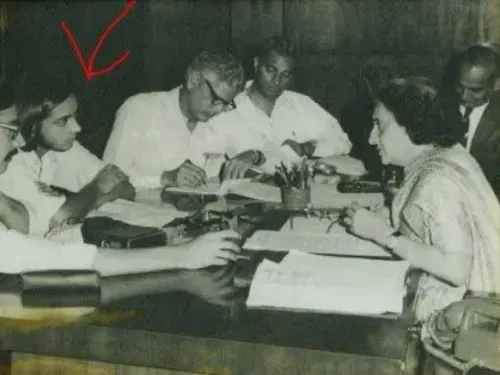
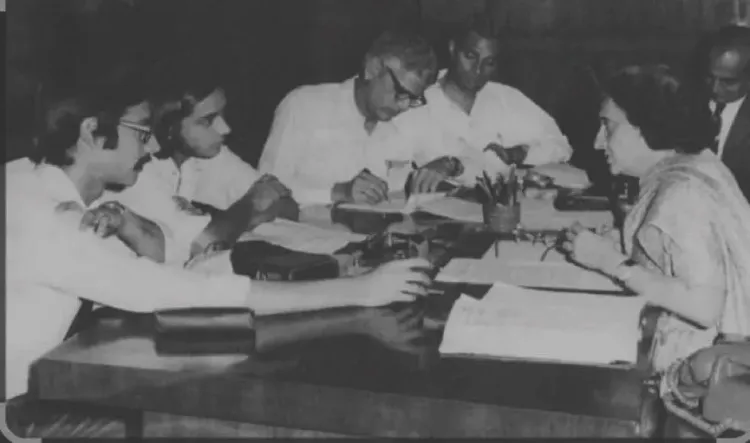
Tharoor recalls first meeting Gandhi in 1974 as an 18-year-old student and interviewing her after her 1977 electoral defeat for his doctoral research.
He explicitly states he was 'an outspoken critic of the Emergency' while still acknowledging her formidable legacy.
The tribute highlights India's 1971 military victory that led to the creation of Bangladesh as her defining foreign-policy achievement.
Indira Gandhi was assassinated on 31 October 1984 ; Tharoor describes it as a personal shock.
The statement reflects a strand within Congress that seeks an honest, unvarnished reckoning with her contested legacy.
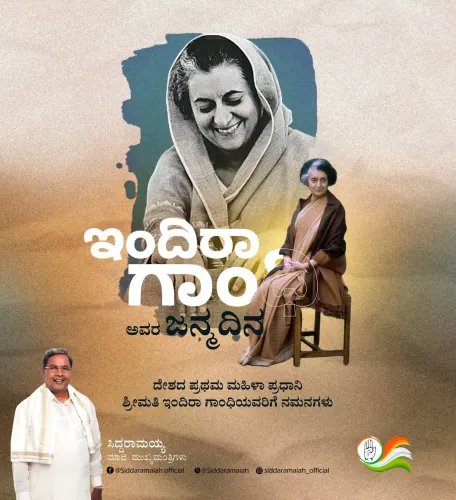
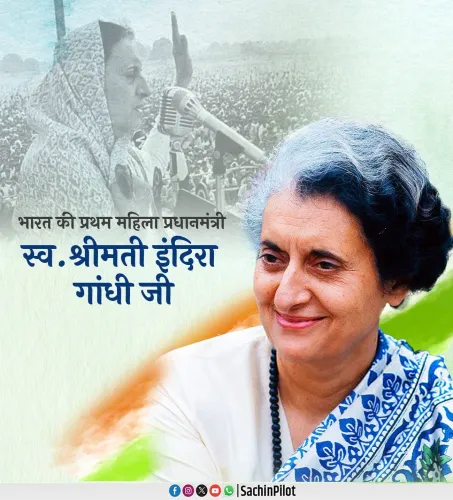
She redrew the map of a subcontinent in a single December, and her shadow still falls across every serious conversation about modern India. Congress MP Dr. Shashi Tharoor marked the birth anniversary of former Prime Minister Indira Gandhi on Thursday, 19 November 2026, with a personal tribute that reached back across five decades of his own encounters with her.
Tharoor's reflection is unusually personal for a commemorative post. He recalls first meeting Gandhi in 1974 as an 18-year-old student, then conducting lengthy interviews with her after her electoral defeat in 1977 for his doctoral research — a remarkable window into a fallen leader's thinking that few politicians of his generation can claim. 'Though I was an outspoken critic of the Emergency,' he writes, 'I retain a deep appreciation of her formidable personality.' That sentence alone does the work of a paragraph: it separates the statesperson from the act, without excusing the act.
December 1971 and the creation of a new nation
The achievement Tharoor singles out above all others is India's decisive military intervention in East Pakistan in December 1971, which led directly to the birth of Bangladesh. It is the moment historians and strategic analysts most consistently cite as the apex of Indira Gandhi's statecraft — a campaign that ended in Pakistan's military surrender in just 13 days of full-scale war, resettling millions of refugees and fundamentally reconfiguring South Asia's geopolitical balance. That victory, authorised and driven by Gandhi's government against considerable international pressure — including a US naval deployment into the Bay of Bengal — remains a benchmark against which Indian foreign-policy decisions are still measured.The Emergency's long shadow over her legacy
Tharoor's acknowledgement of his own criticism of the Emergency is a candid admission that Congress leaders rarely frame so plainly. The Emergency, proclaimed on 25 June 1975, suspended civil liberties, curtailed press freedom, and imprisoned political opponents for nearly two years until March 1977. It ended, famously, in an electoral verdict that threw Gandhi out of power. The contradiction — a leader capable of historic strategic boldness and of serious democratic transgression — is precisely what makes her legacy contested and impossible to flatten.A Congress tradition of honest reckoning
Senior Congress figures have long observed Indira Gandhi's birth anniversary on 19 November with public tributes, but statements that openly name the Emergency as a point of personal dissent are rarer. Tharoor's post reflects a strand within the party that argues the most durable defence of her legacy is an honest one: acknowledge the authoritarian detour, let the 1971 triumph and the force of her personality stand on their own. Whether other party voices strike a similar note — particularly as the winter session of Parliament approaches — will be worth watching. Indira Gandhi was assassinated on 31 October 1984 by her own bodyguards, following the Army's controversial Operation Blue Star at the Golden Temple in Amritsar. The shock Tharoor describes is shared by an entire generation that watched her death trigger one of independent India's worst episodes of communal violence. Her place in the national story, as he writes, remains impossible to ignore — not because every chapter is comfortable, but precisely because it is not.Point of View
Unprompted, that he criticised the Emergency — a move that lends his praise of her 1971 statecraft greater credibility rather than less. The post signals a broader effort within the party to build a historically coherent, rather than hagiographic, case for her legacy. As the Congress navigates questions about its own democratic identity, honest acknowledgement of the Emergency's excesses may paradoxically strengthen rather than weaken its claim to that tradition. The timing — ahead of a parliamentary winter session — also keeps Gandhi's foreign-policy record, particularly the Bangladesh precedent, in public discourse at a moment when South Asian geopolitics is again in flux.
NationPress
19 Nov 2026
Frequently Asked Questions
Why is Indira Gandhi's birth anniversary on 19 November?
Indira Gandhi was born on 19 November 1917 in Allahabad. 19 November is observed annually as her birth anniversary, with Congress leaders and state governments holding commemorative events.
What did Tharoor say about the Emergency in his tribute?
Dr. Tharoor wrote that he 'was an outspoken critic of the Emergency' but still retains deep appreciation for Gandhi's personality and leadership — separating his political dissent from his personal and historical assessment of her.
What is Indira Gandhi's role in the 1971 war?
Indira Gandhi's government authorised India's military intervention in East Pakistan in December 1971 , which resulted in Pakistan's surrender and the creation of Bangladesh — regarded as the most significant foreign-policy success of her tenure.
When was Indira Gandhi assassinated?
Indira Gandhi was assassinated on 31 October 1984 by two of her bodyguards at her residence in New Delhi, following the Army's Operation Blue Star at the Golden Temple in Amritsar.
What was Shashi Tharoor's doctoral research about?
Dr. Tharoor has stated that his doctoral research touched on Indian political leadership; he has recalled interviewing Indira Gandhi after her 1977 electoral defeat as part of that research, though the specific thesis subject is not detailed in his post.