Tamil Nadu forests: 58 water troughs filled in Tiruppur, Erode to curb wildlife straying

Synopsis
With Erode hitting 41°C and natural water bodies drying up, Tamil Nadu's Forest Department is running a 58-location emergency water operation across Tiruppur and Erode forests — using solar borewells, tanker lorries, and special patrol teams — to stop elephants and deer from crossing forest boundaries and triggering human-wildlife conflict.
Key Takeaways
Tamil Nadu Forest Department is supplying water at 58 locations across Tiruppur and Erode forest divisions amid an intense summer drought.
Tiruppur has 40 water trough sites , with 20 running on solar-powered borewells ; trough capacities range from 15,000 to 30,000 litres .
Erode's Thanthai Periyar Wildlife Sanctuary has 18 water supply sites , of which 6 are solar-borewell supported.
Temperatures have reached 41°C in Erode and 38.5°C in Tiruppur — among the highest in the state this season.
Fire lines stretching over 200 kilometres have been established to prevent forest fires during peak summer.
Special teams involving local hill residents are monitoring wildlife movement along forest fringes.
Tamil Nadu's Forest Department has ramped up emergency water provisioning across forest divisions in Tiruppur and Erode districts, filling troughs at 58 locations to prevent wildlife from straying out of forest boundaries amid a severe summer drought. The intervention comes as temperatures in Erode have soared to 41 degrees Celsius — among the highest recorded in the state this season — and 38.5 degrees Celsius in Tiruppur, leaving forest interiors critically parched.
Scale of the Operation
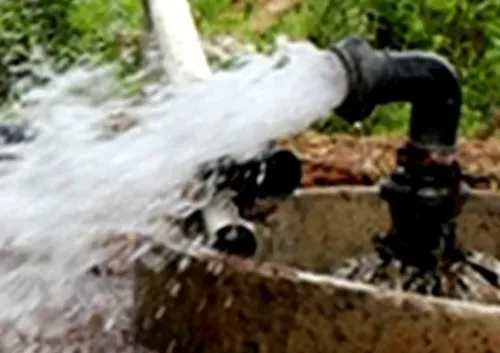
In Tiruppur forest areas, water troughs have been established at 40 locations, of which 20 are equipped with solar-powered borewell systems. These troughs have capacities ranging between 15,000 and 30,000 litres and are replenished daily at solar-borewell sites, while the remaining are filled weekly using tanker lorries. The Erode forest division accounts for the remaining 18 locations, all within the Thanthai Periyar Wildlife Sanctuary, spanning several forest ranges. Of these, six locations are supported by solar-powered borewells, with pipeline facilities also in place for select tanks.
Why Natural Sources Are Failing
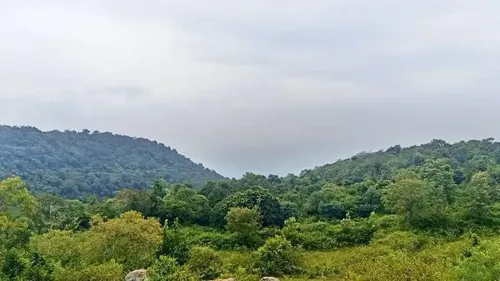
Despite the presence of major water reservoirs such as the Thirumoorthy and Amaravathi dams nearby, forest interiors continue to face acute water scarcity. Officials noted that unlike last year, when timely rainfall ensured adequate greenery and water availability, this season has been marked by persistent dryness that has caused natural water bodies to dry up entirely. The prolonged heatwave has forced authorities to treat this as an emergency rather than a routine seasonal measure.
Protecting Wildlife and Reducing Human-Animal Conflict
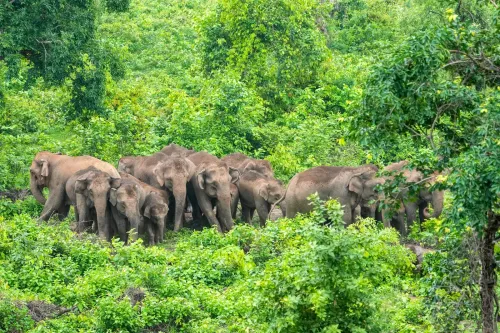
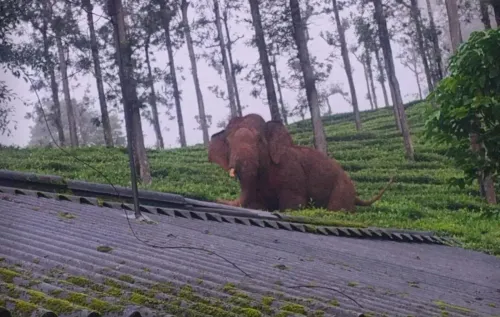
The initiative is specifically aimed at ensuring that wild animals — including elephants and deer — do not venture outside forest boundaries in search of water, thereby reducing the risk of human-wildlife conflict. Special monitoring teams have been formed across forest ranges, involving local hill residents alongside forest personnel. Patrols have been intensified, and wildlife movement along forest fringes is being tracked using modern surveillance methods.
Fire Prevention Measures
Simultaneously, forest authorities have strengthened fire prevention efforts. Invasive vegetation has been cleared across hundreds of hectares, and fire lines stretching over 200 kilometres have been established to reduce the risk of forest fires during peak summer months. Existing natural and man-made water structures — including check dams, percolation ponds, wells, and streams — continue to support wildlife, though officials acknowledge that supplemental measures remain crucial until rainfall resumes.
With no immediate forecast of significant rainfall, forest officials say the water-supply operations will continue to be monitored and scaled as needed through the remainder of the summer.
Point of View
But it underscores a deeper vulnerability: India's forest water infrastructure remains almost entirely dependent on seasonal rainfall, with no long-term drought-resilience design. The fact that major dams like Thirumoorthy and Amaravathi exist nearby yet cannot adequately serve forest interiors points to a critical last-mile connectivity gap. As climate patterns make intense summers more frequent, ad hoc tanker operations and annual emergency scrambles will prove increasingly insufficient — what is needed is a permanent, monitored network of solar-powered water points across ecologically sensitive zones, not just crisis-mode deployment.
NationPress
20 Sept 2026
Frequently Asked Questions
Why is the Tamil Nadu Forest Department filling water troughs in Tiruppur and Erode?
The Forest Department is filling water troughs at 58 locations in Tiruppur and Erode because an intense summer drought and temperatures up to 41°C have dried up natural water bodies in forest areas. The measure aims to prevent wildlife, including elephants and deer, from straying outside forest boundaries in search of water, reducing the risk of human-wildlife conflict.
How many water trough locations are operational in Tiruppur and Erode forests?
A total of 58 locations are operational — 40 in Tiruppur forest areas and 18 within the Thanthai Periyar Wildlife Sanctuary in Erode. Of these, 20 in Tiruppur and 6 in Erode are supported by solar-powered borewells, with the rest filled by tanker lorries or pipelines.
What is the Thanthai Periyar Wildlife Sanctuary?
The Thanthai Periyar Wildlife Sanctuary is a protected forest area in Erode district, Tamil Nadu, named after the social reformer Periyar. It serves as a critical habitat for wildlife and is currently one of the focal areas of the Forest Department's emergency water supply operation.
How are forest officials preventing human-wildlife conflict during the drought?
Forest officials have formed special monitoring teams involving local hill residents and forest personnel, intensified patrols, and are tracking wildlife movement along forest fringes using modern surveillance methods. Providing water within forest boundaries is itself the primary deterrent against animals straying into human settlements.
What fire prevention steps have been taken alongside the water supply operation?
Authorities have cleared invasive vegetation across hundreds of hectares and established fire lines stretching over 200 kilometres to reduce the risk of forest fires during peak summer months. These measures run parallel to the water provisioning effort across Tiruppur and Erode forest divisions.