Has Union Carbide's Toxic Waste Finally Been Incinerated After 41 Years of Bhopal Gas Tragedy?
Click to start listening
Synopsis
After 41 years of the Bhopal Gas Tragedy, a major development has unfolded. The toxic waste from the Union Carbide plant has been incinerated, but challenges remain for the Madhya Pradesh government as they seek solutions for the residual ash. What does this mean for the survivors still fighting for justice?
Key Takeaways
- Significant waste incineration completed.
- Challenges remain with residual ash disposal.
- Survivors continue to fight for justice.
- Madhya Pradesh government faces public scrutiny.
- The legacy of the tragedy endures.
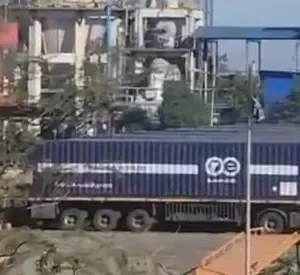
Bhopal, Dec 2 (NationPress) After more than four decades since the catastrophic incident known as the Bhopal Gas Tragedy, a significant step towards remediation occurred when 358 metric tons of hazardous waste from the abandoned Union Carbide facility was finally relocated to Pithampur on January 1 of this year.
Following the transfer of this toxic material, the primary challenge for authorities was to alleviate public concerns about the incineration process, ensuring it would not jeopardize human health, water quality, or the environment.
Under the leadership of Chief Minister Mohan Yadav, the Madhya Pradesh government demonstrated its commitment and successfully addressed the opposition. Consequently, the waste underwent incineration in a series of phases.
However, the government now faces a new dilemma concerning the approximately 900 tons of residual ash produced from the incineration process.
This issue was exacerbated when the Madhya Pradesh High Court dismissed the state’s plan to store the toxic ash in October.
As a result, the 900 metric tons of remaining ash remain stored at a private facility where the toxic waste was treated.
The state is now tasked with determining an effective disposal method for this hazardous ash to resolve the issue permanently.
A senior official with the Bhopal Gas Tragedy and Rehabilitation Department disclosed to IANS that the government is contemplating alternative solutions, which will likely be presented to the High Court for approval in the upcoming weeks.
Meanwhile, survivors of the Bhopal disaster continue to seek justice, with several cases active in the Bhopal District Court and the Supreme Court, including the potential prosecution of Warren Anderson, the former CEO of Union Carbide, who passed away in 2014.
Tragically, the gas leak incident, involving the highly toxic methyl isocyanate, resulted in the deaths of at least 5,479 individuals and left countless others with lifelong disabilities, occurring during the night of December 2-3, 1984.
Point of View
It is crucial to acknowledge the ongoing struggles of the survivors. The recent incineration of toxic waste marks a pivotal moment, yet it underscores the need for a comprehensive solution to the residual challenges. The government must act decisively to restore faith in its commitment to public safety and environmental health.
NationPress
02/12/2025
Frequently Asked Questions
What is the Bhopal Gas Tragedy?
The Bhopal Gas Tragedy refers to a catastrophic gas leak incident that occurred on December 2-3, 1984, at the Union Carbide pesticide plant in Bhopal, India, resulting in thousands of deaths and many more suffering from chronic health conditions.
How much toxic waste has been incinerated?
A total of 358 metric tons of toxic waste from the defunct Union Carbide plant was incinerated earlier this year.
What challenges does the Madhya Pradesh government face now?
The government is currently grappling with the disposal of approximately 900 metric tons of residual ash generated from the incineration process.
What actions are being taken for the survivors?
Survivors continue to seek justice through various legal proceedings, including cases against Union Carbide's former CEO.
What impact did the gas leak have on the community?
The gas leak resulted in at least 5,479 deaths and left thousands with lifelong disabilities and health issues.