Is the US Supporting a Secure Submarine Cable Link Between India and Singapore?
Synopsis
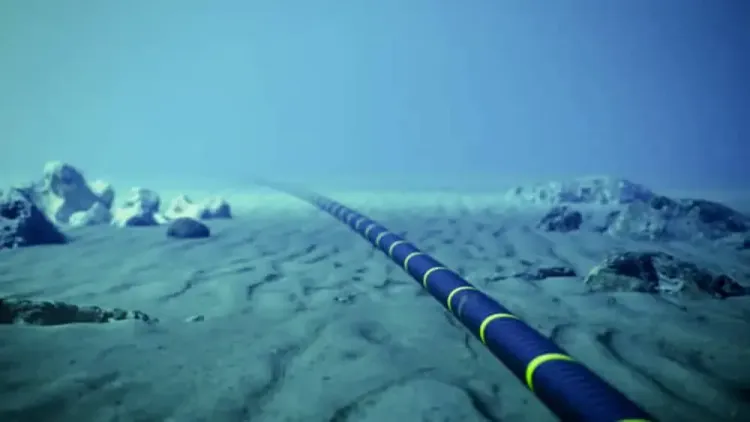
The US Trade and Development Agency is backing a groundbreaking submarine cable project that will connect India with Singapore and Southeast Asia, enhancing digital infrastructure and security. This initiative aims to serve 1.85 billion people and promote economic growth while addressing increasing digital demands. Learn how this project will reshape connectivity in the region.
Key Takeaways
USTDA supports submarine cable linking India and Singapore .
The project aims to serve 1.85 billion people.
It focuses on enhancing capacity for AI and Cloud services .
New data pathways will improve digital access.
Project aims to ensure secure communications infrastructure.
Washington, Jan 21 (NationPress) A U.S. agency has expressed its support for a proposed submarine cable system that will connect India with Singapore and key data hubs in Southeast Asia.
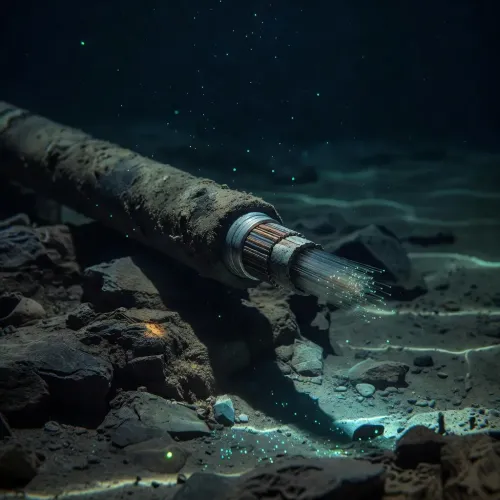
The U.S. Trade and Development Agency (USTDA) announced that it has entered into an agreement with SubConnex Malaysia Sdn. Bhd. to finance a feasibility study for the SCNX3 submarine cable system. This initiative aims to link India with Singapore and various other locations in Southeast Asia, potentially serving around 1.85 billion individuals.
USTDA highlighted that the study is intended to attract investment for the cable network and enhance capacity essential for Artificial Intelligence and Cloud-based services.
The agency further mentioned that the project is crucial for maintaining the reliability and security of international networks while mitigating risks related to cyber threats and foreign interference.
The agreement was formalized at the Pacific Telecommunications Council 26 conference in Honolulu, Hawaii.
According to Thomas R. Hardy, USTDA’s Deputy Director, "Implementing secure, U.S.-manufactured subsea cable technology is vital for safeguarding sensitive data and critical infrastructure against cyberattacks and espionage from abroad." He added that the project aligns with the strategic goals of partners in South and Southeast Asia, reinforcing America’s leadership in the global digital economy.
SubConnex has chosen APTelecom LLC, based in Florida, to conduct the feasibility study. This study will delve into route design, engineering, financial modeling, commercialization planning, and regulatory analysis.
USTDA mentioned that this initiative aims to mobilize private investment while minimizing early-stage risks associated with the SCNX3 cable project. U.S. expertise will be pivotal in shaping the technical and commercial framework of the system.
The planned cable route will connect Chennai in southern India with Singapore, with additional landing points being evaluated in India, Malaysia, Thailand, and Indonesia, as noted by the agency.
USTDA further stated that the construction of this cable could open new avenues for U.S. hardware, software, and service providers to deliver trusted solutions throughout the region.
The SCNX3 submarine cable is designed to tackle the increasing connectivity issues in India and Southeast Asia. USTDA pointed out that the rising demand for digital services, combined with limited route diversity, has rendered existing networks susceptible to outages and security threats.
By creating new and resilient data pathways, the project is expected to enhance digital access and foster the growth of Artificial Intelligence and Cloud services. The agency asserted that the cable would provide a secure and reliable communications infrastructure for governments, businesses, and citizens throughout South and Southeast Asia.
Simon Zettl, CEO of SubConnex, remarked that the initiative would bolster the region’s digital infrastructure.
"SCNX3 is a significant advancement for fortifying the digital infrastructure of South and Southeast Asia," Zettl stated. "By establishing a new, robust, and trusted route between India, Singapore, and essential regional hubs, this system will directly promote economic growth, digital inclusion, and the swift development of Cloud and Artificial Intelligence capabilities across one of the world's most vibrant markets."
Zettl emphasized that USTDA's support would contribute to the project's progress, ensuring the cable is constructed using trusted technology and global best practices.
USTDA highlighted that the feasibility study will advocate for the use of secure cable technology and safeguard data transmissions from harmful foreign influences. This concern is increasingly relevant as undersea cables facilitate the majority of global internet and data traffic.
Point of View
I believe this submarine cable project is a crucial step towards enhancing digital connectivity in South and Southeast Asia. It demonstrates the US's commitment to fostering international partnerships and ensuring secure communications infrastructure in an increasingly digital world.
NationPress
10 Oct 2026
Frequently Asked Questions
What is the SCNX3 submarine cable system?
The SCNX3 submarine cable system is a proposed network designed to link India with Singapore and other Southeast Asian data hubs, aiming to enhance digital connectivity and security.
Who is funding the feasibility study for the cable system?
The feasibility study for the SCNX3 submarine cable system is being funded by the US Trade and Development Agency (USTDA).
What are the expected benefits of this submarine cable?
The submarine cable is expected to improve digital access, support economic growth, and provide secure communications infrastructure for millions of people across South and Southeast Asia.
When was the agreement for this project signed?
The agreement for the SCNX3 submarine cable project was signed at the Pacific Telecommunications Council 26 conference in Honolulu, Hawaii.
What companies are involved in the project?
The project involves SubConnex Malaysia Sdn. Bhd. and APTelecom LLC, which will conduct the feasibility study.