Uttarakhand CM Office: 24th State Badminton Tourney Begins
Synopsis
The 24th State-Level Badminton Competition has kicked off at Kandolia Indoor Stadium in Pauri Garhwal, Uttarakhand, as announced by the Chief Minister's Office on 22 October 2026 — continuing one of the state's longest-running annual sporting traditions at a key hill-district venue.
Key Takeaways
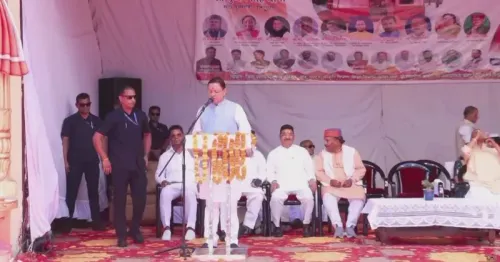
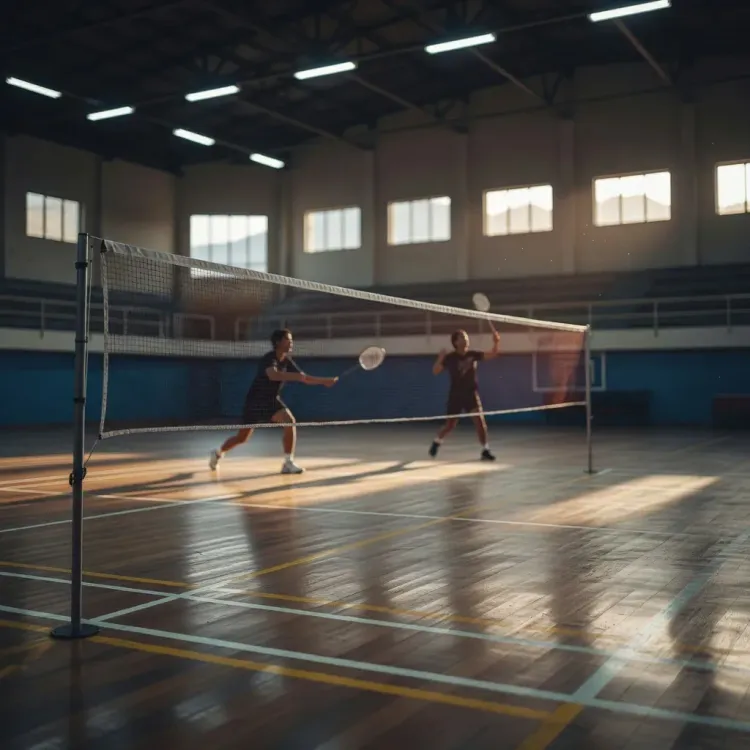
The 24th State-Level Badminton Competition has been inaugurated in Pauri Garhwal, Uttarakhand on 22 October 2026 .
The venue is the Kandolia Indoor Stadium , a covered facility in the Garhwal division of the Himalayas.
The competition was announced by the Chief Minister's Office of Uttarakhand via an official post on X.
Now in its 24th edition , the tournament is one of Uttarakhand's longest-running state-level sporting fixtures.
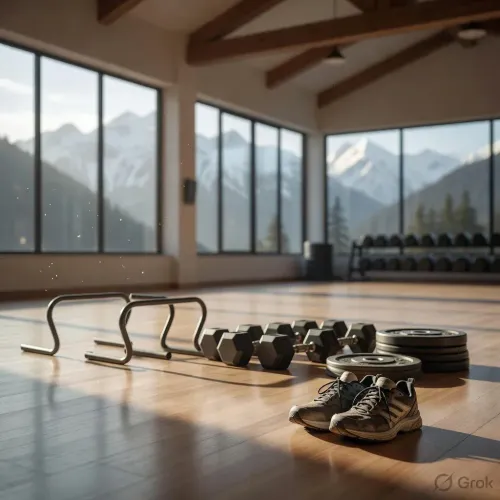
Indoor facilities in hill districts allow year-round competition despite challenging mountain terrain and weather.
State-level circuits serve as a primary talent-scouting pipeline for young badminton players across Uttarakhand's Garhwal and Kumaon regions.
Shuttles are flying in the hills. The Chief Minister's Office of Uttarakhand announced on Thursday, 22 October 2026 that the 24th State-Level Badminton Competition has been inaugurated at the Kandolia Indoor Stadium in Pauri Garhwal, marking another chapter in the state's quiet but steady push to keep sport alive at altitude.
The CMO's post — 'Pauri Garhwal ke Kandolia Indoor Stadium mein hua 24veen Rajyastareey Badminton Pratiyogita ka aagaz' (The 24th State-Level Badminton Competition has commenced at Kandolia Indoor Stadium in Pauri Garhwal) — was brief. The occasion it marks is not.
24 Editions and Counting at Kandolia
Reaching its 24th edition, this annual tournament is one of Uttarakhand's longest-running state-level sporting fixtures. The Kandolia Indoor Stadium in Pauri Garhwal has become the kind of venue hill-district sports infrastructure rarely produces — a covered arena that lets competition run regardless of mountain weather. For young athletes from across the Garhwal and Kumaon divisions, it is a legitimate stage.
Uttarakhand's terrain makes year-round outdoor sport difficult, which is precisely why enclosed, purpose-built facilities in district headquarters carry outsized importance. Pauri Garhwal, tucked into the Garhwal division of the central Himalayas, is not a metropolitan centre — and that is exactly the point. State-level tournaments held here send a signal that competitive sport is not reserved for the plains.
Why Annual State Circuits Matter for Talent Scouting
Across India, state-level sports calendars serve a function that national headlines rarely capture: they are the first filter. A young player from a Himalayan village who wins here gets noticed; coaches, selectors, and sports bodies track these results. Badminton, with its relatively compact court and low equipment cost, has a natural fit for hill communities where space and resources are finite.
Uttarakhand has invested in district-level indoor facilities as part of a broader effort to widen that filter — ensuring the talent pool is not limited to players who can afford to train in Dehradun or travel to state capitals. Whether the 24th edition produces the next generation of state or national-level shuttlers, the infrastructure investment now makes the question worth asking.
The competition is underway. The results will tell their own story.
Point of View
Where sports infrastructure is used as both a development signal and a soft political dividend in under-served constituencies. The longevity of the tournament — 24 editions — also suggests institutional continuity beyond electoral cycles, lending it credibility as a genuine talent pipeline. The broader question is whether results from tournaments like this are systematically fed into state and national selection processes, or remain largely ceremonial.
NationPress
22 Oct 2026
Frequently Asked Questions
Where is the 24th State-Level Badminton Competition being held?
The competition is being held at Kandolia Indoor Stadium in Pauri Garhwal, Uttarakhand.
What is the Kandolia Indoor Stadium in Pauri Garhwal?
Kandolia Indoor Stadium is a covered sports venue in Pauri Garhwal district used for state-level competitions, designed to allow year-round play despite Himalayan weather conditions.
When did the 24th Uttarakhand State Badminton Tournament start?
The tournament was inaugurated on 22 October 2026, as announced by the Chief Minister's Office of Uttarakhand.
Who organised the state-level badminton competition in Uttarakhand?
The competition is a state government-organised annual event; the inauguration was announced by the Chief Minister's Office of Uttarakhand.
Why does Uttarakhand hold indoor badminton tournaments in hill districts?
Uttarakhand's mountainous terrain makes year-round outdoor sport difficult. Indoor facilities in district headquarters like Pauri Garhwal ensure competitions can run regardless of weather and give young hill-district athletes access to competitive platforms.